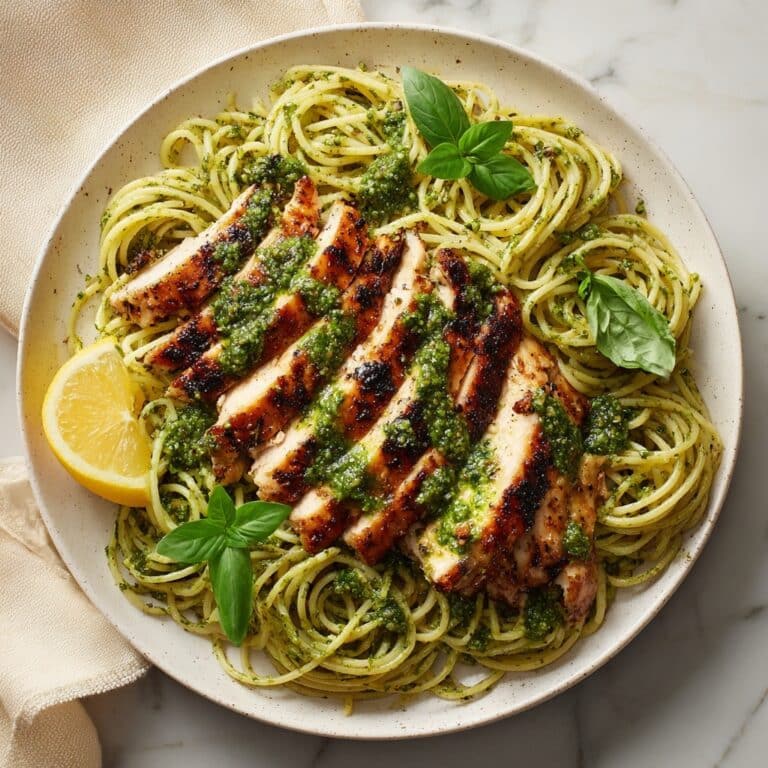

There’s something irresistibly comforting about garlic butter pasta. Whether you’re whipping up a quick dinner or looking to impress guests with minimal effort, this garlic butter pasta recipe guide and tips will become your go-to. You’ll love how simple ingredients combine into a rich, flavorful dish that feels both indulgent and homey.

Making garlic butter pasta isn’t just about following a recipe; it’s about mastering a few techniques that elevate the dish. From perfectly cooked pasta to the golden, fragrant garlic butter sauce, this guide will help you create a dish that’s bursting with flavor every time.
Why You’ll Love This Recipe
- Uses simple pantry staples you probably already have
- Quick to prepare, ready in about 20 minutes
- Rich, buttery sauce with fresh garlic flavor
- Versatile base for adding veggies or proteins
- Comforting and satisfying for any meal
Ingredients
Gather these basic ingredients for the perfect garlic butter pasta. Feel free to customize with your favorite herbs or cheese.
- 12 ounces spaghetti or linguine pasta
- 6 tablespoons unsalted butter
- 4 cloves garlic, minced
- 1/2 teaspoon crushed red pepper flakes (optional)
- 1/4 cup freshly chopped parsley
- 1/2 cup grated Parmesan cheese
- Salt to taste
- Freshly ground black pepper to taste
- 1/2 cup reserved pasta water
Recipe Details
- Prep Time: 5 minutes
- Cook Time: 15 minutes
- Total Time: 20 minutes
- Servings: 4
- Calories: Approximately 450 per serving
How to Make garlic butter pasta Guide and Tips
- Bring a large pot of salted water to a boil and cook the pasta according to package instructions until al dente, typically 8-10 minutes.
- While the pasta cooks, melt the butter in a large skillet over medium heat until it begins to foam and smell nutty, about 2 minutes.
- Add the minced garlic and crushed red pepper flakes, if using, to the melted butter. Cook for 1-2 minutes stirring frequently, until the garlic is fragrant but not browned.
- Drain the pasta, reserving 1/2 cup of the pasta cooking water before discarding the rest.
- Add the cooked pasta to the skillet with the garlic butter. Toss to coat evenly, adding reserved pasta water gradually to create a silky sauce.
- Stir in the chopped parsley and season with salt and freshly ground black pepper to taste.
- Remove from heat and sprinkle the grated Parmesan cheese over the pasta, tossing gently until melted and combined.
- Serve immediately with extra Parmesan and a sprinkle of parsley for garnish.
Tips for the Best Results
- Use fresh garlic for the most vibrant flavor and avoid pre-minced garlic if possible.
- Do not overcook the garlic; it should be golden and fragrant, not burnt.
- Reserve pasta water to adjust sauce consistency and help it cling to the noodles.
- Add fresh parsley last to keep its bright color and fresh herbal notes.
- Use high-quality Parmesan for the best cheesy flavor and meltability.
Storage and Reheating
Store any leftover garlic butter pasta in an airtight container in the refrigerator for up to 3 days. To prevent the pasta from drying out, stir in a splash of water or broth before reheating.
For longer storage, freeze the pasta in a freezer-safe container for up to 1 month. Reheat gently on the stovetop or in the microwave, adding a little butter or water to restore the sauce’s creamy texture.
Frequently Asked Questions
Can I use other types of pasta for this recipe?
Absolutely! While spaghetti or linguine are classic choices, you can use fettuccine, penne, or even gluten-free pasta. Just adjust the cooking time according to the pasta type.
How do I prevent the garlic from burning?
Cook garlic over medium heat and watch it closely. Stir frequently and remove the pan from heat as soon as the garlic turns a light golden color to avoid bitterness.
Can I add protein or vegetables to garlic butter pasta?
Yes, adding cooked chicken, shrimp, or sautéed vegetables like spinach or mushrooms makes this dish even heartier and more nutritious.
Is garlic butter pasta suitable for meal prep?
It can be prepped ahead but is best enjoyed fresh. If meal prepping, store pasta and sauce separately to preserve texture and reheat gently.