
If you are craving a noodle dish that brings together crispy textures and bold, savory flavors in a sizzling stir-fry, this Yakisoba-Style Spaghetti : Crispy, Savory, and Packed with Stir-Fry Flavor Recipe is exactly what you need. It brilliantly combines the comforting familiarity of spaghetti with the vibrant, irresistible taste of Japanese-inspired yakisoba, creating a dish that’s both nostalgic and exciting. From the crunch of lightly stir-fried cabbage and bell peppers to the rich blend of soy, oyster, and Worcestershire sauces, every bite bursts with flavor and texture that will make you want to cook this again and again.

Ingredients You’ll Need
The beauty of this Yakisoba-Style Spaghetti : Crispy, Savory, and Packed with Stir-Fry Flavor Recipe lies in how effortlessly simple yet essential each ingredient is. Every component plays a special role—whether adding crunch, depth, or that savory punch—making this dish a harmonious stir-fry symphony.
- 12 ounces spaghetti: Cooked just to al dente for perfect bite and crisping in the pan.
- 2 tablespoons vegetable oil, divided: Vital for stir-frying and crisping the noodles without sticking.
- 2 cloves garlic, minced: Adds an aromatic base that lifts the whole dish.
- 1 teaspoon fresh ginger, grated: Brings a zesty warmth that brightens flavors.
- 1 small onion, thinly sliced: Provides sweetness and a slight crunch when quickly stir-fried.
- 1 cup green cabbage, shredded: Gives that essential earthy crunch and vibrant color.
- 1 carrot, julienned: Adds natural sweetness and a lovely orange hue.
- 1/2 cup sliced bell pepper: Brings crisp texture and a subtle peppery flavor.
- 2 green onions, sliced: Offers fresh, mild onion notes as a finishing touch.
- 3 tablespoons soy sauce: The salty backbone of the sauce complementing every ingredient.
- 1 tablespoon oyster sauce: Deepens the umami richness, making the dish irresistibly savory.
- 1 tablespoon Worcestershire sauce: Adds complexity with its tangy, slightly sweet profile.
- 1 teaspoon sugar: Balances the salty and savory elements perfectly.
- 1/2 teaspoon sesame oil: A fragrant drizzle that seals all flavors together.
- Black pepper, to taste: Adds a subtle heat and aromatic sharpness.
How to Make Yakisoba-Style Spaghetti : Crispy, Savory, and Packed with Stir-Fry Flavor Recipe
Step 1: Cook the Spaghetti
Begin by boiling your spaghetti in salted water until just al dente—firm to the bite but cooked through. This is key because the noodles will crisp up beautifully in the pan later without becoming mushy. Drain thoroughly and set aside to avoid excess moisture.
Step 2: Crisp the Noodles
Heat 1 tablespoon of vegetable oil over medium-high heat in a large skillet or wok. Add the cooked spaghetti and spread it evenly across the pan. Resist the urge to stir immediately—let it cook undisturbed for 2 to 3 minutes so it gets that coveted crispy texture. Then toss and cook for another 2 minutes to crisp other sections. Remove and set aside.
Step 3: Sauté the Aromatics and Vegetables
Into the same skillet, add the remaining vegetable oil, letting it heat before adding the garlic and ginger. Sauté just until fragrant—around 30 seconds—to build the dish’s aromatic foundation. Then toss in the sliced onion, shredded cabbage, julienned carrot, and bell pepper slices. Stir-fry these for 3 to 4 minutes until vegetables are tender-crisp, maintaining a lively crunch and fresh colors.
Step 4: Combine and Toss with Sauce
Return the crispy spaghetti to the pan with your veggies. In a small bowl, whisk together the soy sauce, oyster sauce, Worcestershire sauce, sugar, sesame oil, and black pepper. Pour this vibrant sauce over the noodles and stir everything energetically until each strand and vegetable is gloriously coated and warmed through. Lastly, fold in the green onions—this finishing touch adds freshness and a subtle bite.
How to Serve Yakisoba-Style Spaghetti : Crispy, Savory, and Packed with Stir-Fry Flavor Recipe
Garnishes
Presentation is half the joy, so consider adding finely sliced red chili for a pop of color and heat, a sprinkle of sesame seeds for nutty crunch, or even a scattering of chopped cilantro for freshness. These simple garnishes elevate the dish both visually and flavor-wise.
Side Dishes
This dish stands tall on its own but pairs beautifully with light sides like a crisp green salad dressed in sesame vinaigrette or a bowl of miso soup to complement the Japanese inspiration. Pickled vegetables or steamed edamame also bring balance and variety to the meal without overwhelming the flavors.
Creative Ways to Present
For a fun twist, plate the Yakisoba-Style Spaghetti : Crispy, Savory, and Packed with Stir-Fry Flavor Recipe in individual mini cast iron skillets, letting each guest enjoy the freshly crispy noodle texture. You might also try wrapping portions in lettuce leaves for a hand-held, refreshing bite or topping the dish with a fried egg for extra indulgence and protein.
Make Ahead and Storage
Storing Leftovers
If you have leftovers, store them in an airtight container in the refrigerator. The noodles will absorb the sauce over time, deepening flavors but softening the crispy texture, so enjoy within 2 days for best quality and taste.
Freezing
Freezing this dish is possible but not ideal because spaghetti can become mushy once thawed and reheated. If you must, freeze in airtight containers with minimal excess sauce to reduce sogginess. Thaw overnight in the fridge before reheating gently.
Reheating
To revive some crispiness when reheating, warm the yakisoba-style spaghetti in a hot skillet with a small drizzle of oil. Stir constantly to avoid sticking and to bring back that beautifully crispy texture. Microwave reheating is faster but will result in softer noodles.
FAQs
Can I use other types of noodles instead of spaghetti?
Absolutely! While spaghetti is a fantastic and accessible choice, you can also use ramen, udon, or soba noodles. Just adjust cooking times and crisping methods accordingly to get the best texture.
How do I make this recipe vegetarian or vegan?
Simply omit any animal-based protein additions and ensure that the oyster sauce is replaced with a vegetarian alternative or additional soy sauce. Everything else stays the same for that savory punch.
What protein pairs well with Yakisoba-Style Spaghetti?
Chicken, shrimp, or tofu are excellent additions. Cook them separately before stir-frying the vegetables and add them back when combining the noodles and sauce for a complete meal.
Is it possible to make this recipe gluten-free?
To make it gluten-free, substitute regular soy sauce with tamari or a gluten-free soy sauce alternative. Make sure other sauces used are gluten-free versions as well. Using gluten-free spaghetti noodles will complete the swap.
How can I make the noodles extra crispy?
Using a very hot pan and spreading the noodles thinly without overcrowding helps. Allow the noodles to cook undisturbed longer before tossing so a golden crust can form. Using less moisture in the noodles also aids crispiness.
Final Thoughts
There is something truly special about the Yakisoba-Style Spaghetti : Crispy, Savory, and Packed with Stir-Fry Flavor Recipe that combines an inviting crunch with layers of deep umami flavor. It’s a dish that impresses without demanding hours in the kitchen, perfect for weeknights or casual dinner parties. Go ahead and give it a try—you might just find your new favorite way to enjoy noodles!
Print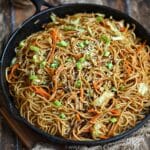
Yakisoba-Style Spaghetti : Crispy, Savory, and Packed with Stir-Fry Flavor Recipe
- Prep Time: 15 minutes
- Cook Time: 15 minutes
- Total Time: 30 minutes
- Yield: 4 servings
- Category: Main Course
- Method: Stir-Fry
- Cuisine: Japanese-Inspired
- Diet: Vegetarian
Description
This Yakisoba-Style Spaghetti recipe delivers a crispy, savory noodle dish inspired by Japanese stir-fry flavors. Combining al dente spaghetti with vibrant vegetables and a tangy, umami-packed sauce, it’s an easy and delicious meal perfect for any weeknight.
Ingredients
Noodles
- 12 ounces spaghetti
- 2 tablespoons vegetable oil, divided
Vegetables & Aromatics
- 2 cloves garlic, minced
- 1 teaspoon fresh ginger, grated
- 1 small onion, thinly sliced
- 1 cup green cabbage, shredded
- 1 carrot, julienned
- 1/2 cup bell pepper, sliced
- 2 green onions, sliced
Sauces & Seasonings
- 3 tablespoons soy sauce
- 1 tablespoon oyster sauce
- 1 tablespoon Worcestershire sauce
- 1 teaspoon sugar
- 1/2 teaspoon sesame oil
- Black pepper, to taste
Instructions
- Cook the Spaghetti: Boil the spaghetti in salted water according to the package instructions until just al dente. Drain the noodles thoroughly and set aside.
- Crisp the Noodles: Heat 1 tablespoon of vegetable oil in a large skillet or wok over medium-high heat. Add the cooked spaghetti to the pan, spreading it evenly. Let it cook undisturbed for 2 to 3 minutes until it becomes lightly crispy on the bottom. Toss the noodles and continue cooking for another 2 minutes to crisp on other sides. Remove the noodles from the pan and set aside.
- Sauté Aromatics and Vegetables: In the same skillet, add the remaining tablespoon of oil. Sauté the minced garlic and grated ginger for about 30 seconds until fragrant. Add the thinly sliced onion, shredded cabbage, julienned carrot, and sliced bell pepper. Stir-fry the vegetables for 3 to 4 minutes until they are slightly tender but still maintain a crisp texture.
- Combine Noodles and Sauce: Return the crispy spaghetti to the skillet with the vegetables. In a small bowl, whisk together soy sauce, oyster sauce, Worcestershire sauce, sugar, sesame oil, and black pepper. Pour this sauce mixture over the noodles and vegetables. Toss everything thoroughly until the noodles are evenly coated and heated through.
- Finish and Serve: Stir in the sliced green onions for fresh color and flavor. Serve the yakisoba-style spaghetti immediately for the best texture and taste.
Notes
- For added protein, include sliced chicken, shrimp, or tofu cooked before the vegetables.
- Adjust the sauce to taste by adding more soy sauce for saltiness or sugar for sweetness.
- Cooking over high heat is essential to achieve the best crispy noodle texture.
- Be careful not to overcook vegetables; they should remain slightly crisp for optimal flavor and texture.