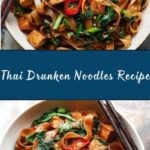
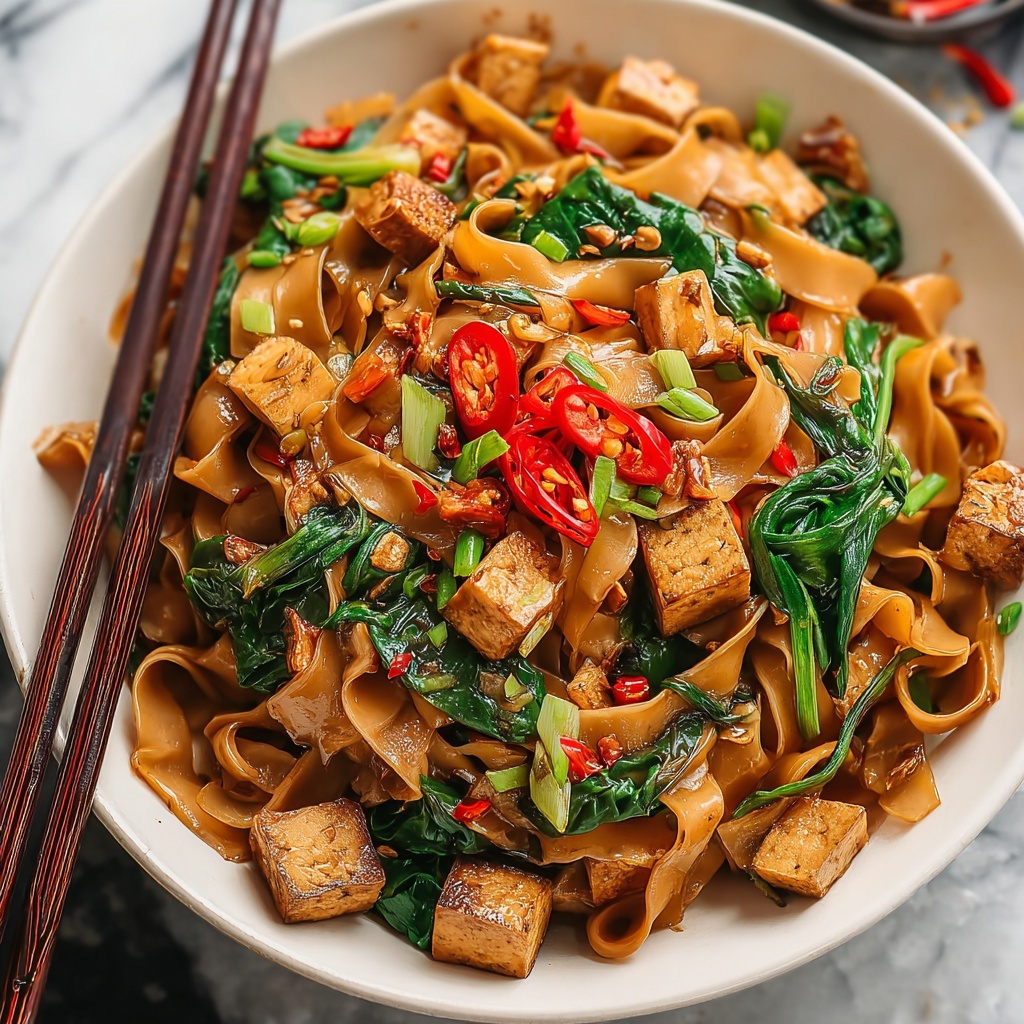
If you’re craving a vibrant, flavor-packed dish that dances on your palate, you absolutely must try this Thai Drunken Noodles Recipe. Bursting with lively chili heat, fragrant Thai basil, and perfectly chewy wide rice noodles, this dish delivers authentic Thai street food vibes right in your own kitchen. Whether you’re a meat lover or a veggie enthusiast, the mix of savory sauces and fresh ingredients come together so beautifully that you’ll want to make this recipe your new go-to for a quick, satisfying meal.

Ingredients You’ll Need
Preparing Thai Drunken Noodles is wonderfully simple, and every ingredient plays a crucial role in building the dish’s signature bold flavors, delightful textures, and colorful appeal. From the spicy chilies to the sweet-salty sauces, these basics are easy to find and bring excitement to your cooking.
- Wide rice noodles (8 oz): Choose fresh or dried wide rice noodles; they absorb sauces beautifully and provide that perfect chewy bite.
- Garlic (3 cloves, minced): Adds a pungent, aromatic base that wakes up the entire dish.
- Thai bird’s eye chilies (2 to 4, chopped): Key for authentic heat, customizable depending on your spice tolerance.
- Bell peppers (1 medium, sliced): Bring a sweet crunch and vibrant color contrast.
- Onion (1 small, sliced): Adds subtle sweetness and texture when sautéed gently.
- Fresh Thai basil leaves (1 cup, packed): The star herb that infuses the noodles with a fresh, fragrant aroma.
- Soy sauce (2 tablespoons): Contributes umami saltiness and enhances all flavors.
- Oyster sauce (1 tablespoon): Offers depth and slight sweetness; swap for vegetarian oyster sauce if preferred.
- Fish sauce (1 teaspoon): A traditional punch of savory complexity to round out the flavor profile.
- Sugar (1 teaspoon): Balances the heat and saltiness with a subtle touch of sweetness.
- Cooking oil (2 to 3 tablespoons): Use vegetable or peanut oil for a neutral but high-heat-friendly base.
- Chicken breast or thigh (8 oz, thinly sliced): Juicy protein option; can be swapped or combined with shrimp or tofu.
- Shrimp (8 oz, peeled and deveined): Adds a sweet briny flavor and delicate texture.
- Firm tofu (8 oz, cubed): Fantastic vegetarian protein absorbing all the wonderful sauces.
How to Make Thai Drunken Noodles Recipe
Step 1: Prepare Noodles and Ingredients
Start by soaking or boiling your wide rice noodles according to the package instructions, aiming for tender but still slightly firm noodles. This texture is key for the final dish to have the right chew without turning mushy. While the noodles are soaking or boiling, chop your garlic, bird’s eye chilies, bell peppers, onion, and Thai basil. Thinly slice your choice of protein so everything will cook quickly and evenly once you’re ready to assemble.
Step 2: Cook Protein
Heat about 1 tablespoon of oil in a wok or large skillet over high heat. Stir-fry your chicken, shrimp, or tofu until it’s cooked through and just starting to get that appealing golden sear. This step locks in flavor and texture. Once cooked, remove the protein from the pan and set it aside to keep warm.
Step 3: Sauté Aromatics and Vegetables
Add a little more oil if needed, then toss in the minced garlic and chopped bird’s eye chilies. Stir everything rapidly for about 30 seconds until you smell that intoxicating fragrant aroma filling your kitchen—this is where the magic begins. Next, add the sliced onions and bell peppers. Stir-fry until the veggies are slightly tender but still have that important crisp bite, making every mouthful exciting.
Step 4: Combine Noodles and Sauce
Return your cooked protein to the wok, tossing it with the vibrant veggies. Drain the noodles and add them to the pan. Now pour in the soy sauce, oyster sauce, fish sauce, and sprinkle the sugar over everything. Stir quickly and thoroughly to coat the noodles, protein, and vegetables in this magnificent sauce blend. Let the noodles soak up the flavors for a minute or two while stirring constantly—this seals in the taste and makes every bite unforgettable.
Step 5: Finish with Fresh Basil
Turn off the heat and gently toss in generous handfuls of fresh Thai basil leaves. The residual warmth will release their essential oils, infusing the entire dish with an explosion of fresh herbal perfume. Give it one final gentle stir and get ready to enjoy your homemade masterpiece.
How to Serve Thai Drunken Noodles Recipe
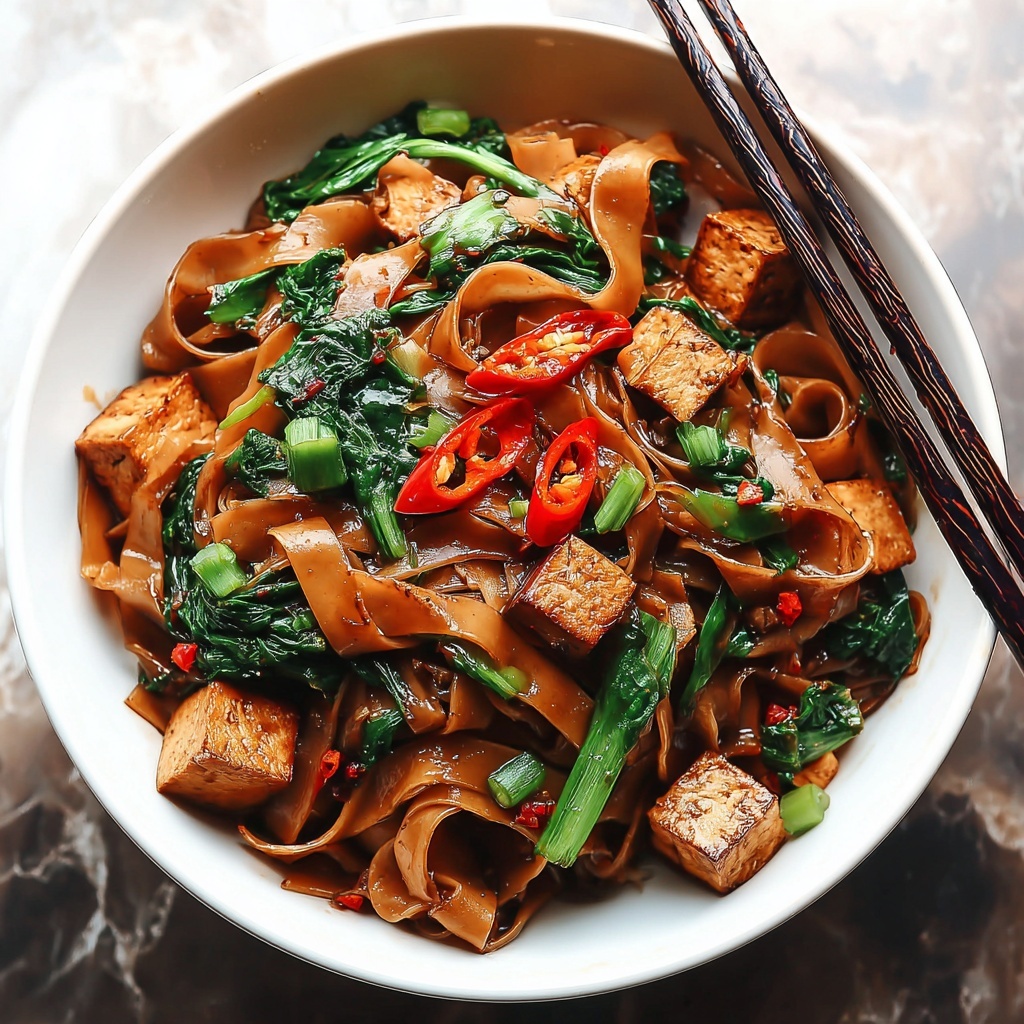
Garnishes
Add a few extra fresh Thai basil leaves on top or sprinkle with chopped green onions for a bright finish. For an extra chili kick, scatter some fresh sliced bird’s eye chilies or a squeeze of lime juice to awaken your tastebuds even more.
Side Dishes
Pair your Thai Drunken Noodles with a light cucumber salad or crunchy spring rolls to complement the rich, spicy flavors. Steamed jasmine rice is optional, but since these noodles are quite filling and saucy, they often star as a main event on their own.
Creative Ways to Present
Serve inside traditional banana leaf cones for a fun, street food-style presentation. You can also top with crushed peanuts or a drizzle of chili oil to add texture and an extra layer of flavor complexity—perfect for impressing guests or indulging yourself.
Make Ahead and Storage
Storing Leftovers
Leftover Thai Drunken Noodles gently reheat well in the fridge for up to 2 days when stored in an airtight container. Keep the basil separate if possible and add fresh before serving to maintain that fresh flavor.
Freezing
While these noodles are best fresh, you can freeze them for up to a month. Make sure to cool completely before placing in a freezer-safe container. Thaw overnight in the fridge to avoid sogginess and stir well when reheating.
Reheating
Reheat leftovers gently in a skillet over medium heat with a splash of water or broth to prevent drying out. Avoid microwaving for best texture, and add fresh basil after warming to revive the bright herbal notes.
FAQs
Can I make this Thai Drunken Noodles Recipe vegetarian?
Absolutely! Simply swap out the chicken and shrimp for firm tofu and use vegetarian oyster sauce instead of traditional oyster sauce. The flavors remain vibrant and the dish just as satisfying.
How spicy are the bird’s eye chilies?
Bird’s eye chilies are quite hot, so feel free to adjust the amount or remove the seeds to tone down the heat based on your preference. You can always add more later if you want it spicier.
Can I use different noodles?
Wide rice noodles are traditional and ideal for their texture and ability to absorb sauce. However, you can experiment with other rice noodles or even flat wheat noodles if needed, though the taste and texture will vary.
Is it necessary to use fish sauce?
Fish sauce adds essential umami depth, but if you’re vegetarian or don’t like the flavor, you can substitute with soy sauce or a mix of soy and a splash of mushroom sauce, which helps mimic that savory richness.
What protein options work best in this recipe?
Chicken, shrimp, and tofu are most common and work beautifully. You can also try thinly sliced beef or pork if you prefer, just adjust cooking times slightly to ensure they’re tender and cooked through.
Final Thoughts
This Thai Drunken Noodles Recipe is a celebration of bold flavors and quick, satisfying cooking. Once you try it, you’ll see why it’s a beloved street food classic that’s so easy to make at home. Don’t hesitate to experiment with your favorite proteins and vegetable combinations to make it uniquely yours. Dive in and enjoy every spicy, aromatic bite—your taste buds will thank you!
Print
Thai Drunken Noodles Recipe
- Prep Time: 10 minutes
- Cook Time: 15 minutes
- Total Time: 25 minutes
- Yield: 2 servings
- Category: Main Course
- Method: Stir-frying
- Cuisine: Thai
Description
A flavorful and spicy Thai Drunken Noodles recipe featuring wide rice noodles stir-fried with garlic, bird’s eye chilies, fresh Thai basil, colorful bell peppers, onion, and your choice of chicken, shrimp, or tofu. This quick and vibrant dish delivers a perfect balance of savory, spicy, and sweet notes with soy sauce, oyster sauce, fish sauce, and a touch of sugar.
Ingredients
Noodles & Protein
- 8 oz (225 g) wide rice noodles, fresh or dried
- 8 oz (225 g) chicken breast or thigh, thinly sliced
- 8 oz (225 g) shrimp, peeled and deveined
- 8 oz (225 g) firm tofu, cubed
Vegetables & Aromatics
- 3 cloves garlic, minced
- 2 to 4 Thai bird’s eye chilies, chopped (adjust to taste)
- 1 medium bell pepper, sliced
- 1 small onion, sliced
- 1 cup packed fresh Thai basil leaves
Sauces & Seasonings
- 2 tablespoons soy sauce
- 1 tablespoon oyster sauce (vegetarian oyster sauce for meat-free version)
- 1 teaspoon fish sauce
- 1 teaspoon sugar
Cooking Oil
- 2 to 3 tablespoons cooking oil (vegetable or peanut oil)
Instructions
- Prepare Noodles and Ingredients: Soak or boil the wide rice noodles according to the package instructions until tender but still firm. Drain and set aside. Meanwhile, chop the garlic, bird’s eye chilies, bell pepper, onion, fresh Thai basil leaves, and your chosen protein (chicken, shrimp, or tofu) for quick assembly.
- Cook Protein: Heat 1 tablespoon of oil in a hot wok or skillet over high heat. Add the sliced chicken, shrimp, or cubed tofu and stir-fry until cooked through and lightly golden. Remove the cooked protein from the pan and set aside.
- Sauté Aromatics and Vegetables: Add another tablespoon of oil if needed to the same pan, then toss in the minced garlic and chopped bird’s eye chilies. Cook for about 30 seconds until fragrant. Add the sliced onion, bell pepper, and any additional vegetables you prefer. Stir-fry until the vegetables are slightly tender but still crisp.
- Combine Noodles and Sauce: Return the cooked protein to the pan with the sautéed vegetables. Add the drained rice noodles and pour in the soy sauce, oyster sauce, fish sauce, and sugar. Stir quickly and thoroughly to coat all ingredients evenly and allow the noodles to absorb the flavorful sauce.
- Finish with Fresh Basil: Turn off the heat and immediately toss in generous handfuls of fresh Thai basil leaves. Stir gently to release their aroma and infuse the dish, then serve the noodles hot for the best flavor experience.
Notes
- Adjust the number of bird’s eye chilies to control the spiciness according to your preference.
- Use fresh wide rice noodles if available for best texture, or soak dried noodles thoroughly before cooking.
- Vegetarian or vegan versions can be prepared by substituting oyster sauce with vegetarian oyster sauce and omitting fish sauce.
- Cooking protein separately helps keep textures distinct and avoids overcooking.
- Serve immediately as the fresh basil flavor is most prominent right after cooking.