
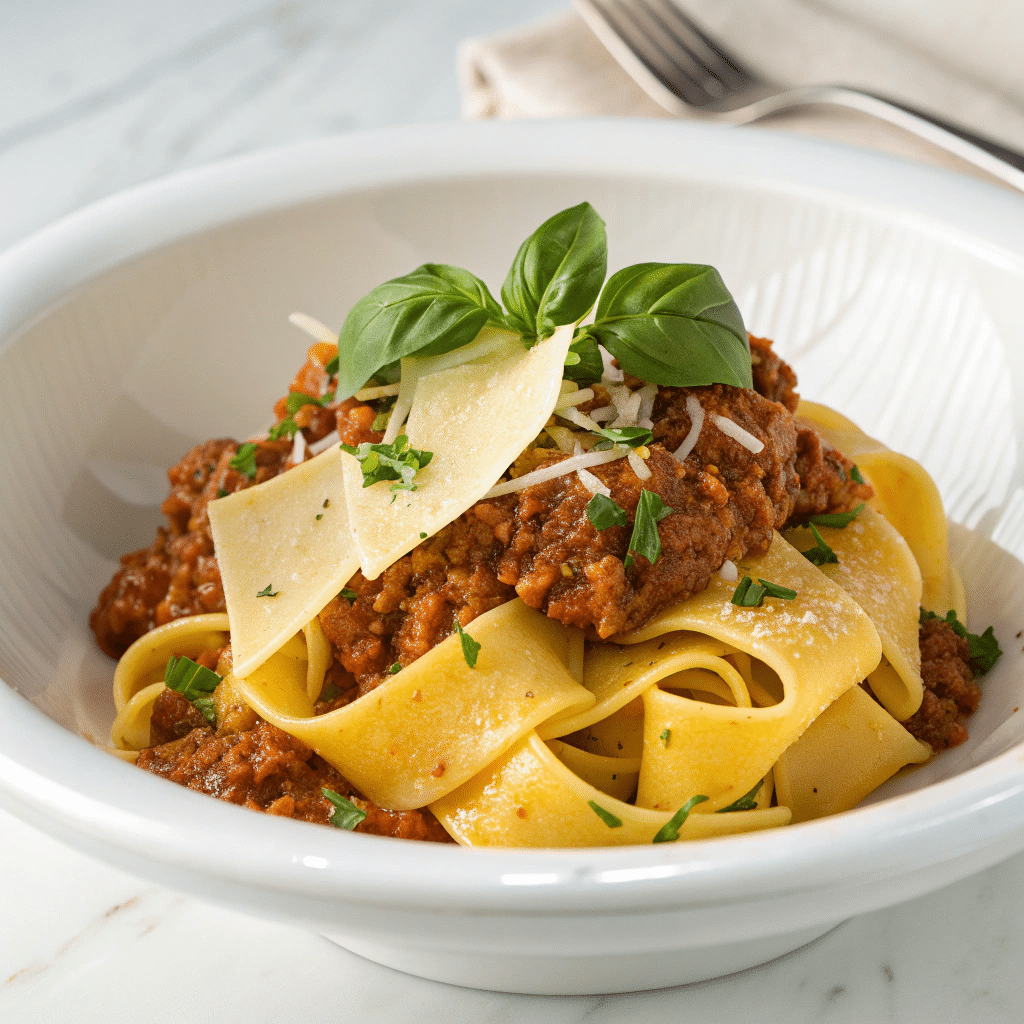
If you’ve been searching for a comforting, hearty dish that feels like a warm hug from the inside, look no further than this Simple Bolognese Recipe. It blends rich, savory ground beef with fresh aromatic vegetables and fresh herbs, simmered slowly to develop a depth of flavor that’s utterly irresistible. Whether you’re cooking for a weeknight family dinner or a casual gathering with friends, this recipe makes every bite a celebration of classic Italian comfort food that’s easy to prepare and endlessly satisfying.

Ingredients You’ll Need
The magic of this Simple Bolognese Recipe lies in its straightforward ingredients, each adding its unique character to the final sauce. From the sweetness of the fresh carrots and celery to the bold freshness of basil and parsley, these essentials build layers of flavor and provide beautiful texture and color.
- Extra-virgin olive oil: The silky base that gently cooks the vegetables and adds richness.
- 1 medium onion, chopped: Provides a subtle sweetness and foundational flavor.
- 2 garlic cloves, minced: Offers that classic aromatic punch that defines Italian cuisine.
- 1 celery stalk, finely chopped: Adds a crisp, herbal note and texture to the sauce.
- 1 carrot, finely chopped: Brings natural sweetness and vibrant color.
- 1 lb ground chuck beef: The hearty protein that makes this Bolognese satisfyingly meaty.
- 1 ½ cups cherry tomatoes, crushed: The fresh tomato base that keeps the sauce bright and tangy.
- ¼ cup flat-leaf Italian parsley, chopped: A fresh, slightly peppery element.
- ¼ cup fresh basil leaves, chopped: Lends its sweet, aromatic fragrance that sings in every bite.
- Salt and freshly ground black pepper, to taste: Essential for bringing all the ingredients together and enhancing flavor.
- ½ cup Pecorino Romano cheese, freshly grated: Adds a sharp, salty finish when sprinkled on top.
- 12 oz pasta (such as pappardelle): Wide noodles that hold onto the rich sauce perfectly.
How to Make Simple Bolognese Recipe
Step 1: Sauté the Aromatics
Start by heating extra-virgin olive oil in a large skillet over medium heat. Add the chopped onion and minced garlic, cooking them gently until they soften and release their delicious aromas, about 8 minutes. This step is critical because it lays the flavor foundation of the sauce, infusing it with sweetness and depth without overpowering the beef.
Step 2: Add Vegetables
Next, stir in the finely chopped celery and carrot. These humble veggies bring complexity and subtle sweetness that balance the acidity of the tomatoes later on. Sautéing them for about 5 minutes softens their edges while keeping a bit of texture, making sure every spoonful has layers of flavor and a slight bite.
Step 3: Cook the Beef
Raise the heat to high and add the ground chuck beef. Cook it thoroughly until no longer pink, breaking up any large chunks with your spatula. This process takes about 10 minutes, and it’s where the meaty richness really starts to develop. Browning the beef properly here ensures a deeply savory flavor that transforms a simple sauce into something truly special.
Step 4: Simmer the Sauce
Now it’s time to bring everything together. Stir in the crushed cherry tomatoes, chopped parsley, and basil leaves. Lower the heat to medium-low and let the sauce gently bubble away for 30 minutes, stirring occasionally. This slow simmer allows the flavors to meld beautifully, mellowing the tomatoes and enriching the beef’s flavor. Don’t forget to season generously with salt and freshly ground black pepper to bring out the best in every ingredient.
Step 5: Cook the Pasta
While your sauce simmers, bring a large pot of salted water to a boil. Drop in your choice of pasta (pappardelle is perfect here), and cook until al dente—tender but still with a little bite. Once ready, drain the pasta and reserve a bit of the cooking water to adjust the sauce consistency later if needed.
Step 6: Combine & Serve
Finally, toss the warm pasta directly into the skillet with your rich, fragrant Bolognese sauce. Give everything a good mix so each strand or ribbon is beautifully coated. Serve it hot, generously topped with freshly grated Pecorino Romano cheese for that salty, tangy kick that takes this Simple Bolognese Recipe to the next level.
How to Serve Simple Bolognese Recipe
Garnishes
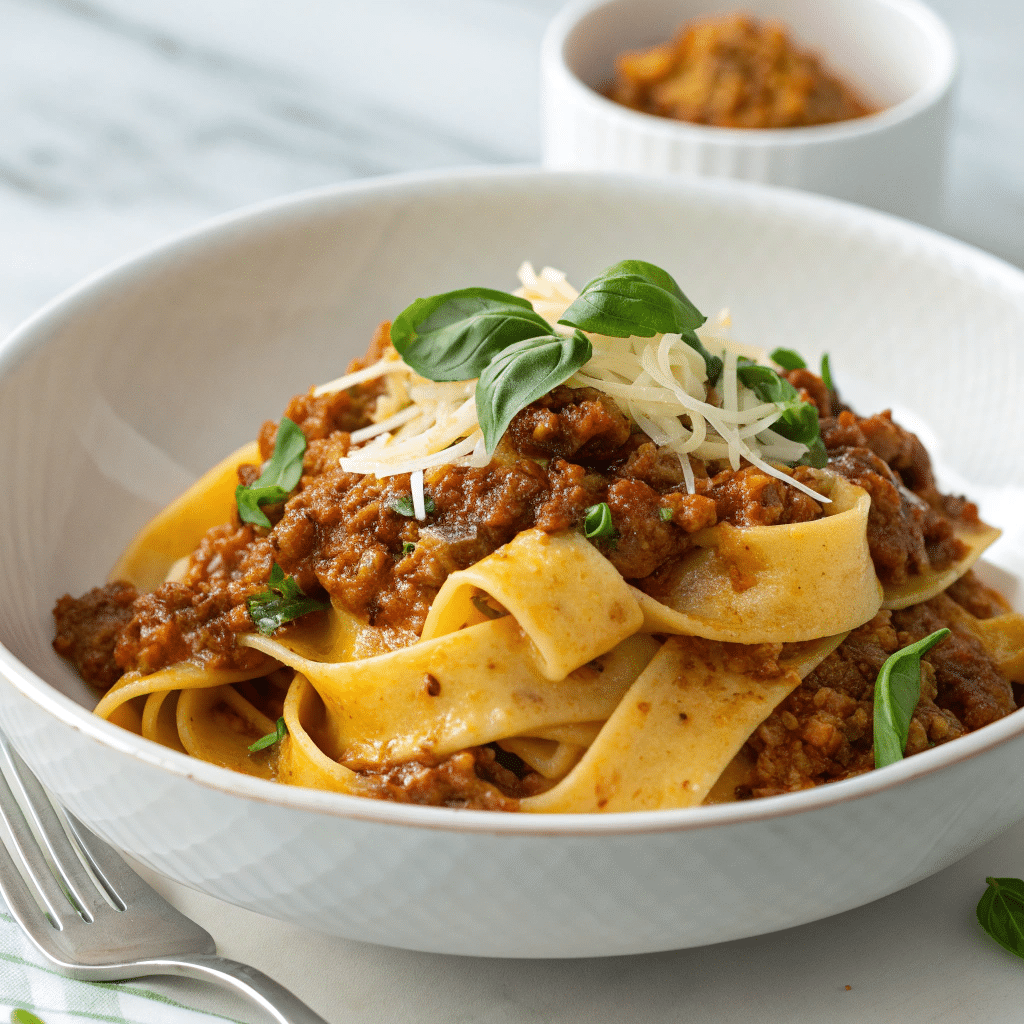
Fresh herbs like a sprig of basil or a sprinkle of chopped parsley add a lovely burst of color and freshness on top, balancing the rich sauce. A drizzle of good quality extra-virgin olive oil or a dusting of extra Pecorino Romano cheese also enhances the presentation and taste.
Side Dishes
Classic sides like garlic bread or a simple green salad dressed with lemon vinaigrette complement the richness of the Bolognese beautifully. Roasted vegetables or sautéed greens can also provide a fresh counterpoint, making the meal feel well-rounded and satisfying.
Creative Ways to Present
For a rustic family-style meal, serve the sauce in a large bowl beside a platter of pasta, allowing everyone to help themselves. Or, for an elegant touch, plate individual servings topped with a fresh basil leaf and a shaving of Pecorino. You could even spoon the Bolognese over creamy polenta for a delightful twist that’s sure to impress.
Make Ahead and Storage
Storing Leftovers
This Simple Bolognese Recipe keeps beautifully in an airtight container in the fridge for up to 3 days. The flavors actually deepen overnight, making leftovers just as delicious as the first serving. Just be sure to cool it completely before refrigerating.
Freezing
If you want to save some for later, this Bolognese freezes wonderfully. Portion it into freezer-safe containers or bags and freeze for up to 3 months. Thaw overnight in the fridge before reheating to maintain the best texture and flavor.
Reheating
When reheating, warm the Bolognese gently on the stovetop over low heat, adding a splash of water or broth if it has thickened too much. Stir frequently to heat evenly and bring back that freshly made taste. Avoid microwaving at high heat as it can dry out the sauce.
FAQs
Can I use a different type of meat in this Simple Bolognese Recipe?
Absolutely! While ground chuck beef offers rich flavor, ground pork, veal, or a mix of meats can also work well. Just adjust the cooking times as needed to ensure thorough cooking and the perfect texture.
Is it necessary to use fresh herbs in this recipe?
Fresh herbs really elevate the flavor profile, giving the sauce brightness and freshness. However, if you only have dried herbs on hand, you can substitute, but use them sparingly since dried herbs are more concentrated.
What pasta shapes work best with Bolognese sauce?
Pappardelle is traditional and excellent because its wide ribbons hold the sauce well. Tagliatelle, fettuccine, or even rigatoni are wonderful alternatives that catch and complement the thick sauce beautifully.
Can I make this recipe vegetarian?
You can! Substitute the ground beef with lentils, mushrooms, or a plant-based meat alternative for a satisfying vegetarian Bolognese. Adjust the cooking times to ensure everything is cooked through and flavors meld perfectly.
How long can I let the sauce simmer for the best flavor?
While 30 minutes is ideal for this Simple Bolognese Recipe, you can let it simmer for up to an hour if you have time. The flavors deepen and meld even more the longer it cooks, but be sure to stir occasionally and add a splash of water if it gets too thick.
Final Thoughts
This Simple Bolognese Recipe is one of those timeless dishes that never fails to bring comfort and joy to the table. With its straightforward ingredients and heartwarming flavors, it’s perfect for both busy weeknights and leisurely weekend cooking. I can’t wait for you to try it and see just how effortlessly you can create something so delicious that feels like it took hours in the kitchen. Happy cooking!
Print
Simple Bolognese Recipe
- Prep Time: 10 minutes
- Cook Time: 45 minutes
- Total Time: 55 minutes
- Yield: 6 servings
- Category: Main Dish
- Method: Stovetop
- Cuisine: Italian
Description
A classic, hearty Simple Bolognese sauce made with ground beef, fresh vegetables, and herbs, simmered to perfection and served over tender pasta. This recipe highlights rich flavors with a fresh touch of basil and parsley, finished with Pecorino Romano cheese for an authentic Italian experience.
Ingredients
Aromatics and Vegetables
- Extra-virgin olive oil – 2 tablespoons
- 1 medium onion, chopped
- 2 garlic cloves, minced
- 1 celery stalk, finely chopped
- 1 carrot, finely chopped
Meat and Sauce
- 1 lb ground chuck beef
- 1 ½ cups cherry tomatoes, crushed
- ¼ cup flat-leaf Italian parsley, chopped
- ¼ cup fresh basil leaves, chopped
- Salt and freshly ground black pepper, to taste
Pasta and Cheese
- 12 oz pasta (such as pappardelle)
- ½ cup Pecorino Romano cheese, freshly grated
Instructions
- Sauté the Aromatics: Heat olive oil in a large skillet over medium heat. Add the chopped onion and minced garlic, cooking until soft and translucent, about 8 minutes.
- Add Vegetables: Stir in the finely chopped celery and carrot, continuing to sauté for another 5 minutes until tender.
- Cook the Beef: Increase the heat to high, add the ground chuck beef, and cook until it is no longer pink, breaking up any large pieces with a spoon. This should take about 10 minutes.
- Simmer the Sauce: Stir in the crushed cherry tomatoes, chopped parsley, and basil. Reduce the heat to medium-low, allowing the sauce to simmer uncovered for 30 minutes. Stir occasionally and season with salt and freshly ground black pepper to taste.
- Cook the Pasta: While the sauce simmers, bring a large pot of salted water to a boil. Add the pasta and cook until al dente according to package instructions (about 8-10 minutes). Drain well.
- Combine & Serve: Toss the cooked pasta with the Bolognese sauce to coat evenly. Plate and top each serving with freshly grated Pecorino Romano cheese. Serve immediately.
Notes
- For a richer flavor, use ground chuck beef with some fat content (around 80/20).
- Fresh herbs enhance the taste; however, dried herbs can be used if fresh are unavailable (reduce quantity by half).
- Simmering the sauce slowly enhances the depth of flavor and tenderizes the meat.
- You can substitute pappardelle with other broad pasta types like fettuccine or tagliatelle.
- Leftover sauce pairs well with baked dishes or as a filling for lasagna.