
If you’ve ever dreamed of capturing the magic of a Parisian café right in your own kitchen, look no further than the Royal Bakery Box Beignet: French-Inspired Sweet Recipe. This delightful treat marries the fluffy, airy texture of classic beignets with a sweet dusting of powdered sugar that melts perfectly on your tongue. It’s the kind of recipe that effortlessly transforms an ordinary day into a celebration, enveloping your home with warm, inviting aromas and promising bites of buttery, yeast-leavened joy. Whether you’re sharing with friends or indulging solo, these beignets are bound to become a cherished favorite.

Ingredients You’ll Need
Don’t let the seemingly modest list fool you—each ingredient in this Royal Bakery Box Beignet: French-Inspired Sweet Recipe plays a critical role in creating that iconic light texture and flawless flavor. From the active yeast that creates those dreamy air pockets to the warm milk that adds tenderness, every component contributes to making these beignets irresistible.
- 2 ¼ teaspoons (1 packet) active dry yeast: This is the magical leavening agent, ensuring your beignets puff up perfectly.
- ¾ cup warm water (about 110°F or 45°C): Warm but not hot, this water activates the yeast without killing it.
- ¼ cup granulated sugar: Adds subtle sweetness to balance the dough and feed the yeast.
- ½ teaspoon salt: Enhances all the flavors, cutting through the richness of the butter.
- 1 egg: Contributes to the dough’s structure and color.
- ½ cup whole milk (warm): Adds moisture and tenderness, making the dough soft and pliable.
- 3 ½ cups all-purpose flour: The foundation providing gluten for structure and chewiness.
- 2 tablespoons unsalted butter, softened: Brings richness and a silky crumb to the beignets.
- Oil for frying (vegetable or canola): Neutral oils are perfect for achieving that golden, crispy crust.
- Powdered sugar for dusting: The classic finishing touch that adds sweetness and charm.
How to Make Royal Bakery Box Beignet: French-Inspired Sweet Recipe
Step 1: Activate the Yeast
Start by mixing the warm water, yeast, and granulated sugar in a large bowl. Let this aromatic mixture sit for 5 to 10 minutes, during which the yeast will start to foam and bubble—your signal that it’s alive and kicking. This step is essential to get that airy, perfectly risen dough that defines these beignets.
Step 2: Make the Dough
Next, add the warm milk, egg, salt, and softened butter to the yeast mixture. Gradually stir in the flour until everything starts coming together into a soft dough. Kneading is where the magic deepens; either by hand or with a mixer, knead for about 5 to 8 minutes until the dough feels smooth and elastic. This process develops the gluten, giving your beignets that wonderful chew while keeping them tender.
Step 3: Let It Rise
Place your dough into a lightly oiled bowl, covering it with a towel or plastic wrap. Find a warm, cozy spot—this is where your dough will double in size over the course of 1 to 2 hours. This rise builds volume and lightness, so be patient and allow those flavors and textures to develop beautifully.
Step 4: Roll and Cut
Once your dough has risen, give it a gentle punch down to release any large air bubbles, then roll it out on a floured surface to about ¼ inch thickness. Use a sharp knife or a dough cutter to snip the dough into 2-to-3-inch squares. These bite-sized pieces will become your perfect golden beignets.
Step 5: Heat the Oil
Fill a deep pan with vegetable or canola oil and heat it to 350°F (175°C). Maintaining this precise temperature is key to getting the beignets crispy on the outside and light on the inside. Fry a few at a time for about 1 minute per side, taking care not to overcrowd the pan, or they won’t fry evenly.
Step 6: Drain and Dust
Once golden brown, transfer the beignets to a paper towel-lined plate to drain off excess oil. As soon as they’ve cooled just enough to handle, dust them generously with powdered sugar. That classic snow-white finish is not just beautiful—it adds the perfect sweet touch to each pillowy bite.
How to Serve Royal Bakery Box Beignet: French-Inspired Sweet Recipe
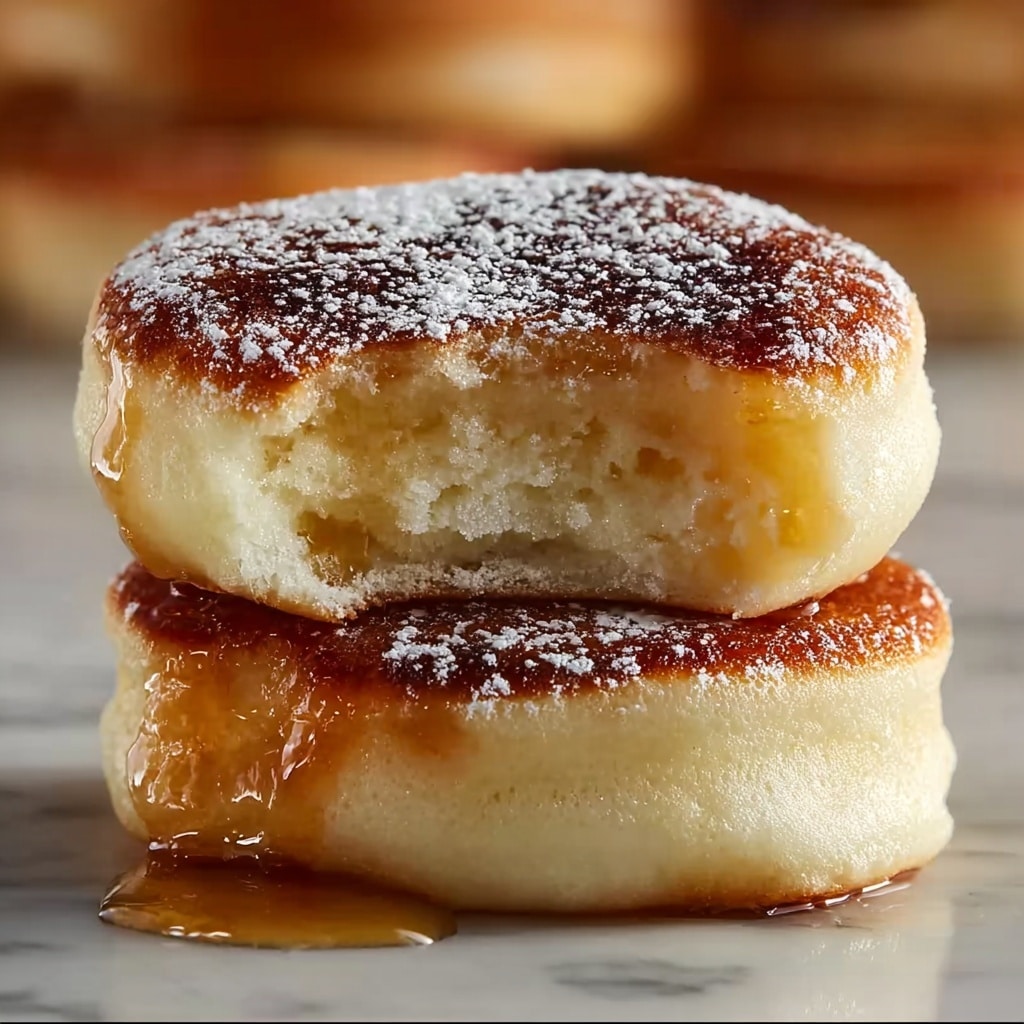
Garnishes
To elevate your Royal Bakery Box Beignet: French-Inspired Sweet Recipe even further, think beyond powdered sugar. Fresh fruit like berries or a drizzle of rich chocolate or caramel sauce adds flair and flavor. A sprinkle of cinnamon or a dollop of whipped cream can make each bite feel like a luxurious treat.
Side Dishes
These beignets pair wonderfully with a steaming cup of café au lait or your favorite hot chocolate for a quintessential French café experience. Serve alongside fresh fruit or a simple fruit compote to balance the richness with a burst of freshness. It’s a breakfast, brunch, or dessert spread that feels indulgent yet approachable.
Creative Ways to Present
Presentation is half the fun! Arrange your beignets in a rustic basket lined with a colorful napkin, dust them tableside, or stack them high on a tiered cake stand. If you’re hosting, a “beignet bar” with a selection of powdered sugars, dipping sauces, and fresh fruit can make eating these even more interactive and delightful.
Make Ahead and Storage
Storing Leftovers
If you find yourself with extras (which is quite likely, because these beignets are hard to resist), store them in an airtight container at room temperature for up to two days. They will stay soft but may lose some of that crispy fried exterior charm over time.
Freezing
Freezing is a great option for keeping your delicious Royal Bakery Box Beignet: French-Inspired Sweet Recipe fresh longer. Freeze them in a single layer on a baking sheet until firm, then transfer to an airtight bag or container. They’ll keep well in the freezer for up to a month.
Reheating
To enjoy leftovers as close to fresh as possible, reheat frozen or stored beignets in a toaster oven or regular oven at 350°F (175°C) for about 5 to 7 minutes. Avoid the microwave if you want to keep the crispy exterior intact. Once warmed, give them a fresh dusting of powdered sugar and dig in!
FAQs
Can I use instant yeast instead of active dry yeast?
Absolutely! Instant yeast can speed up the rising process. Just mix it directly with the flour, but you may want to reduce the rising time slightly since it acts faster than active dry yeast.
Why are my beignets dense instead of airy?
This usually happens if the yeast wasn’t fully activated or if the dough didn’t rise enough. Make sure your water temperature is warm but not hot, and give the dough enough time to double in size before frying.
Can I bake beignets instead of frying them?
While traditional beignets are fried to get that signature crispy crust, you can bake them for a slightly different but still tasty result. Brush with melted butter before baking at 375°F (190°C) until golden, then dust with powdered sugar.
Is it okay to use all-purpose flour for this recipe?
Yes, all-purpose flour works perfectly here. It provides just the right balance of protein for structure without making the beignets too tough.
How do I know when the oil is the right temperature?
If you don’t have a thermometer, drop a small piece of dough into the oil. It should sizzle and float to the top within a few seconds. Too fast and the oil may be too hot; slow bubbling means more heat is needed.
Final Thoughts
There’s something truly special about making the Royal Bakery Box Beignet: French-Inspired Sweet Recipe from scratch. It’s a recipe that brings little bursts of French sweetness and comfort into your kitchen with each fluffy, sugar-dusted bite. This recipe is inviting, achievable, and endlessly rewarding—so go ahead and whip up a batch for your next breakfast or dessert gathering. You won’t regret the joyous smiles it inspires.
Print
Royal Bakery Box Beignet: French-Inspired Sweet Recipe
- Prep Time: 20 minutes
- Cook Time: 15 minutes
- Total Time: 35 minutes
- Yield: Approximately 20-24 beignets
- Category: Dessert
- Method: Frying
- Cuisine: French
Description
This Royal Bakery Box Beignet recipe offers a delightful French-inspired sweet treat featuring light, airy fried dough dusted generously with powdered sugar. Perfect for breakfast or dessert, these beignets combine a soft and fluffy interior with a crisp, golden exterior, made from a yeast-leavened dough and fried to perfection.
Ingredients
Yeast Mixture
- 2 ¼ teaspoons (1 packet) active dry yeast
- ¾ cup warm water (about 110°F or 45°C)
- ¼ cup granulated sugar
Dough
- ½ teaspoon salt
- 1 egg
- ½ cup whole milk (warm)
- 3 ½ cups all-purpose flour
- 2 tablespoons unsalted butter, softened
Frying & Finishing
- Oil for frying (vegetable or canola)
- Powdered sugar for dusting
Instructions
- Activate the Yeast: In a large bowl, combine the warm water, active dry yeast, and granulated sugar. Stir gently and let the mixture sit for 5–10 minutes until it becomes foamy, indicating that the yeast is active.
- Make the Dough: Add the warm milk, egg, salt, and softened butter to the yeast mixture. Gradually add the all-purpose flour while mixing until the dough begins to come together. Knead the dough by hand for about 5–8 minutes or use a mixer with a dough hook for 3–5 minutes, until the dough is smooth and elastic.
- Let It Rise: Lightly oil a large bowl and place the dough inside, covering it with a towel or plastic wrap. Leave it to rise in a warm spot for 1–2 hours, or until the dough has doubled in size.
- Roll and Cut: Punch down the risen dough to release the air. On a floured surface, roll the dough out to about ¼ inch thickness. Using a sharp knife or dough cutter, cut the dough into 2–3 inch squares.
- Heat Oil: Pour oil into a deep pan and heat it to 350°F (175°C). Carefully fry a few beignets at a time, cooking them until golden brown on each side, about 1 minute per side.
- Drain and Dust: Use a slotted spoon to transfer the fried beignets onto a paper towel-lined plate to drain excess oil. Once slightly cooled, dust generously with powdered sugar and serve warm.
Notes
- Ensure the water and milk are warm but not hot to avoid killing the yeast.
- Be careful not to overcrowd the pan while frying to maintain oil temperature.
- Serve beignets immediately after dusting with powdered sugar for best taste and texture.
- You can substitute vegetable oil with canola oil or peanut oil for frying.
- Beignet dough can be made ahead and refrigerated; let it come to room temperature before rolling and frying.