

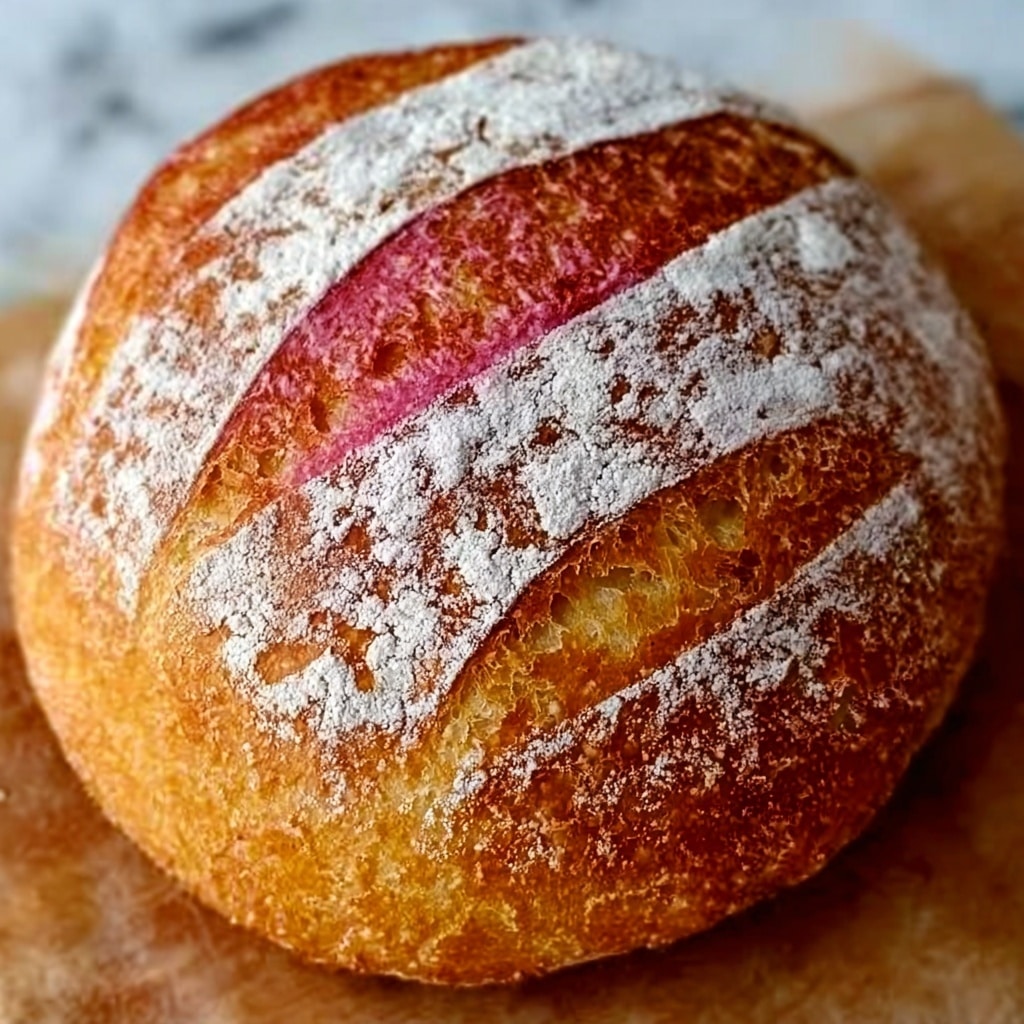
If you’ve been searching for a show-stopping loaf that’s as vibrant as it is delicious, look no further than this Pink Dragon Fruit Sourdough Bread Recipe. It beautifully combines the timeless tang of sourdough with the naturally stunning and subtly sweet flavor of dragon fruit powder, resulting in bread that’s not only a feast for the eyes but also a delightful treat for your taste buds. Whether you’re a seasoned bread baker or just dipping your toes into sourdough, this recipe brings a magical pink hue to your kitchen and your plate with every bite.

Ingredients You’ll Need
Making the Pink Dragon Fruit Sourdough Bread Recipe is wonderfully straightforward because each ingredient plays a crucial role in creating the perfect loaf. From the tangy sourdough starter that provides flavor and lift, to the dragon fruit powder that adds both stunning color and a whisper of sweetness, these essentials come together to make magic happen.
- 500 grams bread flour: This gives your bread the structure and chewiness that sourdough lovers crave.
- 12 grams salt: Salt enhances flavor while controlling yeast activity for the perfect rise.
- 350 grams water: Vital for hydrating the flour and encouraging gluten development.
- 100 grams active sourdough starter: The heart of fermentation, packed with natural yeast and bacteria to create that signature sourdough tang.
- 2 tablespoons dragon fruit powder: This natural powder infuses the dough with a gorgeous pink color and a subtle fruity note that’s simply unforgettable.
How to Make Pink Dragon Fruit Sourdough Bread Recipe
Step 1: Prepare Your Starter
Begin by feeding your sourdough starter the night before you plan to bake. This ensures it’s lively, bubbly, and ready to work its magic in your dough. An active starter is essential for a great rise and flavor development.
Step 2: Mix Dry Ingredients
In a large bowl, whisk together the bread flour, salt, and pink dragon fruit powder until everything is evenly blended. This creates a colorful base that will infuse through every crumb of your loaf.
Step 3: Combine Wet Ingredients
In another bowl, whisk the water with your active sourdough starter, then pour the wet mixture into the dry ingredients. Stir with a spatula until you form a rough, shaggy ball of dough, making sure all flour is hydrated.
Step 4: Rest the Dough
Cover the bowl and let the dough rest for 30 minutes. This autolyse period helps the flour absorb moisture fully and jumpstarts gluten development for a better texture.
Step 5: The First Stretch and Fold
Stretch and fold the dough by pulling one side up about six inches and folding it over the main ball. Rotate the bowl a quarter turn and repeat until you’ve come full circle. This technique strengthens the gluten network without harsh kneading.
Step 6: Additional Rests and Folds
Cover the dough and let it rest for 20 to 30 minutes before repeating the stretch and fold process two more times, each spaced out by 20 to 30 minutes. These intervals build strength and structure for that perfect spring in your loaf.
Step 7: Bulk Fermentation
After your final fold, cover the dough and allow it to rise at room temperature for 5 to 7 hours or until it has increased in size by about 50 percent. This slow fermentation deepens flavor and ensures a beautiful open crumb.
Step 8: Pre-shaping and Creating Tension
Turn your fermented dough out onto a floured surface and fold each side into the center, then flip it over gently. Next, spin the dough clockwise to build tension on the surface, which helps your loaf hold its shape during the bake.
Step 9: Final Proof and Chill
Transfer your dough into a banneton basket and refrigerate it for 1 hour. This post-proof chill helps develop flavor and makes scoring easier.
Step 10: Scoring and Baking
Preheat your oven to 425 degrees Fahrenheit. Place the dough on parchment paper, dust it with rice flour for a professional look, and score the surface with a razor to allow controlled expansion. Place the dough in a Dutch oven and bake with the lid on for 25 minutes, then remove the lid and bake for another 22 to 25 minutes until the crust turns lightly browned and irresistibly crisp.
Step 11: Cooling
Once baked, let your Pink Dragon Fruit Sourdough Bread cool for 1 to 2 hours before slicing. Patience here pays off, as cooling sets the crumb and intensifies the flavors.
How to Serve Pink Dragon Fruit Sourdough Bread Recipe
Garnishes
Sprinkle your slices with a touch of flaky sea salt or a drizzle of honey to accentuate the sweet fruitiness from the dragon fruit powder. You could also add a soft spread of cultured butter for the ultimate indulgence.
Side Dishes
This vibrant bread pairs beautifully with fresh cheeses like ricotta or goat cheese, bright fruit jams, or even avocado smash with a sprinkle of chili flakes. It’s versatility makes it perfect whether you’re enjoying breakfast, lunch, or a casual snack.
Creative Ways to Present
Serve this beautiful loaf on a rustic wooden board surrounded by colorful fresh berries and edible flowers for a stunning centerpiece. Toast thick slices and top with smashed chickpeas, lemon zest, and microgreens for a trendy snack that wows visually and flavor-wise.
Make Ahead and Storage
Storing Leftovers
Store your Pink Dragon Fruit Sourdough Bread in a paper bag or bread box at room temperature for up to 2 days to maintain the perfect crust texture while keeping the inside moist and tender.
Freezing
If you want to keep this stunning bread longer, slice and freeze it in an airtight bag for up to 3 months. This way, you can enjoy fresh-tasting slices anytime with minimal effort.
Reheating
To revive frozen or stale slices, toast them lightly or warm them in a preheated oven at 350 degrees Fahrenheit for 5 to 7 minutes. This brings back the crisp crust and soft crumb, making it as delightful as when freshly baked.
FAQs
Can I use fresh dragon fruit instead of dragon fruit powder?
While fresh dragon fruit is delicious, it contains a lot of moisture which can alter your dough’s hydration and texture. Dragon fruit powder offers concentrated flavor and vibrant color without affecting dough consistency, making it ideal for this recipe.
How do I know if my sourdough starter is ready to use?
Your starter should be bubbly, active, and have a pleasant tangy aroma. A simple test is to drop a spoonful of starter into water; if it floats, it’s ready for baking!
Can I make this bread without a Dutch oven?
Yes, you can bake on a preheated baking stone or heavy baking sheet. To mimic the steam environment, place a tray of hot water in the oven or mist the oven walls with water right after loading the dough to help develop a crispy crust.
Why does the dough need multiple stretch and folds?
Stretch and folds develop the gluten structure gently without heavy kneading, resulting in an airy crumb with a nice chew. It also helps distribute the ingredients evenly, especially the dragon fruit powder for uniform color.
How pink will the bread be after baking?
The dragon fruit powder gives the dough a beautiful, vibrant pink hue that softens slightly during baking but still remains visually stunning, making every slice a colorful and tempting treat.
Final Thoughts
Baking the Pink Dragon Fruit Sourdough Bread Recipe is more than just making bread – it’s an opportunity to brighten your kitchen and your day with a loaf that’s as exciting to look at as it is to eat. Give this recipe a go, share it with friends, and watch as this vibrant bread becomes one of your favorite homemade treasures.
Print
Pink Dragon Fruit Sourdough Bread Recipe
- Prep Time: 1 hour 30 minutes (including starter feeding the night before and resting times)
- Cook Time: 47 minutes
- Total Time: 8 hours (including bulk fermentation and cold proofing)
- Yield: 1 loaf (approximately 750-800 grams)
- Category: Bread
- Method: Baking
- Cuisine: Western
- Diet: Vegetarian
Description
This vibrant Pink Sourdough Bread uses dragon fruit powder to create a naturally stunning pink hue combined with the classic tangy flavor of sourdough. With a slow fermentation process and multiple stretch-and-fold steps, this bread achieves a chewy crust and open crumb. Baked in a Dutch oven, it develops a perfect golden brown crust and is perfect for sandwiches or toasting.
Ingredients
Dry Ingredients
- 2 tbsp dragon fruit powder
- 500 grams bread flour
- 12 grams salt
Wet Ingredients
- 350 grams water
- 100 grams active sourdough starter
Instructions
- Feed the starter: Feed your sourdough starter the night before starting this recipe to ensure it is active and bubbly for optimal fermentation.
- Mix dry ingredients: In a large bowl, whisk together the bread flour, salt, and dragon fruit powder until evenly combined and vibrant pink in color.
- Combine wet ingredients: In a separate bowl, whisk together the water and active sourdough starter until blended smoothly.
- Form dough: Add the dry ingredients into the wet mixture and stir with a spatula until a rough, shaggy ball of dough forms, making sure all flour is hydrated.
- Rest the dough: Cover the bowl with a towel or plastic wrap and let the dough rest for 30 minutes to begin gluten development.
- First stretch and fold: Perform the stretch and fold by pulling one side of the dough up about six inches and folding it over the main ball; rotate the bowl a quarter turn and repeat until a tight ball forms, completing one set.
- Short rest: Cover and allow the dough to rest for 20-30 minutes.
- Repeat stretch and folds: Repeat the stretching and folding process two more times, spaced 20-30 minutes apart, to build gluten strength and structure.
- Bulk fermentation: Cover the dough and let it ferment at room temperature for 5 to 7 hours, until it has grown by approximately 50%, developing flavor and rise.
- Pre-shape the dough: Transfer the dough to a floured work surface, fold each side into the center, then flip it over to create surface tension.
- Create tension: Gently spin the dough clockwise to tighten the surface and prepare for final proof.
- Cold proof: Place the dough in a banneton proofing basket and refrigerate for 1 hour to firm up and enhance flavor.
- Preheat oven: Preheat your oven to 425°F (220°C). Prepare a Dutch oven by placing the dough on parchment paper and dusting the surface lightly with rice flour.
- Score and bake covered: Score the dough using a razor blade or sharp knife to allow expansion, place it in the Dutch oven, cover with the lid, and bake for 25 minutes to trap steam.
- Bake uncovered: Remove the lid and continue baking for an additional 22 to 25 minutes until the crust is lightly browned and crisp.
- Cool down: Remove the bread from the oven and let it cool on a wire rack for 1 to 2 hours before slicing to complete the cooking process and improve texture.
Notes
- Feeding the starter the night before is essential for an active fermentation.
- Stretch and fold technique strengthens gluten without kneading.
- Using dragon fruit powder not only adds color but also subtle flavor.
- Rice flour prevents sticking during proofing and adds a nice crust texture.
- Baking in a Dutch oven creates steam for a crispy crust and airy crumb.
- Allowing the bread to fully cool before slicing prevents gummy texture.