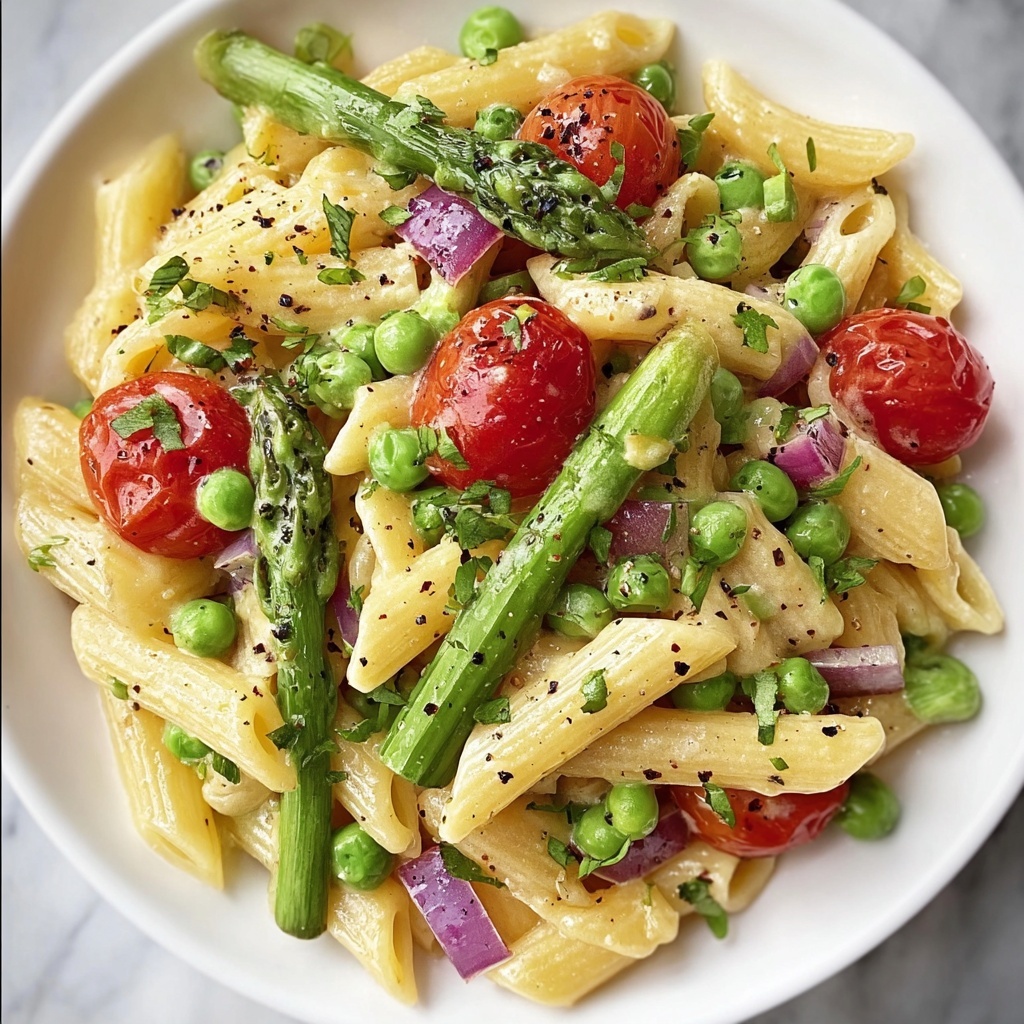
If you are craving a dish that bursts with vibrant colors, fresh flavors, and a light yet satisfying texture, let me introduce you to the Pasta Primavera Recipe. This delightful pasta dish perfectly celebrates spring vegetables cooked just right, bringing together tender penne pasta with crisp asparagus, sweet peas, juicy cherry tomatoes, and a hint of tangy lemon and garlic. Whether it’s a quick weeknight meal or a dish to impress your guests, this recipe shines with simplicity and freshness that will brighten any table.

Ingredients You’ll Need
This Pasta Primavera Recipe calls for simple, fresh ingredients that each play an essential role in delivering the dish’s signature bright taste and inviting texture. From the nutty olive oil to the zesty lemon juice and peppery Parmesan, each component has been thoughtfully combined to create harmony on your plate.
- 1 pound penne pasta: The perfect sturdy shape to hold the flavorful sauce and garden vegetables.
- 4 tablespoons extra virgin olive oil, divided: Adds richness and a smooth mouthfeel without overpowering the fresh vegetables.
- 1/2 red onion, thinly sliced: Contributes a subtle sweetness and slight crunch when sautéed.
- 1 cup asparagus, trimmed and cut into 2-inch pieces: Brings a fresh, grassy flavor and crisp texture that’s key to primavera.
- 1 cup frozen peas: Adds a pop of natural sweetness and vibrant green color with minimal prep.
- 1 cup cherry or grape tomatoes, halved: Juicy bursts of acidity balance the creaminess of cheese and olive oil.
- 1 cup artichoke hearts: Their tender, slightly tangy profile elevates the vegetable medley beautifully.
- 6 to 8 teaspoons minced garlic (about 6 to 8 cloves): Infuses the dish with aromatic warmth without overpowering.
- 3 tablespoons lemon juice: Provides the refreshing zing that brightens the entire dish.
- 1/2 cup freshly grated Parmesan cheese: Melts into the pasta for savory, cheesy depth and richness.
- Salt and pepper to taste: Essential for balancing flavors and enhancing natural sweetness of vegetables.
- 3 tablespoons minced fresh parsley for garnish: Adds a burst of fresh herbal brightness and attractive color.
How to Make Pasta Primavera Recipe
Step 1: Cook the Pasta Perfectly
Begin by cooking the penne pasta according to the package instructions until it’s al dente — tender but still firm to the bite. This texture is crucial because you want the pasta to stand up against the fresh vegetables and light sauce without becoming mushy. Once cooked, drain it and set it aside so you can combine it later with the flavorful veggies.
Step 2: Sauté the Aromatics and Asparagus
Heat half of your olive oil in a large skillet over medium-high heat. Add the thinly sliced red onion and cut asparagus. Sauté these together for about 5 to 7 minutes until the onions soften and the asparagus is tender-crisp. This step builds the foundation of your Primavera’s vegetable profile, marrying sweetness from the onion with the bright green crunch of asparagus.
Step 3: Add Peas, Tomatoes, and Artichoke Hearts
Next, toss in the frozen peas, halved cherry tomatoes, and artichoke hearts. Sauté them just long enough for everything to heat through, about 1 to 2 minutes. This quick heat prevents the tomatoes from breaking down too much, preserving their juicy texture, and warms the artichokes so their flavor melds perfectly with the other veggies.
Step 4: Garlic Infusion
Stir in the minced garlic and let it cook for exactly one minute more. Garlic introduces a fragrant, savory note that enhances every bite but cooking it just briefly avoids any bitterness. Once the garlic is ready, remove the skillet from heat to preserve that fresh, bright garlic aroma.
Step 5: Combine Pasta and Flavorful Dressings
Add the cooked pasta back into the skillet and drizzle with the remaining olive oil, freshly squeezed lemon juice, and grated Parmesan cheese. Toss everything well so the cheese melts into the warm pasta and veggies, creating a luscious coating. Season generously with salt and pepper, tasting as you go to get that perfect balance of tang, saltiness, and sweet vegetable flavors.
Step 6: Garnish and Serve Hot
The final touch is adding freshly minced parsley over the top. This not only adds a fresh herbal brightness but also makes your dish look inviting and colorful. Serve the pasta hot to enjoy the full impact of the flavors and textures in this fabulous Pasta Primavera Recipe.
How to Serve Pasta Primavera Recipe
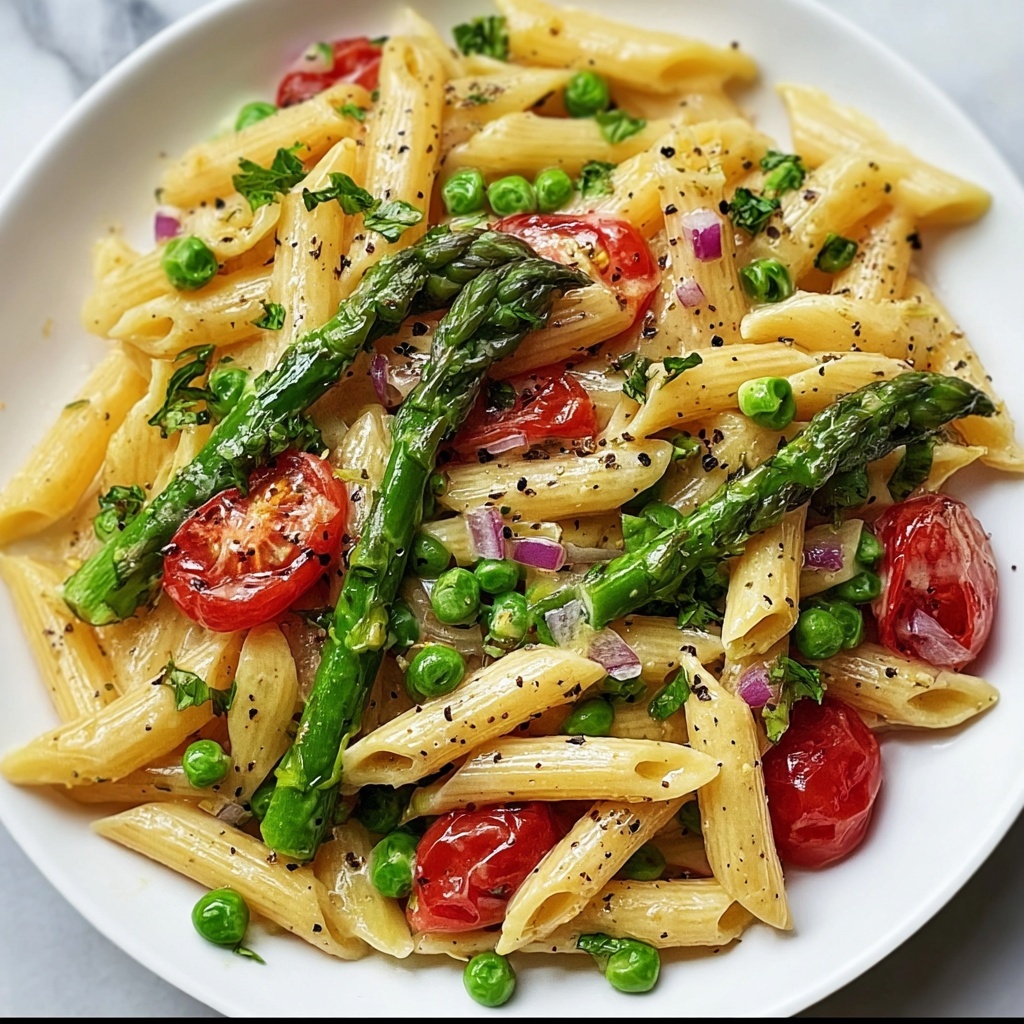
Garnishes
Sprinkling chopped fresh parsley is classic, but you can also add a little extra grated Parmesan or a dash of cracked black pepper for an elevated finish. A sprinkle of red pepper flakes can add a nice gentle kick if you crave a bit of heat.
Side Dishes
This dish pairs wonderfully with a crisp, green salad dressed lightly with lemon vinaigrette, or some crusty bread to soak up the flavorful juices. A chilled glass of white wine like Sauvignon Blanc or Pinot Grigio can also balance the zesty lemon and fresh veggies beautifully.
Creative Ways to Present
Try serving it in individual shallow bowls to showcase the colorful medley of vegetables on display. For a special occasion, garnish with edible flowers or a drizzle of basil pesto to add more layers of flavor and an elegant touch.
Make Ahead and Storage
Storing Leftovers
Store any leftover Pasta Primavera in an airtight container in the refrigerator for up to 3 days. Because of the fresh vegetables, it’s best enjoyed within this timeframe to preserve the crispness and flavor.
Freezing
Freezing this dish is generally not recommended since the fresh vegetables and pasta textures can become mushy after thawing. It’s best savored fresh or refrigerated short-term.
Reheating
When reheating, gently warm the pasta in a skillet over low heat with a splash of olive oil or water to prevent drying out. Avoid microwaving at high heat as it can cause uneven warming and sogginess.
FAQs
Can I use other types of pasta for this Pasta Primavera Recipe?
Absolutely! While penne is perfect for holding the vegetables and sauce, you can also use fusilli, farfalle, or even spaghetti if you prefer. The key is to cook your pasta al dente.
Is this dish vegetarian or vegan?
This Pasta Primavera Recipe is naturally vegetarian. To make it vegan, omit the Parmesan cheese or substitute it with a plant-based cheese alternative.
Can I add protein to this dish?
Yes! Grilled chicken, shrimp, or even crispy tofu can be great additions if you want to boost the protein content without overshadowing the fresh vegetable flavors.
How can I make this recipe gluten-free?
Simply swap the penne for your favorite gluten-free pasta. The rest of the ingredients are naturally gluten-free and bursting with flavor.
What is the best way to keep the vegetables crisp?
To maintain that perfect tender-crisp texture, avoid overcooking the vegetables during sautéing. Cook them just until they are heated through but still have a bit of bite.
Final Thoughts
I encourage you to dive into this Pasta Primavera Recipe and savor the bright, fresh garden flavors that come together so beautifully in every bite. It’s a dish that’s as satisfying to make as it is to eat, bringing joy and vibrant color to your table with minimal fuss. Once you try it, this recipe will quickly become one of your favorites to share with friends and family.
Print
Pasta Primavera Recipe
- Prep Time: 10 minutes
- Cook Time: 10 minutes
- Total Time: 20 minutes
- Yield: 6 servings
- Category: Main Course
- Method: Stovetop
- Cuisine: Italian
- Diet: Vegetarian
Description
A vibrant and fresh Pasta Primavera featuring penne pasta tossed with sautéed asparagus, peas, cherry tomatoes, artichoke hearts, and garlic, finished with lemon juice and Parmesan cheese for a light yet flavorful Italian-inspired dish.
Ingredients
Pasta
- 1 pound penne pasta
Vegetables and Extras
- 1/2 red onion, thinly sliced
- 1 cup asparagus, trimmed and cut into 2-inch pieces
- 1 cup frozen peas
- 1 cup cherry or grape tomatoes, halved
- 1 cup artichoke hearts
- 6 to 8 teaspoons minced garlic (about 6 to 8 cloves)
Seasonings and Garnishes
- 4 tablespoons extra virgin olive oil, divided
- 3 tablespoons lemon juice
- 1/2 cup freshly grated Parmesan cheese
- Salt and pepper to taste
- 3 tablespoons minced fresh parsley for garnish
Instructions
- Cook Pasta: Cook 1 pound of penne pasta according to the package instructions until al dente. Drain thoroughly and set aside to keep warm.
- Sauté Onion and Asparagus: Heat 2 tablespoons of olive oil in a large skillet over medium-high heat. Add the thinly sliced red onion and asparagus pieces, sautéing for 5 to 7 minutes until the asparagus is tender but still crisp.
- Add Peas, Tomatoes, and Artichokes: Stir in the frozen peas, halved cherry or grape tomatoes, and artichoke hearts. Continue to sauté for an additional 1 to 2 minutes until everything is heated through.
- Add Garlic: Mix in the minced garlic and cook for 1 minute more, allowing the garlic to release its aroma without burning. Remove the skillet from heat to prevent overcooking.
- Toss Pasta with Vegetables and Seasonings: Add the cooked pasta back into the skillet. Toss with the remaining 2 tablespoons of olive oil, lemon juice, and freshly grated Parmesan cheese until the cheese melts and coats the pasta evenly. Season with salt and freshly ground black pepper to taste.
- Garnish and Serve: Serve the pasta immediately, topped with minced fresh parsley for a bright, fresh finish.
Notes
- For best texture, do not overcook the asparagus; it should remain tender-crisp.
- You can substitute penne with other pasta shapes like fusilli or farfalle.
- Use fresh garlic and fresh lemon juice for the most vibrant flavor.
- Parmesan cheese can be omitted or replaced with a vegan alternative for a dairy-free version.
- Leftovers can be refrigerated in an airtight container for up to 3 days and reheated gently on the stovetop or microwave.