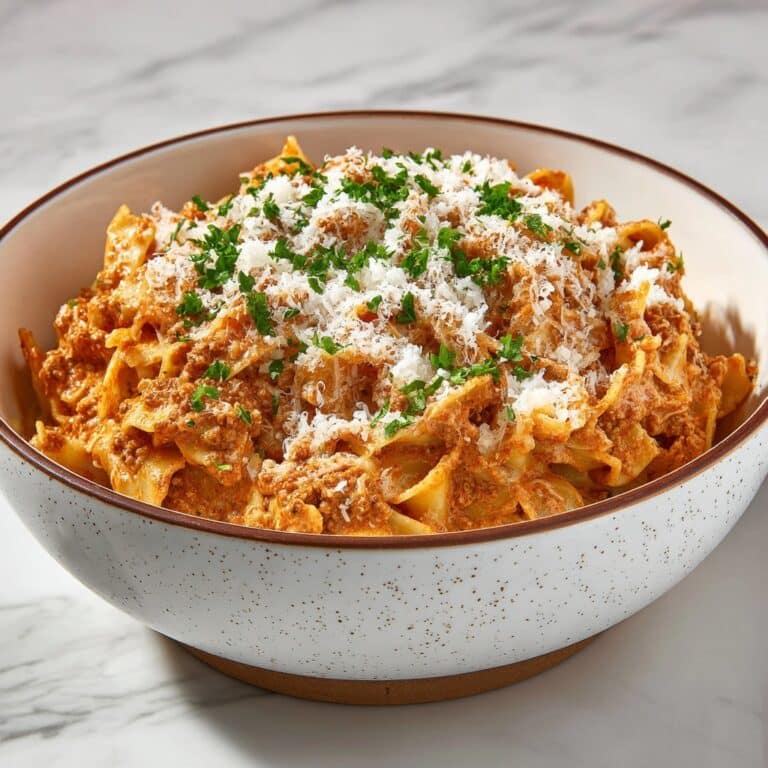

If you have ever dreamed of savoring a bowl that perfectly captures the essence of the ocean with comforting, creamy goodness, then this Nova Scotia Seafood Chowder Recipe is going to become your new favorite. Bursting with tender chunks of seafood, velvety potatoes, and a luscious blend of herbs and cream, it beautifully showcases the best coastal flavors of Nova Scotia while being incredibly satisfying and simple to prepare. Whether it’s a chilly evening or a weekend treat, this chowder instantly transports you to waterfront cottages and cozy kitchens filled with the aroma of fresh, home-cooked meals.

Ingredients You’ll Need
Gathering these fresh and straightforward ingredients sets the foundation for a chowder that’s rich in texture and flavor. Each component plays its part, from the creamy dairy enriching the broth to the medley of seafood that offers a wonderful variety of tastes and bites.
- Unsalted butter: Essential for a silky sauté base that brings richness without overpowering.
- Small onion, finely chopped: Adds natural sweetness and depth once softened.
- Celery stalk, diced: Offers a subtle crunch and herbaceous notes.
- Carrot, diced: Provides a mild earthiness and a pop of color.
- Garlic cloves, minced: Infuses the chowder with a warm, aromatic punch.
- Diced potatoes (Yukon Gold or red potatoes): Give the chowder body and a creamy texture when cooked through.
- Seafood or fish stock: The heart of the liquid base, making sure every spoonful tastes like the sea.
- Bay leaf: Adds a subtle herbal complexity that melds all flavors together.
- Dried thyme: Brings a fragrant earthiness that’s classic in chowders.
- Black pepper: For a gentle background heat that lifts the dish.
- Heavy cream: Creates a luscious, velvety broth everyone will love.
- Whole milk: Balances the cream with a lighter dairy touch.
- Mixed seafood (shrimp, scallops, haddock, cod, or clams): This delicious combination ensures a variety of textures and flavors in every bite.
- Fresh parsley, chopped: Adds a bright, herbaceous finish and visual appeal.
- Lemon juice: Provides just the right amount of acidity to brighten and balance the rich chowder.
How to Make Nova Scotia Seafood Chowder Recipe
Step 1: Sauté Your Aromatics
Start by melting the unsalted butter in a large pot set over medium heat. Toss in the finely chopped onion, diced celery, carrot, and minced garlic. Let these cook gently until softened and fragrant, which usually takes about 5 to 7 minutes. This step is key because it releases the natural sweetness of the vegetables and forms a wonderful aromatic base that will infuse every spoonful.
Step 2: Add Potatoes and Stock, Then Simmer
Next, add the diced potatoes along with the seafood or fish stock to the pot. Pop in the bay leaf, sprinkle in the dried thyme and black pepper. Bring everything to a simmer and let it cook gently until the potatoes become tender, about 10 to 12 minutes. As the potatoes soften, their starch will also help thicken your chowder naturally, creating that classic creamy texture.
Step 3: Incorporate Cream, Milk, and Seafood
Lower the heat to keep everything at a gentle simmer, then stir in the heavy cream and whole milk. Now, add your mixed seafood—this is the moment your chowder truly comes to life. Allow the seafood to cook delicately in the broth for 5 to 7 minutes, just until it turns opaque and tender. Overcooking can make seafood tough, so keep an eye on the texture here!
Step 4: Finish with Fresh Herbs and Lemon
Turn off the heat and stir in the freshly chopped parsley and the lemon juice. These final touches add brightness and color that balance the richness of the chowder beautifully. Before serving, be sure to remove the bay leaf; it has done its job of enhancing the flavor and should not be eaten.
How to Serve Nova Scotia Seafood Chowder Recipe

Garnishes
A sprinkle of fresh parsley on top is classic and keeps that fresh, vibrant look. If you want to get fancy, a few crispy bacon bits or a drizzle of extra cream can add richness and texture. A grind of fresh black pepper right before serving always perks it up nicely.
Side Dishes
This chowder is wonderful served alongside crusty bread or buttery crackers for dunking into every luscious spoonful. A crisp green salad on the side can add a refreshing contrast to the hearty seafood flavors.
Creative Ways to Present
For a charming table presentation, serve the chowder in individual bread bowls or rustic ceramic soup crocks. Adding a wedge of lemon on the side encourages guests to add a personal touch of acidity. You might even top each bowl with a small sprig of parsley or thyme for that homemade feel.
Make Ahead and Storage
Storing Leftovers
Leftover Nova Scotia Seafood Chowder Recipe keeps beautifully in the refrigerator for up to 2 days. Store it in an airtight container to maintain freshness and the delicate seafood flavors. Be sure to give it a gentle stir before reheating as it may thicken slightly upon cooling.
Freezing
Freezing seafood chowder can sometimes change the texture of the seafood, making it a bit rubbery, so it’s best enjoyed fresh. However, if you want to freeze, consider omitting the seafood and adding it fresh later when reheating. Freeze the chowder base in a sealed container for up to 1 month.
Reheating
When reheating, do so slowly over low heat to prevent the cream from curdling and the seafood from overcooking. Stir gently until warmed through, adding a splash of milk or stock if the chowder seems too thick. This careful approach ensures that every spoonful tastes just as delightful as when fresh.
FAQs
Can I use frozen seafood for this chowder?
Absolutely! Frozen seafood works well, especially when fresh options aren’t available. Just make sure to thaw it properly and pat it dry to avoid adding excess water to the chowder, which could dilute the flavors.
Is it possible to make this chowder dairy-free?
Yes! Substitute the heavy cream and milk with coconut milk or a dairy-free cream alternative. Keep in mind this will slightly change the flavor and texture, but it will still be wonderfully comforting.
What type of seafood works best for this recipe?
The beauty of this recipe is its flexibility. A mix of shrimp, scallops, and firm white fish like haddock or cod is traditional and delicious. Clams or mussels can also be added for extra ocean flavor and texture.
Can I prepare this chowder in advance?
You can prepare the base (without seafood) in advance and refrigerate it. Add the seafood and finish cooking just before serving to keep the seafood tender and fresh-tasting.
How thick should the chowder be?
The ideal Nova Scotia Seafood Chowder Recipe has a rich and creamy broth that’s not too thick or too runny. The potatoes naturally thicken it, but it should still spoon easily without being overly heavy.
Final Thoughts
If you want a delicious way to celebrate the flavors of the sea with cozy comfort, you have to try this Nova Scotia Seafood Chowder Recipe. It’s one of those magical dishes that feels like a warm hug and a seafood feast all in one bowl. Once you master this chowder, it might just become your go-to recipe for gatherings, chilly days, or whenever you crave a taste of the coast.
Print
Nova Scotia Seafood Chowder Recipe
- Prep Time: 10 minutes
- Cook Time: 20 minutes
- Total Time: 30 minutes
- Yield: 6 servings
- Category: Soup
- Method: Stovetop
- Cuisine: Canadian
Description
A creamy and comforting Nova Scotia Seafood Chowder featuring a medley of fresh seafood simmered with tender potatoes, aromatic vegetables, and herbs in a rich, creamy broth. Perfect for a cozy meal, this chowder combines shrimp, scallops, haddock, cod, and clams for an authentic taste of coastal Canada.
Ingredients
Vegetables and Aromatics
- 2 tablespoons unsalted butter
- 1 small onion, finely chopped
- 1 celery stalk, diced
- 1 carrot, diced
- 2 cloves garlic, minced
- 3 cups diced potatoes (Yukon Gold or red potatoes)
Liquids and Seasonings
- 4 cups seafood or fish stock
- 1 bay leaf
- 1 teaspoon dried thyme
- ½ teaspoon black pepper
- 1 cup heavy cream
- 1 cup whole milk
- 1 tablespoon lemon juice
Seafood and Garnish
- 1 ½ lbs mixed seafood (shrimp, scallops, haddock, cod, or clams)
- ¼ cup fresh parsley, chopped
Instructions
- Sauté Aromatics: Melt the unsalted butter in a large pot over medium heat. Add the finely chopped onion, diced celery, diced carrot, and minced garlic. Sauté the vegetables until they become soft and fragrant, about 5 to 7 minutes.
- Simmer Potatoes and Broth: Add the diced potatoes, seafood or fish stock, bay leaf, dried thyme, and black pepper to the pot. Bring the mixture to a gentle simmer and cook until the potatoes are tender, about 10 to 12 minutes, stirring occasionally to prevent sticking.
- Add Cream and Seafood: Lower the heat to a gentle simmer. Stir in the heavy cream and whole milk, blending them thoroughly with the broth. Add the mixed seafood to the pot and simmer gently for 5 to 7 minutes, or until the seafood is just cooked through and tender.
- Finish with Herbs and Lemon: Stir in the chopped fresh parsley and lemon juice to brighten the flavors. Taste the chowder and adjust the seasoning if necessary, adding more salt or pepper as desired.
- Serve: Remove the bay leaf from the chowder and ladle the hot chowder into bowls. Serve immediately with crusty bread or crackers for a satisfying meal.
Notes
- You can substitute the mixed seafood for your favorite local catch, ensuring a fresh and tasty chowder.
- Use Yukon Gold or red potatoes as they hold their shape well and provide a creamy texture.
- Adjust cream and milk quantities for a lighter or richer chowder according to preference.
- Remove the bay leaf before serving to avoid any bitter taste.
- For added flavor, garnish with extra fresh parsley or a pinch of smoked paprika.