Description
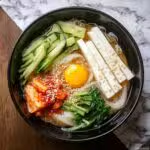
Naengmyeon is a refreshing Korean cold noodle dish featuring chewy buckwheat or sweet potato starch noodles served in a chilled, tangy beef broth. Garnished with crisp cucumber, sweet Korean pear, boiled eggs, and optional tender brisket slices, it’s a perfect light meal especially on hot summer days. This recipe blends savory, sweet, and sour flavors in a cooling bowl that’s both satisfying and traditional.
Ingredients
Noodles
- 12 oz naengmyeon noodles (buckwheat or sweet potato starch-based)
Broth and Seasoning
- 4 cups cold beef broth (preferably brisket broth or store-bought Korean dongchimi broth)
- 1 tablespoon rice vinegar
- 1 teaspoon sugar
- 1 teaspoon soy sauce
Garnishes
- 1/2 Korean pear (thinly sliced)
- 1/2 cucumber (julienned)
- 2 boiled eggs (halved)
- 1/2 cup cooked brisket (thinly sliced, optional)
- Ice cubes for serving
- Korean mustard paste or gochujang for garnish (optional)
Instructions
- Cook the Noodles: Boil the naengmyeon noodles according to the package instructions until tender but firm. Drain and rinse them thoroughly under very cold running water to remove excess starch and cool them completely. Drain well to prevent sogginess.
- Prepare the Broth: Chill the beef broth in the refrigerator ahead of time or add a few ice cubes just before serving to keep it exceptionally cold. In a small bowl, combine rice vinegar, sugar, and soy sauce, stirring until dissolved. Mix this seasoning into the chilled broth to create a balanced savory and tangy flavor.
- Assemble the Bowls: Divide the well-drained cold noodles evenly between two large serving bowls. Pour the seasoned chilled beef broth over the noodles until they are mostly submerged.
- Add the Toppings: Arrange the julienned cucumber, thinly sliced Korean pear, and half a boiled egg on top of each bowl. Add the optional thin slices of cooked brisket if using. For extra flavor and spice, add a spoonful of Korean mustard paste or gochujang on the side or directly on top.
- Serve Immediately: Serve the naengmyeon right away to enjoy the refreshing cold temperature. Provide additional vinegar or mustard paste on the side for guests to adjust seasoning to taste. Traditionally, the broth can be slightly slushy, so partially frozen broth works well for an authentic experience.
Notes
- If dongchimi broth is unavailable, substitute the broth with a mixture of cold water and vinegar for tanginess.
- Ensure the noodles are thoroughly rinsed and very cold for the best chewy texture and refreshing bite.
- Partially freezing the broth before serving creates a traditional slushy texture that enhances the cooling sensation of the dish.
- Optional brisket adds richness but can be omitted for a lighter vegetarian variation if suitable broth is used.
