
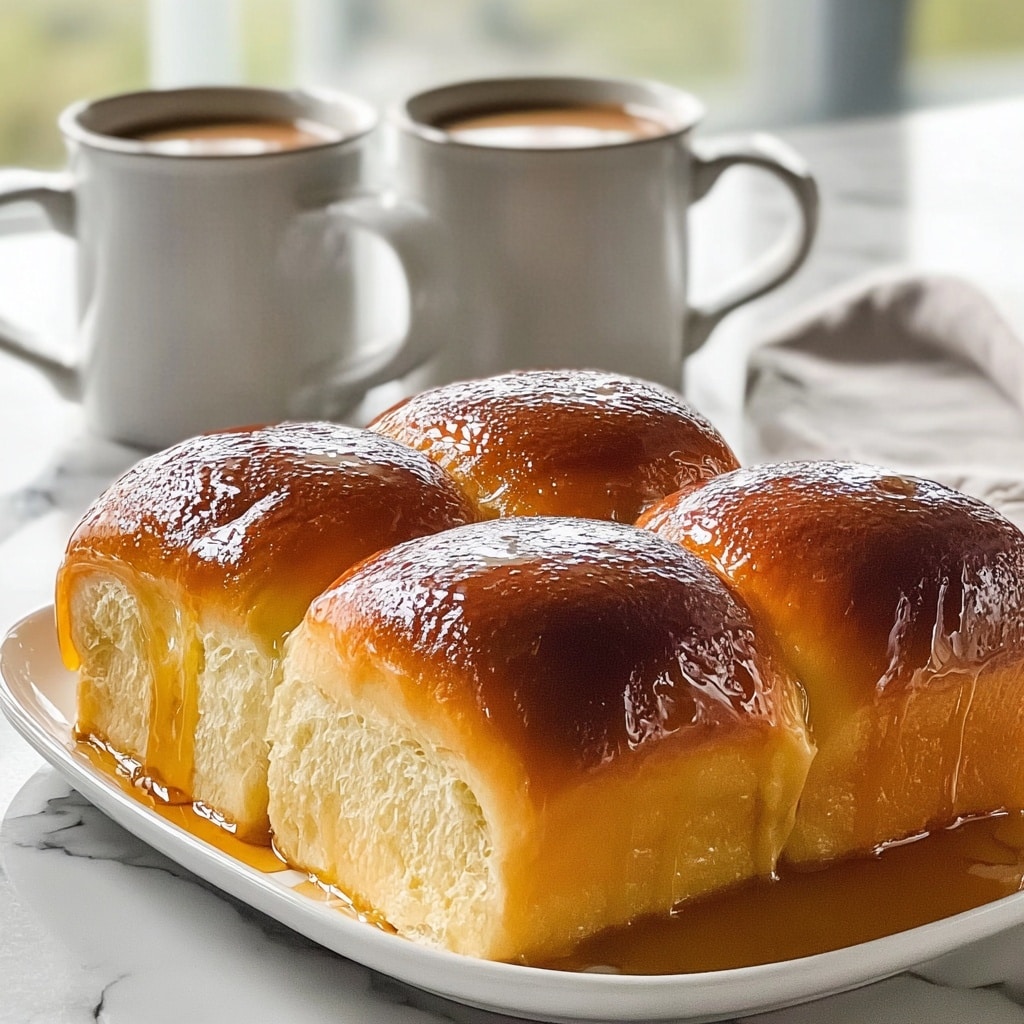
If you’re craving a bread that’s soft, buttery, and irresistibly fluffy, look no further than this Milk Brioche Recipe. This classic French treat combines the richness of eggs and butter with the creaminess of warm milk to create a dough that feels like a cloud in your hands and melts delightfully on your tongue. Whether you’re a seasoned baker or just starting out, this recipe is your ticket to making bakery-quality brioche right in your own kitchen, each bite bursting with comforting, mildly sweet flavor that pairs perfectly with everything from morning jam to evening stews.

Ingredients You’ll Need
The simplicity of the ingredients in this Milk Brioche Recipe is what makes it so magical. Each element plays an important role: flour provides structure, milk adds moisture and tenderness, sugar contributes just enough sweetness, and butter gives it that signature rich flavor that sets brioche apart.
- 4 cups all-purpose flour: The base of your dough, essential for that perfect chewy yet light texture.
- 1 cup whole milk (warm): Keeps the dough moist and helps activate the yeast for a soft crumb.
- 2 ¼ tsp active dry yeast (1 packet): The magic behind your brioche’s rise and airy texture.
- ¼ cup granulated sugar: Adds subtle sweetness and helps feed the yeast.
- 3 large eggs: Enrich the dough for tenderness and an inviting golden color.
- ½ cup unsalted butter (softened): The star ingredient for that melt-in-your-mouth richness.
- 1 tsp salt: Balances the sweetness and enhances overall flavor.
- 1 tsp vanilla extract: Adds a lovely, fragrant hint elevating the brioche’s taste.
How to Make Milk Brioche Recipe
Step 1: Activate the Yeast
Begin by warming your whole milk until it’s comfortably warm, not hot, to avoid killing the yeast. Stir in the active dry yeast, then set this mixture aside for about 5 to 10 minutes. You’ll know it’s ready when it becomes frothy on the surface, signaling the yeast is alive and kicking, which is crucial for giving your Milk Brioche Recipe that perfect lift.
Step 2: Create Dough Mixture
In a large mixing bowl, whisk together the all-purpose flour, sugar, and salt so everything is evenly distributed. Make a well in the center, then pour in your frothy yeast mixture, add the eggs, and stir in the vanilla extract. Mix everything until it just starts coming together into a shaggy dough—don’t worry if it feels a bit rough here; kneading will do the magic next.
Step 3: Knead the Dough
Turn your dough out onto a lightly floured surface and begin kneading. It’s a great way to release some stress, and after 8 to 10 minutes of working the dough, you’ll notice it becomes smooth, elastic, and less sticky. This process develops the gluten, which is vital for the airy yet tender crumb only a brioche can offer.
Step 4: Incorporate Butter
Now, gradually add the softened unsalted butter to your dough, bit by bit, kneading each addition in thoroughly before adding more. This step is the secret to that luxurious brioche flavor and soft texture. Your dough might get a little sticky at times, but keep going—soon enough, the butter will be fully absorbed and the dough will feel wonderfully supple.
Step 5: First Rise
Place your buttery dough in an oiled bowl, cover it with a clean kitchen towel or plastic wrap, and let it rest in a warm spot. This first rise can take anywhere from 1 to 2 hours—your dough should double in size. Watching this transformation is one of the most rewarding parts of the Milk Brioche Recipe; it’s what gives the bread its feather-light lift and perfect airy feel.
Step 6: Bake
Preheat your oven to 350°F (175°C). Gently shape the risen dough into either a gorgeous loaf or individual rolls—whatever suits your mood. Arrange them on a baking tray or in a loaf pan and pop them in the oven for 25 to 30 minutes. When they turn a beautiful golden brown, you know your Milk Brioche Recipe has baked to perfection and is ready to enjoy.
How to Serve Milk Brioche Recipe
Garnishes
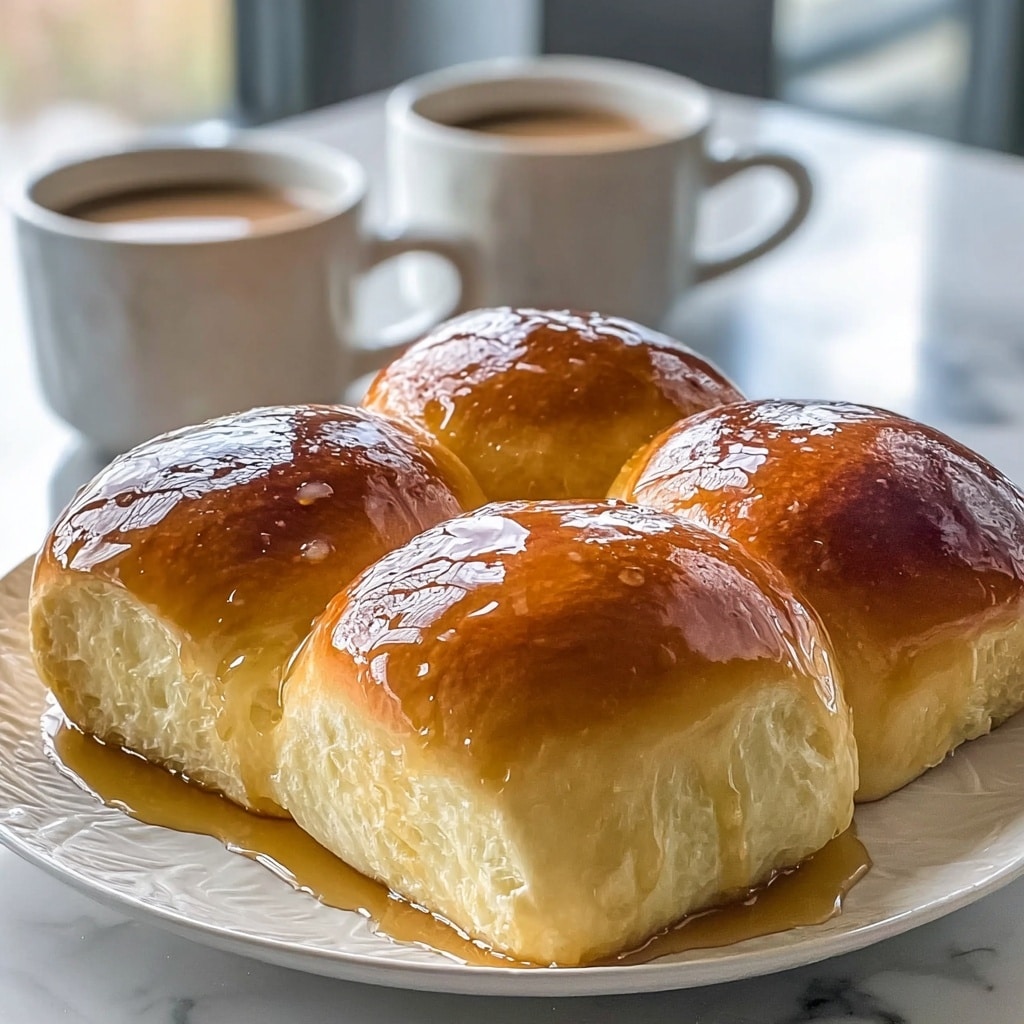
A simple dusting of powdered sugar or a brush of melted butter right after baking can take your brioche to the next level. For something more festive, sprinkle some coarse sugar or slivered almonds on top before baking to add extra texture and a touch of sweetness.
Side Dishes
Milk brioche pairs wonderfully with fresh fruit preserves, honey, or creamy cheeses like ricotta or mascarpone. It also complements savory delights such as scrambled eggs, smoked salmon, or even a hearty bowl of stew, making for a versatile bread that suits any meal of the day.
Creative Ways to Present
Turn your Milk Brioche Recipe into a showstopper by making French toast, using thick slices soaked in egg custard and fried until golden. Or try pulling apart mini brioche rolls to serve alongside a charcuterie board. The soft, slightly sweet bread elevates every dish it’s a part of, inviting endless creativity.
Make Ahead and Storage
Storing Leftovers
Once cooled completely, store your brioche in an airtight container or tightly wrapped in plastic wrap to keep it soft and fresh. Leftovers will stay delicious for up to 2 days at room temperature and can be revitalized with a quick warm-up in the oven.
Freezing
Brioche freezes beautifully—slice it before freezing for easy portioning. Wrap your loaf or rolls tightly in plastic wrap, then foil, and freeze for up to 1 month. When you’re ready to enjoy, thaw at room temperature or gently warm to bring back that bakery-fresh softness.
Reheating
To revive your Milk Brioche Recipe leftovers, pop slices in a toaster or warm them wrapped in foil in a 300°F oven for about 10 minutes. This will restore their tender crumb and buttery aroma, making each bite nearly as good as fresh from the oven.
FAQs
Can I use skim milk instead of whole milk?
You can, but whole milk provides more richness and tenderness, which really contributes to the soft, delicate crumb of the brioche. Using skim milk might yield a slightly less tender loaf, but it will still taste good.
Is it necessary to use unsalted butter?
Unsalted butter is preferred because it gives you control over the saltiness of your dough. Salted butter may make the brioche taste too salty, but if you only have salted, you can reduce the added salt in the recipe slightly.
How long can I let the dough rise?
The dough typically doubles in size within 1 to 2 hours. Rising it longer can lead to overly fermented dough and a stronger yeast flavor, so keep an eye on it and bake once it’s doubled for the best texture.
Can I make this recipe by hand or do I need a stand mixer?
You can absolutely make this Milk Brioche Recipe by hand. Kneading by hand might take a little more elbow grease but it’s totally doable and very satisfying. A stand mixer can speed things up but is not essential.
What makes brioche different from regular bread?
Brioche is richer than regular bread due to the high butter and egg content. This gives it a tender crumb, golden color, moist texture, and a subtly sweet, buttery flavor that is unlike any standard yeast loaf.
Final Thoughts
There’s something truly special about baking with love, and this Milk Brioche Recipe captures that warmth perfectly. The fluffiness and richness you get from these soft, buttery rolls is downright addictive. Whether you enjoy them fresh, toasted, or in a creative dish, making this brioche at home will fill your kitchen with joy and delicious aromas. So grab your ingredients and dive into this delightful baking adventure—you’ll wonder how you ever lived without it.
Print
Milk Brioche Recipe
- Prep Time: 20 minutes
- Cook Time: 30 minutes
- Total Time: 2 hours 50 minutes
- Yield: 12 servings
- Category: Bread
- Method: Baking
- Cuisine: French
Description
This Milk Brioche recipe yields a soft, buttery, and slightly sweet bread that is perfect for breakfast or snacks. Using warm milk and active dry yeast, the dough is enriched with eggs and butter, creating a tender crumb and rich flavor. The brioche is baked until golden brown, resulting in a delicious, fluffy loaf or rolls that can be enjoyed plain or with your favorite spreads.
Ingredients
Dry Ingredients
- 4 cups all-purpose flour
- ¼ cup granulated sugar
- 1 tsp salt
- 2 ¼ tsp active dry yeast (1 packet)
Wet Ingredients
- 1 cup whole milk (warm)
- 3 large eggs
- ½ cup unsalted butter (softened)
- 1 tsp vanilla extract
Instructions
- Activate the Yeast: In a small bowl, combine warm milk and active dry yeast. Let the mixture sit for 5-10 minutes until it becomes frothy, indicating the yeast is active and ready to use.
- Create Dough Mixture: In a large bowl, whisk together the all-purpose flour, granulated sugar, and salt. Make a well in the center and add the frothy yeast mixture, eggs, and vanilla extract. Mix all ingredients until just combined into a rough dough.
- Knead the Dough: Transfer the dough onto a floured surface and knead for 8-10 minutes until the dough turns smooth and elastic, developing the gluten structure necessary for the brioche texture.
- Incorporate Butter: Gradually add the softened unsalted butter in small portions during the kneading process, ensuring each addition is fully absorbed before adding more. This enrichment gives the brioche its signature tender crumb and richness.
- First Rise: Lightly oil a large bowl and place the kneaded dough inside. Cover with a damp cloth or plastic wrap and let it rise in a warm area for 1-2 hours, or until the dough has doubled in size, indicating proper fermentation.
- Shape and Bake: Preheat the oven to 350°F (175°C). Punch down the risen dough and shape it into a loaf or individual rolls as desired. Place on a baking tray or loaf pan and bake for 25-30 minutes until the exterior is golden brown and the bread sounds hollow when tapped.
Notes
- Ensure the milk is warm but not hot, as excessive heat can kill the yeast.
- Kneading time is important for gluten development; use a timer if needed.
- For an extra glossy finish, brush the brioche with an egg wash before baking.
- Allow the bread to cool completely before slicing to maintain its structure.
- You can store brioche in an airtight container for up to 3 days or freeze for longer storage.