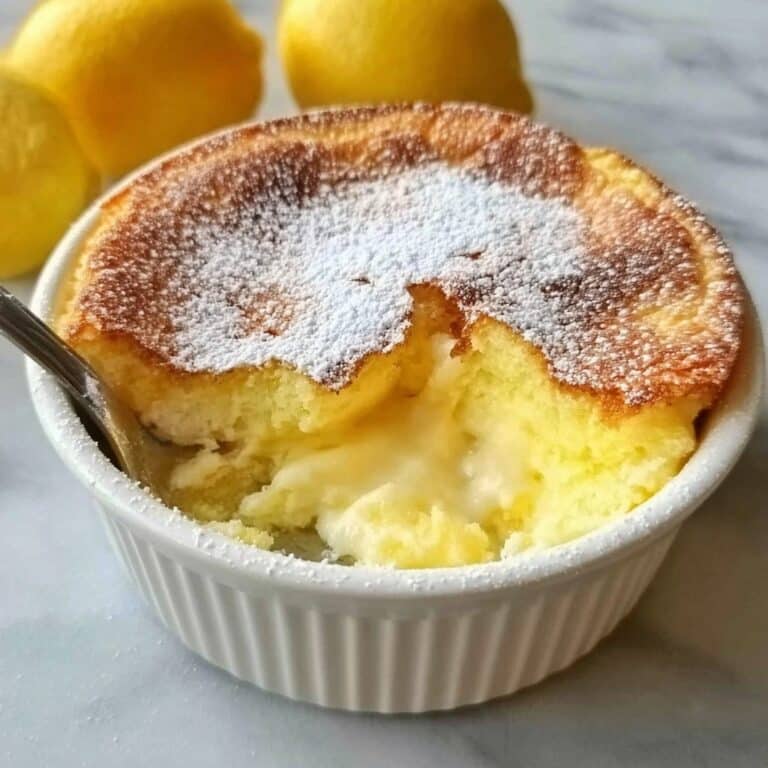
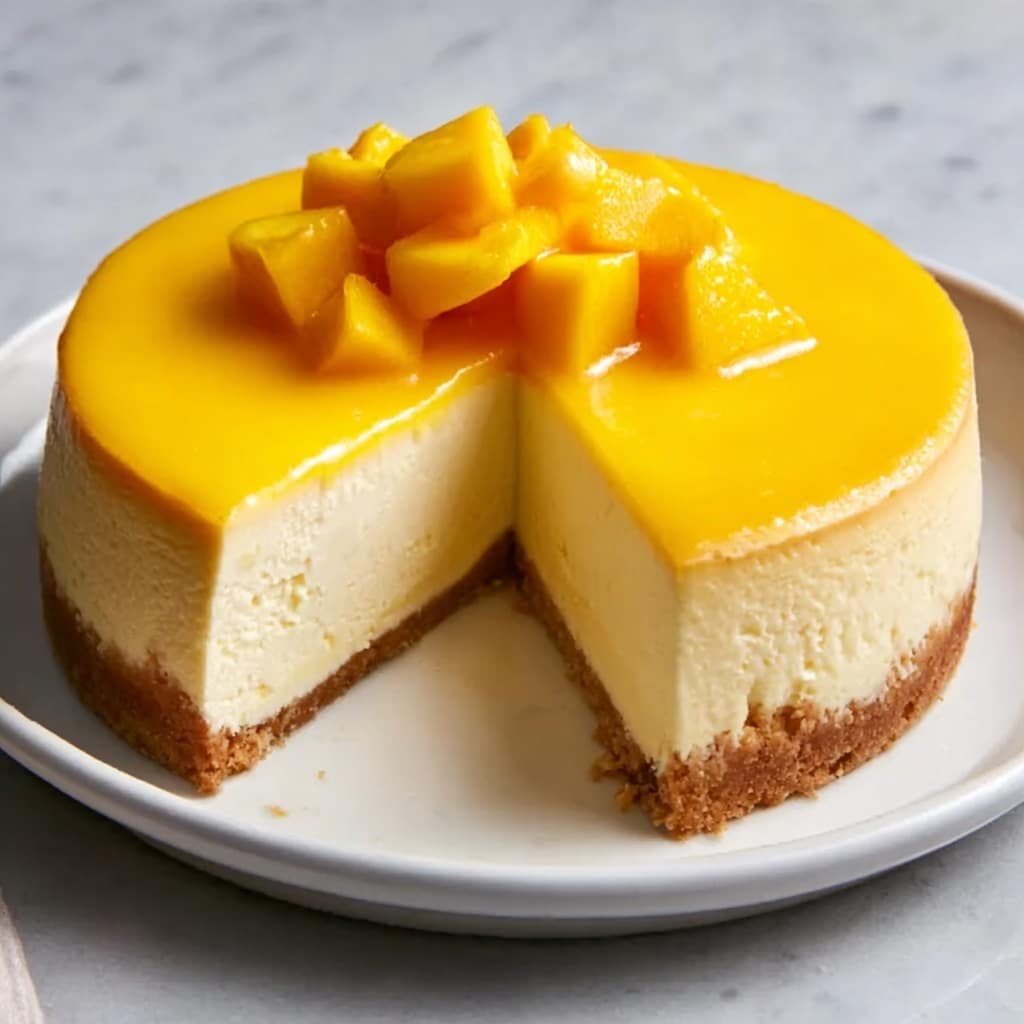
If you have a soft spot for desserts that combine airy lightness with tropical sweetness, you are going to adore this Mango Japanese Cheesecake Recipe. This cake perfectly balances the fluffy, melt-in-your-mouth texture typical of Japanese cheesecakes with the luscious, sunny flavor of ripe mangoes. It’s not only a treat for the taste buds but also a feast for the eyes, boasting a beautiful golden hue that’s sure to impress anyone lucky enough to take a slice. Once you master this recipe, you’ll find yourself reaching for it whenever you want to wow your friends or just indulge in a slice of pure happiness.

Ingredients You’ll Need
The ingredients for this Mango Japanese Cheesecake Recipe are wonderfully straightforward yet thoughtfully chosen to create that signature delicate texture and fruity aroma. Each component plays a crucial role, from the cream cheese that adds tangy richness to the mango puree infusing the cake with its fresh tropical zest.
- 200g cream cheese, softened: Provides the creamy base that gives the cheesecake its luxurious texture.
- 60g unsalted butter: Adds richness and helps with a smooth batter consistency.
- 100ml whole milk: Ensures the batter remains moist and tender.
- 6 large eggs, separated: Egg yolks enrich the cake, while whipped whites create the airy fluffiness.
- 100g granulated sugar: Sweetens without overpowering the delicate mango flavor.
- 1 teaspoon vanilla extract: Enhances the overall aroma and complements the mango perfectly.
- 70g cake flour: Contributes to the light, soft crumb structure.
- 30g cornstarch: Helps stabilize the batter and adds to the cheesecake’s unique fluffiness.
- 1/4 teaspoon salt: Balances and heightens the sweetness.
- 2 ripe mangoes, pureed: The star ingredient that delivers a fresh, fruity burst and beautiful color.
How to Make Mango Japanese Cheesecake Recipe
Step 1: Prepare Your Oven and Pan
Start by preheating your oven to 320°F (160°C). Line an 8-inch round cake pan with parchment paper on the bottom and sides — this will make sure the cheesecake doesn’t stick and comes out perfectly clean and beautiful.
Step 2: Puree the Mangoes
Blend your ripe mangoes until completely smooth. This fresh mango puree is what gives the cheesecake its irresistible tropical flair, so make sure to choose mangoes that are sweet and juicy for the best flavor.
Step 3: Melt the Cream Cheese Mixture
Using a double boiler keeps things gentle and mess-free as you melt together the cream cheese, butter, and whole milk. Stir until smooth, then let it cool just a bit—this step is what creates that silky, creamy base that the other ingredients will mingle with.
Step 4: Whisk Egg Yolks and Sugar
In a separate bowl, vigorously whisk the egg yolks and sugar until the mixture turns pale and fluffy. This process incorporates air and lightens up the texture, making each bite melt in your mouth.
Step 5: Combine Wet Ingredients
Now it’s time to bring in the vanilla extract, the cooled cream cheese mixture, and the mango puree. Mix everything thoroughly so all those flavors marry perfectly into a consistent batter.
Step 6: Add Dry Ingredients
Sift the cake flour, cornstarch, and salt together to avoid lumps, then gently fold this dry mixture into your mango batter. Folding carefully is key here — you want to keep the batter light and airy, not dense.
Step 7: Whip and Fold in Egg Whites
Whip the egg whites until they form stiff peaks. This step is what gives Japanese cheesecake its signature fluffy texture. Slowly and gently fold the egg whites into your mango batter, preserving all that precious air.
Step 8: Bake to Perfection
Pour the batter into your lined pan and give the pan a gentle tap to release any trapped air bubbles. Bake for 60 to 70 minutes, until the cheesecake has a golden top and feels set but still springy to the touch. This slow baking at a moderate temperature ensures an even rise and beautiful crust.
Step 9: Cool Gradually and Chill
Once you pull the cheesecake from the oven, leave it inside with the door slightly open for about 10 minutes to prevent sudden temperature changes that could cause cracks. Chill it in the fridge for a few hours or overnight to let those flavors deepen and the texture fully set.
How to Serve Mango Japanese Cheesecake Recipe
Garnishes
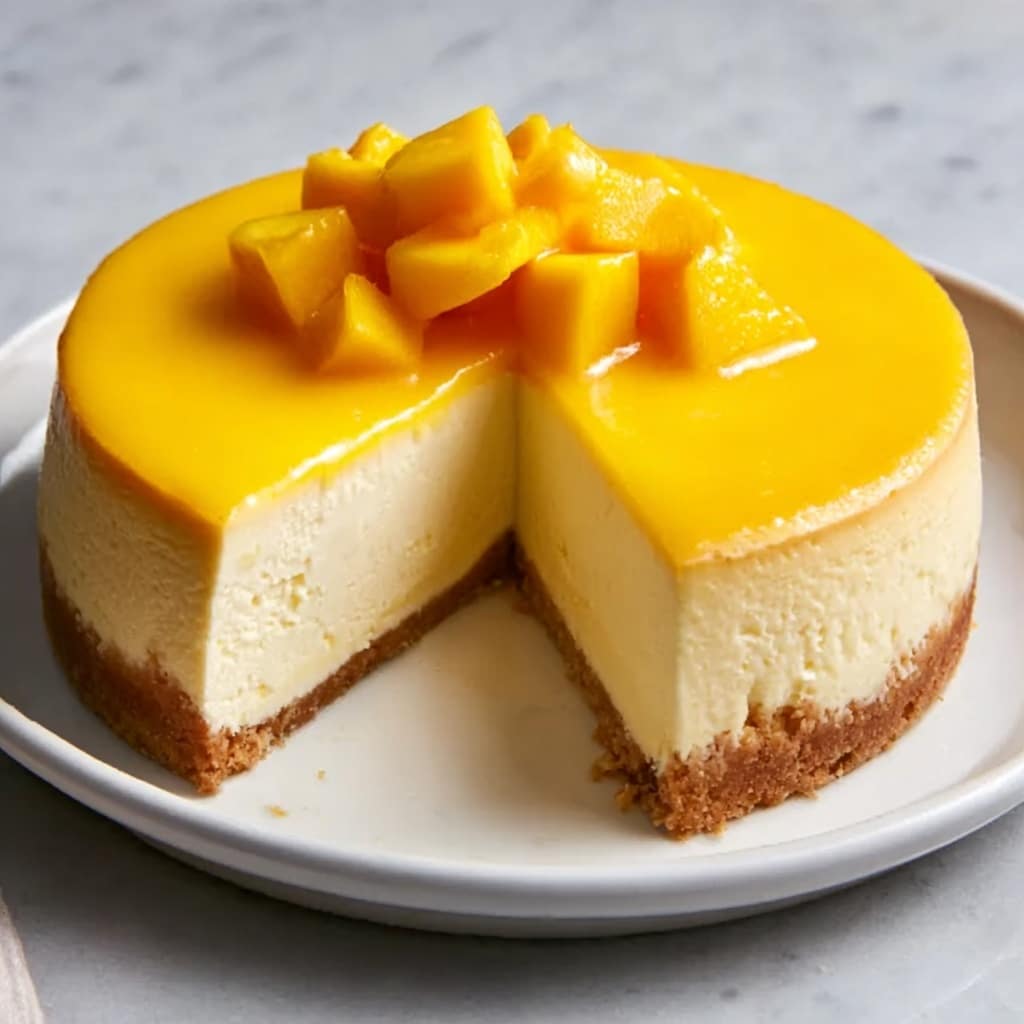
To take your Mango Japanese Cheesecake Recipe to the next level visually and taste-wise, try garnishing with thin mango slices fanned neatly on top, a dusting of powdered sugar, or a few fresh mint leaves for a pop of color and freshness. Toasted coconut flakes also add texture and a subtle nutty flavor that pairs beautifully.
Side Dishes
This cheesecake shines on its own but pairing it thoughtfully can elevate your dessert experience. Light, fruity side accompaniments like a small bowl of mixed berries or a scoop of coconut sorbet create a refreshing contrast. For tea lovers, a jasmine or green tea complements the tropical notes wonderfully.
Creative Ways to Present
Want to impress your guests? Serve slices on delicate porcelain plates with a drizzle of passion fruit coulis or a swirl of whipped cream infused with a hint of lime zest. You can even serve mini versions in jars topped with mango puree and fresh fruit for a charming individual presentation.
Make Ahead and Storage
Storing Leftovers
If you find yourself with leftovers (which is rare because this cheesecake vanishes quickly), store them in an airtight container in the refrigerator. It will keep beautifully for up to 3 days while maintaining its moist, fluffy texture.
Freezing
Mango Japanese Cheesecake Recipe freezes well if wrapped tightly in plastic wrap and placed in a freezer bag or container. Freeze for up to one month. Thaw overnight in the fridge before serving to preserve that signature airy texture without sogginess.
Reheating
Because of its light and delicate nature, reheating is not usually necessary, but if you prefer a slightly warmer slice, allow the piece to sit at room temperature for 15-20 minutes. Avoid microwaving as it can compromise the cake’s fluffiness.
FAQs
Can I use canned mango puree instead of fresh mangoes?
Fresh mangoes are highly recommended because they provide vibrant color and the bright natural flavor that canned puree often lacks. However, if fresh mangoes are unavailable, make sure the canned puree is high quality and unsweetened for best results.
What makes Japanese cheesecake different from regular cheesecake?
Japanese cheesecake is known for its light, fluffy, and airy texture, achieved by folding in whipped egg whites and baking at a gentle temperature. Unlike traditional dense cheesecakes, it almost melts in your mouth and is much less rich.
Can I substitute cream cheese with mascarpone?
You could try mascarpone, but it will alter the texture and tanginess of the cheesecake. Cream cheese lends a slight tartness and firmness necessary for the perfect structure in this recipe.
Do I need a water bath for baking this cheesecake?
The original recipe does not require a water bath, but if you want to ensure even baking and prevent cracking, you can place your cake pan inside a larger pan filled with hot water. Just make sure your cake pan is well wrapped to avoid water seeping in.
How do I know when the cheesecake is done?
The top should be golden and set with no jiggle in the center. If you gently press it, it should spring back slightly. A toothpick inserted should come out mostly clean with just a few moist crumbs.
Final Thoughts
There’s something truly special about this Mango Japanese Cheesecake Recipe that makes it a standout dessert to keep in your repertoire. Its delicate balance of flavors, cloud-like texture, and inviting tropical aroma will quickly become a favorite go-to whenever you crave a dessert that’s both light and indulgent. Give it a try, and I promise you’ll be smiling with every bite.
Print
Mango Japanese Cheesecake Recipe
- Prep Time: 30 minutes
- Cook Time: 1 hour 10 minutes
- Total Time: 1 hour 40 minutes
- Yield: 10 servings
- Category: Dessert
- Method: Baking
- Cuisine: Japanese
Description
This Mango Japanese Cheesecake combines the light, fluffy texture of a classic Japanese cheesecake with the sweet and tropical flavor of ripe mangoes. Made with cream cheese, fresh mango puree, and a delicate balance of fluffed egg whites and cake flour, this dessert is baked to a golden perfection and chilled to enhance its creamy consistency. Perfect for a refreshing treat or festive occasion, this cake delivers a delightful tropical twist on a beloved dessert.
Ingredients
Cheesecake Batter
- 200g cream cheese, softened
- 60g unsalted butter
- 100ml whole milk
- 6 large eggs, separated
- 100g granulated sugar
- 1 teaspoon vanilla extract
- 70g cake flour
- 30g cornstarch
- 1/4 teaspoon salt
- 2 ripe mangoes, pureed
Instructions
- Preheat Oven and Prepare Pan: Preheat your oven to 320°F (160°C). Line the base and sides of an 8-inch (20cm) round cake pan with parchment paper to ensure the cheesecake does not stick during baking.
- Puree Mangoes: Using a blender or food processor, puree the ripe mangoes until smooth. Set this vibrant mango puree aside for later incorporation into the batter.
- Melt and Combine Wet Ingredients: In a double boiler, gently melt the cream cheese, unsalted butter, and whole milk together until the mixture becomes smooth and homogenous. Allow this mixture to cool slightly before proceeding.
- Mix Egg Yolks and Sugar: In a separate bowl, whisk together the egg yolks and granulated sugar until the mixture turns pale and fluffy. Then, add the vanilla extract, the cooled cream cheese mixture, and the mango puree. Mix thoroughly to combine these ingredients evenly.
- Incorporate Dry Ingredients: Sift the cake flour, cornstarch, and salt into the mango batter. Gently fold the dry ingredients into the batter just until combined, making sure not to overmix to maintain lightness.
- Whip Egg Whites and Fold: In a clean bowl, whip the egg whites until stiff peaks form. Carefully fold the whipped egg whites into the mango batter, which helps to create the cheesecake’s signature airy and fluffy texture.
- Pour and Bake: Pour the batter into the prepared cake pan, then tap the pan gently on the counter to release any trapped air bubbles. Bake in the preheated oven for 60-70 minutes or until the cheesecake is golden and set.
- Cool and Chill: Allow the cheesecake to cool in the oven with the door slightly ajar for about 10 minutes to prevent cracking. Then refrigerate the cake for several hours or preferably overnight to let the flavors meld and the texture to set perfectly before serving.
Notes
- Make sure the cream cheese, butter, and milk mixture is not too hot when added to the egg yolks to prevent curdling.
- Folding the egg whites gently is crucial to maintain the fluffy texture of the cheesecake.
- Using fresh ripe mangoes will yield the best flavor and natural sweetness.
- You can line the cake pan with parchment paper extending above the sides to help with easy removal of the cheesecake.
- The cheesecake can be stored covered in the refrigerator for up to 3 days.