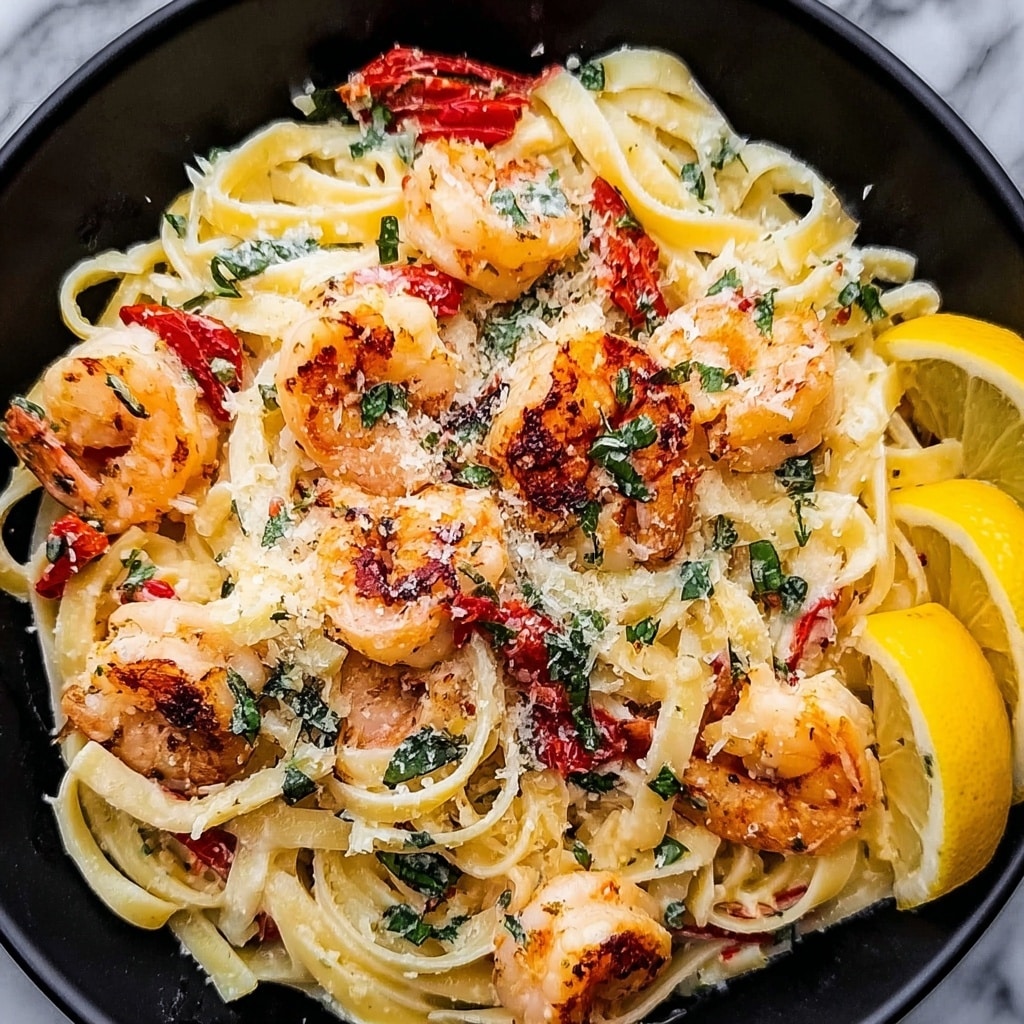
If you crave a dish that feels both luxurious and refreshingly vibrant, you are in for a treat with this Maine Lobster Piccata Recipe. Combining the sweet, tender flavor of fresh Maine lobster tails with a tangy lemon-caper sauce, this dish dazzles your palate with every bite. It’s the kind of recipe that turns an ordinary dinner into an elegant celebration without complicated steps. Bright, buttery, and infused with just the right amount of acidity, this Maine Lobster Piccata Recipe is perfect for impressing family and friends or indulging yourself on a special night.

Ingredients You’ll Need
Gathering a handful of simple yet essential ingredients is all it takes to bring this beautiful dish together. Each one plays a pivotal role in creating layers of flavor, texture, and color that make the Maine Lobster Piccata Recipe truly shine.
- 2 Maine lobster tails (about 5–6 oz each): The star ingredient, providing sweet, succulent meat that’s unbeatable in seafood dishes.
- 2 tablespoons olive oil: Adds a subtle fruitiness and helps achieve a golden sear on the lobster.
- 2 tablespoons unsalted butter: Gives richness and smoothness to both the lobster and the sauce.
- 1/2 cup all-purpose flour (for dredging): Creates a light coating that crisps up the lobster perfectly when seared.
- Salt and pepper to taste: Essential seasonings that enhance the natural flavors of the lobster and sauce.
- 1/3 cup dry white wine: Adds depth and a subtle acidity that balances the sweetness of the lobster.
- 1/3 cup fresh lemon juice: Brings brightness and the signature tang that defines piccata dishes.
- 1/4 cup capers (rinsed and drained): Offers bursts of briny sharpness, cutting through the richness beautifully.
- 1/2 cup low-sodium chicken or seafood broth: Provides a savory foundation to the sauce without overpowering the lobster.
- 2 tablespoons chopped fresh parsley: Adds a fresh, herbaceous note and vibrant green color at the finish.
- Lemon slices for garnish: A pretty and practical finishing touch that intensifies lemon flavor.
How to Make Maine Lobster Piccata Recipe
Step 1: Prepare the Lobster
Start by carefully cutting the lobster tails down the center with kitchen shears and gently removing the meat. Slice the lobster into large, bite-sized medallions that will cook quickly and remain delightfully tender. Lightly season these pieces with salt and pepper, then dredge them in flour, tapping off any excess. This helps create a delicate crust that locks in moisture while adding a touch of texture to the final dish.
Step 2: Sear the Lobster
Heat the olive oil and one tablespoon of butter in a large skillet over medium heat. When hot, add the lobster medallions and sear them for 1 to 2 minutes on each side until they develop a beautiful golden color and are just cooked through. Be careful not to overcook, as lobster can become rubbery quickly. Once seared, transfer the lobster to a plate and set it aside while you craft the sauce.
Step 3: Deglaze and Create the Sauce
Pour the dry white wine into the hot skillet to deglaze, scraping up all the flavorful browned bits stuck to the pan. These bits elevate the sauce with concentrated taste. Stir in the fresh lemon juice, rinsed capers, and broth, then let the mixture simmer gently for about 3 to 4 minutes. This simmering melds the bright citrus with the briny capers and savory broth creating a vibrant piccata sauce.
Step 4: Finish the Sauce and Combine
Whisk the remaining tablespoon of butter into the sauce to give it a smooth, glossy finish and a rich mouthfeel. Return the lobster medallions to the skillet and spoon the luscious sauce over them. Let everything cook together for one more minute to heat through and marry the flavors perfectly. Now your Maine Lobster Piccata Recipe is ready to dazzle your senses!
How to Serve Maine Lobster Piccata Recipe
Garnishes
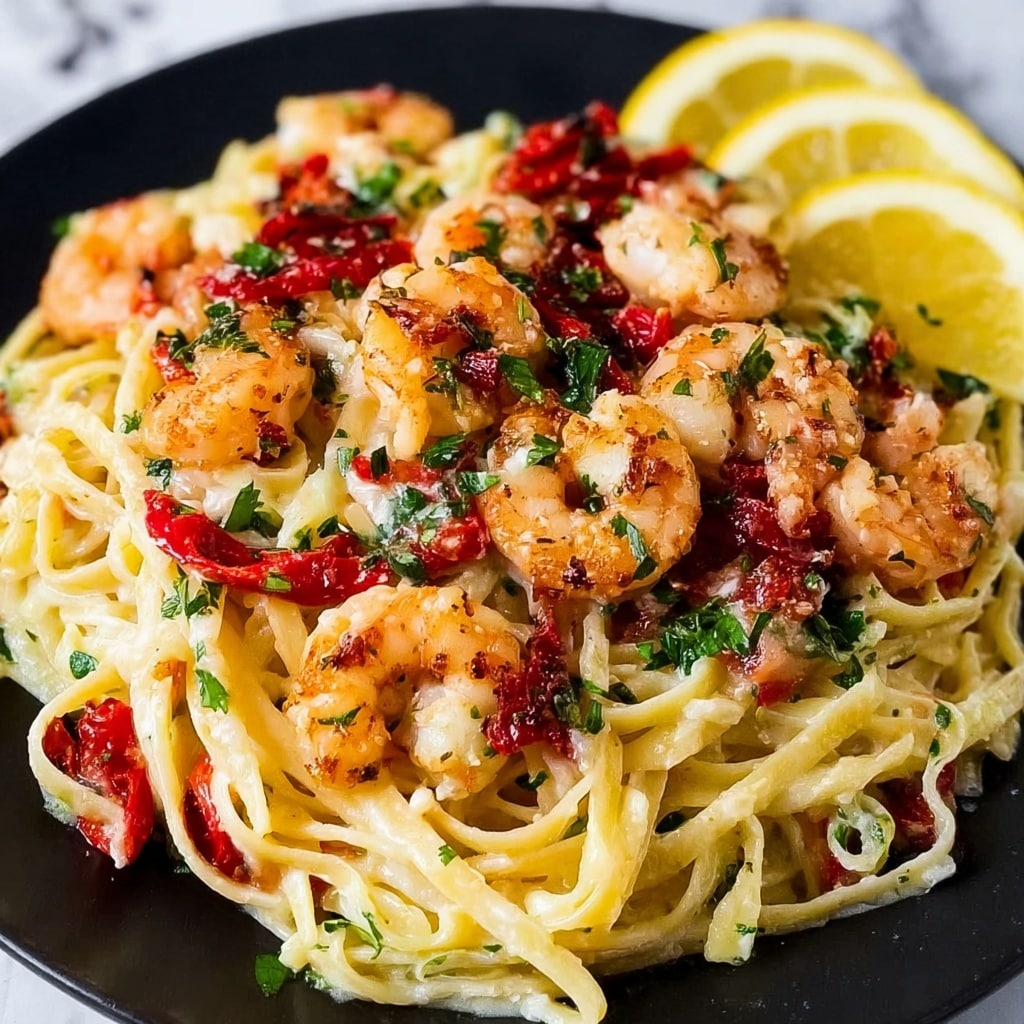
Freshly chopped parsley sprinkled over the top adds a beautiful pop of color and herbaceous freshness. Bright lemon slices not only look stunning but also allow diners to add an extra squeeze of citrus to their taste.
Side Dishes
This dish pairs wonderfully with light, complementary sides like angel hair pasta tossed in a touch of butter or olive oil, silky mashed potatoes, or sautéed spinach to add a nutritious, leafy element. These sides soak up the tangy, buttery piccata sauce beautifully ensuring a satisfying meal.
Creative Ways to Present
For an elegant twist, serve the lobster medallions atop a bed of creamy risotto or next to roasted baby vegetables for a stunning color contrast. You can also drizzle a splash of extra virgin olive oil or garnish with microgreens for a modern, restaurant-style presentation that’s sure to impress.
Make Ahead and Storage
Storing Leftovers
Store any leftover Maine Lobster Piccata Recipe in an airtight container and refrigerate for up to 2 days. Keep the lobster separate from the sauce if possible to prevent the meat from becoming overly saturated.
Freezing
Due to the delicate nature of lobster, freezing is not recommended as it can alter the texture and flavor significantly. However, you may freeze the sauce separately for up to one month and pair it with freshly cooked lobster when ready to serve.
Reheating
Gently reheat leftovers in a skillet over low heat, adding a splash of broth or water to loosen the sauce if needed. Avoid microwaving to keep the lobster tender and preserve the quality of the sauce.
FAQs
Can I use other types of lobster for this recipe?
While Maine lobster is preferred for its sweetness and texture, you can use other lobster varieties if Maine lobster isn’t available. Just keep in mind that flavors and cooking times may vary slightly.
Is it possible to make this dish gluten-free?
Yes, simply substitute the all-purpose flour with a gluten-free flour or cornstarch for dredging the lobster, and make sure your broth is gluten-free as well.
What can I substitute for white wine in the recipe?
If you prefer not to use wine, you can replace it with additional broth combined with a splash of white wine vinegar or lemon juice to maintain the acidity and depth in the sauce.
Can I add cream to make the sauce richer?
Absolutely! Stirring in a small splash of heavy cream at the end of cooking adds extra richness and smooths out the lemony tang without overpowering the delicate lobster flavor.
How do I know when the lobster is perfectly cooked?
Lobster cooks quickly and can become rubbery if overdone. Sear the pieces just until they turn opaque and golden on the outside, about 1 to 2 minutes per side, then finish them off briefly in the sauce. The lobster should be tender and juicy.
Final Thoughts
This Maine Lobster Piccata Recipe is a delightful celebration of fresh seafood and bright, zesty flavors. It’s approachable yet impressive, perfect for sharing with someone special or simply treating yourself. Once you try it, this stunning dish will have a cherished spot in your recipe collection, bringing sunshine and elegance to any occasion. Go ahead and make it soon—you deserve it!
Print
Maine Lobster Piccata Recipe
- Prep Time: 15 minutes
- Cook Time: 15 minutes
- Total Time: 30 minutes
- Yield: 2 servings
- Category: Main Course
- Method: Stovetop
- Cuisine: Italian-American
Description
This elegant Maine Lobster Piccata recipe features tender lobster medallions pan-seared to perfection and drenched in a bright, tangy lemon-caper sauce. A refined take on the classic piccata style, this dish is perfect for a sophisticated seafood dinner and pairs beautifully with angel hair pasta, sautéed spinach, or mashed potatoes.
Ingredients
Seafood
- 2 Maine lobster tails (about 5–6 oz each)
Seasoning & Coating
- Salt and pepper to taste
- 1/2 cup all-purpose flour (for dredging)
Cooking Fats & Oils
- 2 tablespoons olive oil
- 2 tablespoons unsalted butter
Sauce
- 1/3 cup dry white wine
- 1/3 cup fresh lemon juice
- 1/4 cup capers (rinsed and drained)
- 1/2 cup low-sodium chicken or seafood broth
- 2 tablespoons chopped fresh parsley
Garnish
- Lemon slices for garnish
Instructions
- Prepare Lobster Meat: Using kitchen shears, carefully cut the lobster tails down the center shell and gently remove the meat. Cut the meat into large bite-sized medallions for even cooking. Season lightly with salt and pepper.
- Dredge the Lobster: Place the all-purpose flour on a plate. Dredge the lobster pieces in the flour, shaking off any excess to ensure a light coating that will create a golden crust when cooked.
- Sear Lobster: Heat 2 tablespoons of olive oil and 1 tablespoon of unsalted butter in a large skillet over medium heat. Once hot, add the lobster pieces and sear for 1 to 2 minutes on each side until they turn golden and are just cooked through. Remove lobster from skillet and set aside to rest.
- Deglaze Pan: Pour the dry white wine into the skillet to deglaze, scraping up any browned bits stuck to the bottom of the pan. This adds rich flavor to the sauce.
- Make Sauce: Stir in fresh lemon juice, rinsed capers, and chicken or seafood broth into the pan. Allow the sauce to simmer gently for 3 to 4 minutes to meld the flavors.
- Finish Sauce: Whisk in the remaining 1 tablespoon of butter to enrich and thicken the sauce, giving it a silky texture and glossy finish.
- Reintroduce Lobster: Return the seared lobster medallions to the skillet. Spoon the luscious sauce over the lobster and cook together for 1 more minute to heat everything through and combine flavors well.
- Garnish and Serve: Sprinkle freshly chopped parsley over the lobster and garnish with lemon slices for a burst of color and citrus aroma. Serve immediately alongside your choice of angel hair pasta, mashed potatoes, or sautéed spinach.
Notes
- Serve over angel hair pasta, mashed potatoes, or sautéed spinach for a complete meal.
- For added richness, stir in a splash of heavy cream at the end of the sauce preparation.
- To ensure tender lobster, avoid overcooking to prevent rubbery texture.
- Use low-sodium broth to better control the saltiness of the dish.