
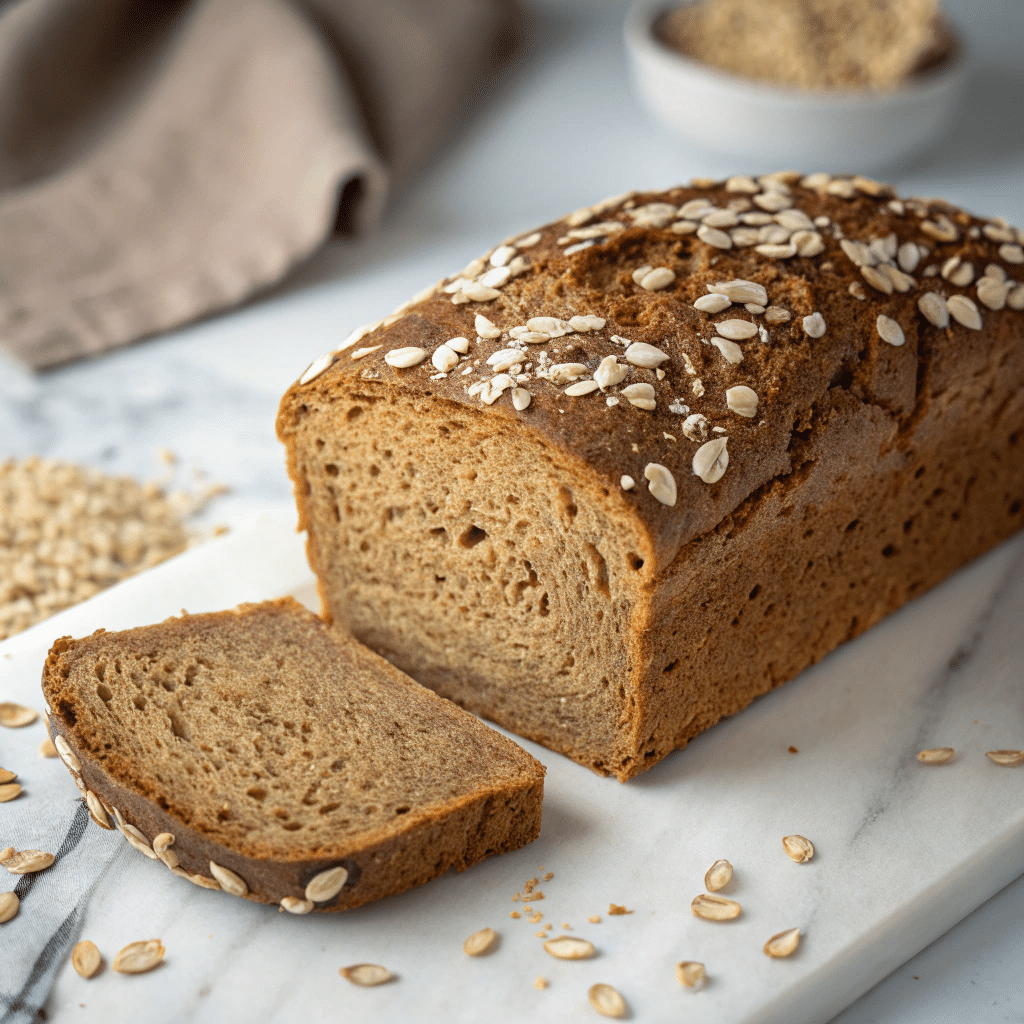
If you’ve ever wanted to bake a wholesome, hearty bread that brings a little slice of Ireland right into your kitchen, then this Irish Brown Bread Recipe is exactly what you need. It’s a wonderfully simple recipe, combining nutty whole wheat flour with the subtle tang of buttermilk and just a hint of honey to balance it all out. The result is a dense yet tender loaf with a rustic crust and a warm, comforting crumb that pairs perfectly with everything from creamy butter to savory stews. Trust me, once you try this Irish Brown Bread Recipe, it’ll become a beloved staple in your baking rotation.

Ingredients You’ll Need
The beauty of this Irish Brown Bread Recipe lies in its simplicity and the straightforward ingredients that come together to create such a satisfying loaf. Each component plays a crucial role, lending flavor, texture, and that classic wholesome feel you expect from traditional Irish bread.
- 2 cups whole wheat flour: This is the heart of the recipe, giving the bread its hearty texture and nutty flavor.
- 1/2 cup all-purpose flour: Adds just enough gluten to help the bread hold its shape while keeping it tender.
- 1 teaspoon baking soda: Acts as a leavening agent, helping the bread rise and develop its soft crumb.
- 1/2 teaspoon salt: Enhances all the other flavors and balances the sweetness.
- 1 cup buttermilk: Brings moisture and a subtle tang that works beautifully with the rustic flours.
- 1 tablespoon honey (optional): Adds a touch of natural sweetness, making the crust slightly golden and the flavor more complex.
How to Make Irish Brown Bread Recipe
Step 1: Preheat the Oven
Start by heating your oven to 425°F (220°C) and greasing a baking sheet. Getting the oven hot upfront ensures the bread gets a nice crusty exterior as soon as it goes in.
Step 2: Mix Dry Ingredients
In a large bowl, whisk together the whole wheat flour, all-purpose flour, baking soda, and salt. Mixing these dry ingredients first evenly distributes the leavening and seasoning throughout the dough.
Step 3: Add Wet Ingredients
Pour in the buttermilk and, if you’re using it, the honey. Stir the mixture just until a slightly sticky dough forms. Don’t overwork it—this keeps the bread tender and prevents it from becoming dense.
Step 4: Shape the Dough
Transfer the dough onto your prepared baking sheet and gently shape it into a round loaf. This rustic round shape is traditional and helps the bread bake evenly.
Step 5: Score the Loaf
Using a sharp knife, score a shallow “X” on the top of the loaf. This not only looks charming but also allows the bread to expand while baking without cracking unevenly.
Step 6: Bake
Bake the bread for 30 to 35 minutes. The bread is done when the crust turns a warm golden brown and it sounds hollow when tapped on the bottom — a classic test that tells you it’s perfectly baked through.
Step 7: Cool
Allow the bread to cool completely before slicing. This step is key because it lets the interior set, making slicing easier and preserving the texture.
How to Serve Irish Brown Bread Recipe
Garnishes
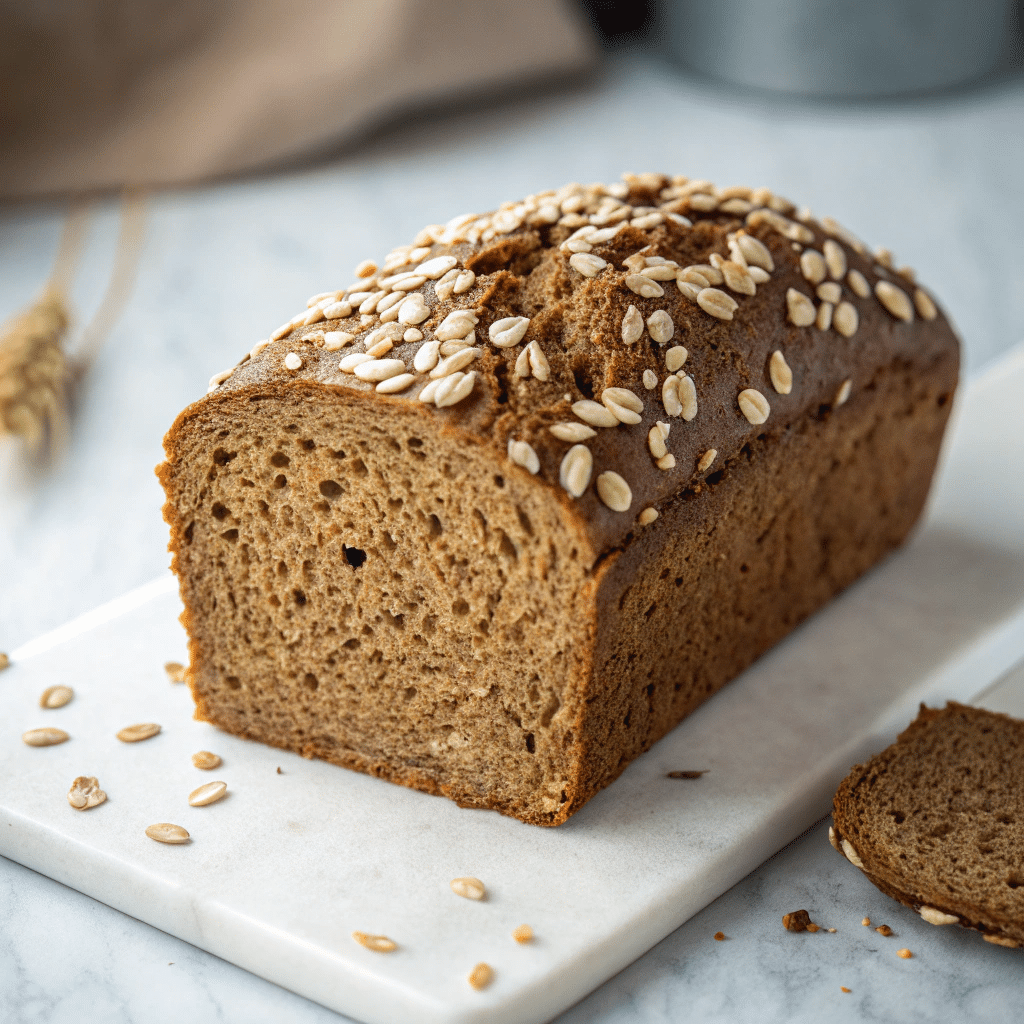
This bread loves a simple spread of salted butter or a drizzle of honey to enhance its nutty flavor. You can also try fresh herbs like chives or rosemary butter for a fragrant twist.
Side Dishes
Irish brown bread is a fantastic companion to hearty soups and stews — think beef and Guinness stew or a classic Irish lamb stew. It also pairs beautifully with smoked salmon and cream cheese for a lighter option.
Creative Ways to Present
Why not use slices of this bread as a base for open-faced sandwiches or hold the ingredients for a rustic bread bowl with warm soup? Toasted slices become the perfect platform for avocado smash or soft cheese spreads.
Make Ahead and Storage
Storing Leftovers
Wrap your Irish brown bread tightly in plastic wrap or place it in an airtight container, keeping it at room temperature to maintain freshness for up to three days. This helps preserve that lovely chewy texture without it drying out.
Freezing
If you want to keep your bread longer, slice it first, then freeze the slices in a sealed bag. This makes it easy to pull out exactly how many slices you need without thawing the entire loaf.
Reheating
To bring frozen or leftover slices back to life, toast them lightly or warm them in an oven preheated to 350°F (175°C) for about 10 minutes. This refreshes the crumb and crispiness of the crust beautifully.
FAQs
Can I make this Irish Brown Bread Recipe without buttermilk?
Yes, if you don’t have buttermilk on hand, you can make a simple substitute by adding one tablespoon of lemon juice or vinegar to a cup of milk. Let it sit for 5 minutes before using. This will mimic the acidity and help with the bread’s rise and flavor.
What’s the difference between Irish brown bread and soda bread?
Irish brown bread generally uses whole wheat flour and sometimes includes honey for sweetness, making it more wholesome and slightly sweeter. Soda bread traditionally relies on baking soda and buttermilk alone and is often made with white flour, resulting in a lighter texture.
Can I add seeds or nuts to this recipe?
Absolutely! Adding sunflower seeds, flaxseeds, or chopped nuts can give your bread wonderful texture and an extra nutty flavor. Just fold them in during the wet ingredient stage.
How do I know when the bread is fully baked?
The best way is to tap the bottom of the loaf—it should sound hollow when done. You can also check for a golden-brown crust and see if a toothpick inserted in the center comes out clean.
Is this bread gluten-free?
This traditional Irish Brown Bread Recipe is not gluten-free because it uses whole wheat and all-purpose flours, both containing gluten. For gluten-free alternatives, you’d need to experiment with different flours and binding agents.
Final Thoughts
This Irish Brown Bread Recipe is one of those delightful treasures that manage to be both everyday simple and uniquely satisfying. It brings a warm, wholesome charm to your table with each slice, inviting you to slow down and savor the simple goodness in life. I can’t wait for you to try baking it yourself and experience the comforting flavors that make this bread so special.
Print
Irish Brown Bread Recipe
- Prep Time: 10 minutes
- Cook Time: 35 minutes
- Total Time: 45 minutes
- Yield: 8 servings
- Category: Bread
- Method: Baking
- Cuisine: Irish
- Diet: Vegetarian
Description
This traditional Irish Brown Bread recipe offers a hearty, rustic loaf made with whole wheat flour and a touch of honey for subtle sweetness. Quick to prepare and baked to a perfect golden crust, it’s an ideal accompaniment to soups, stews, or a simple buttered breakfast.
Ingredients
Dry Ingredients
- 2 cups whole wheat flour
- 1/2 cup all-purpose flour
- 1 teaspoon baking soda
- 1/2 teaspoon salt
Wet Ingredients
- 1 cup buttermilk
- 1 tablespoon honey (optional)
Instructions
- Preheat the Oven: Preheat your oven to 425°F (220°C) and grease a baking sheet to prepare for the bread.
- Mix Dry Ingredients: In a large bowl, combine the whole wheat flour, all-purpose flour, baking soda, and salt thoroughly to ensure even distribution of leavening and seasoning.
- Add Wet Ingredients: Incorporate the buttermilk and honey (if using) into the dry mix. Stir until a sticky dough forms, ensuring not to overmix.
- Shape the Dough: Transfer the dough onto the greased baking sheet and shape it into a round loaf, smoothing the surface with wet hands if necessary.
- Score the Loaf: Using a sharp knife, make a shallow “X” on the top of the loaf. This helps the bread expand evenly while baking.
- Bake: Place the loaf in the preheated oven and bake for 30-35 minutes or until it develops a golden crust and sounds hollow when tapped on the bottom.
- Cool: Remove the bread from the oven and allow it to cool on a wire rack before slicing to ensure the crumb sets properly.
Notes
- For an added nutty flavor, toast the whole wheat flour lightly before mixing.
- Use fresh buttermilk or a milk and vinegar/lemon juice substitute if buttermilk is unavailable.
- Store leftover bread wrapped in a clean kitchen towel at room temperature for up to 3 days.
- To refresh stale bread, warm it slightly in an oven before serving.