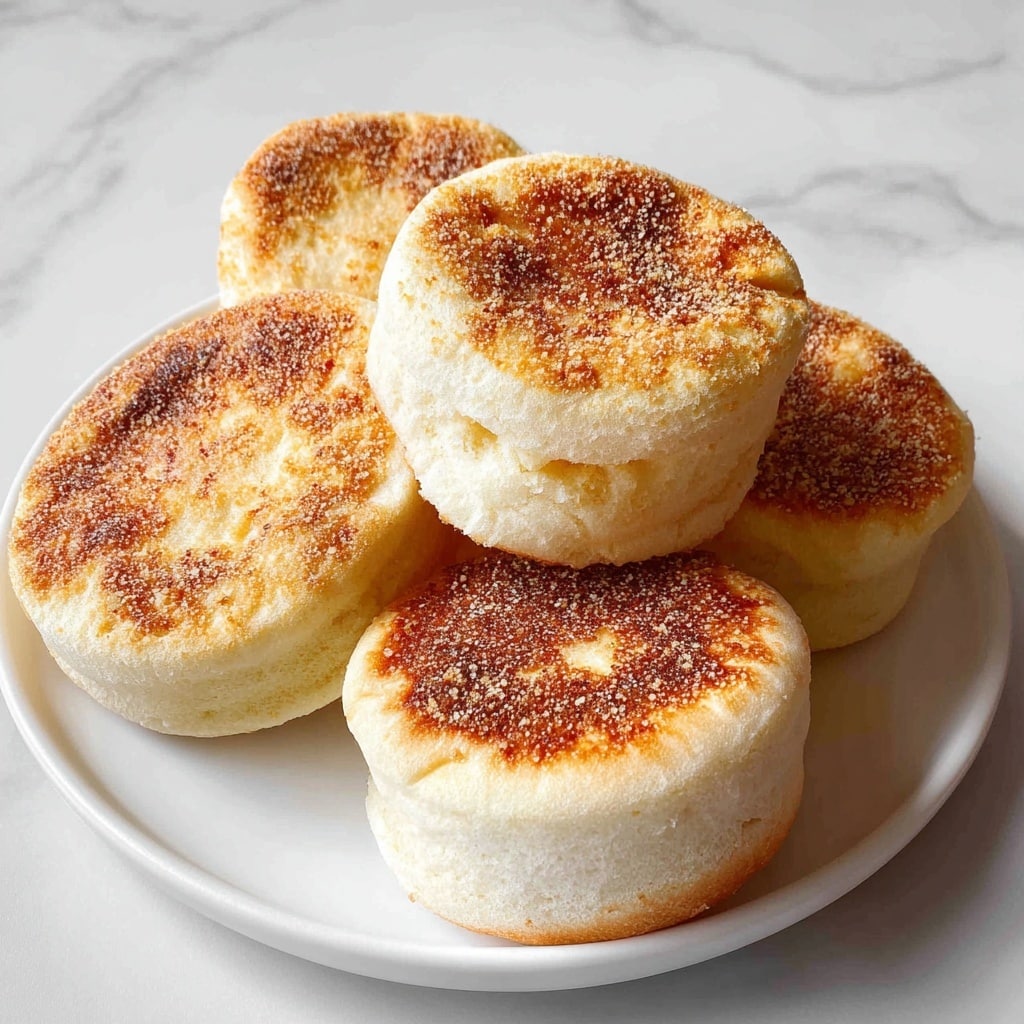
There is something truly magical about waking up to warm, freshly toasted muffins that have been made from scratch. This Homemade English Muffins Recipe is your golden ticket to that perfect breakfast moment. Soft and chewy on the inside with a wonderfully crispy, golden crust sprinkled with cornmeal, these muffins bring that classic English muffin texture and flavor right into your kitchen. Whether you’re a seasoned baker or just dipping your toes into homemade bread, this recipe will lead you to delightful muffins that split open with nooks and crannies perfect for melting butter or jam.

Ingredients You’ll Need
Simple ingredients often create the best dishes, and that couldn’t be more true with this recipe. Each component plays a pivotal role in achieving that authentic taste and texture characteristic of a traditional English muffin.
- 1 ¼ cups warm milk (not hot): The warmth activates the yeast to give your muffins the perfect rise.
- 3 tablespoons melted butter: Adds richness and a tender crumb.
- 1 large egg: Helps bind ingredients and contributes to fluffiness.
- 2 tablespoons sugar: Feeds the yeast and lightly sweetens the dough.
- 2 1/4 teaspoons instant yeast: The essential ingredient that makes the dough rise beautifully.
- 1 teaspoon salt: Balances flavor and enhances the overall taste.
- 3 cups all-purpose flour (spooned and leveled): The structure of your muffins depends on this staple ingredient.
- 1/4 cup cornmeal (for sprinkling): Creates that signature crunch and prevents sticking while cooking.
How to Make Homemade English Muffins Recipe
Step 1: Combine the Wet Ingredients
Start by mixing the warm milk, melted butter, egg, sugar, yeast, and salt in a stand mixer bowl. This combination not only activates the yeast but lays the foundation for a flavorful and tender dough.
Step 2: Add the Flour and Knead
Using the dough hook on medium speed, slowly add the flour and knead for about 7-8 minutes. You’re aiming for a dough that’s smooth, elastic, and just slightly tacky, but not sticky. If it feels too wet, don’t hesitate to add a teaspoon of flour at a time until you reach the perfect texture.
Step 3: Let the Dough Rise
Cover the bowl with a clean towel or plastic wrap and leave it in a warm spot for 60-90 minutes. The dough should double in size, becoming airy and light, signaling that the yeast is hard at work.
Step 4: Prepare Your Baking Surface
Sprinkle cornmeal generously onto a large baking sheet lined with parchment paper. This step is crucial as it not only prevents sticking but also adds to the muffins’ authentic texture.
Step 5: Shape the Muffins
Once risen, punch down the dough gently, then roll it out on a floured surface to about ¾-inch thick. Using a round cutter (about 2 ½ inches), cut out circles and place them spaced apart on the cornmeal-dusted baking sheet.
Step 6: Final Rise Before Cooking
Sprinkle the tops with more cornmeal, cover, and let rise again for about 30 minutes. The muffins should puff up noticeably, making them ready to cook into golden perfection.
Step 7: Cook on the Skillet
Heat a skillet over medium-low heat and lightly grease it with butter. Cook 3 to 4 muffins at a time, giving them space so they don’t stick. Cover and cook for 7-8 minutes on each side until they’re beautifully golden brown. Watch the heat so you don’t burn the bottoms; reducing the heat to low may be necessary.
How to Serve Homemade English Muffins Recipe
Garnishes
Homemade English muffins are a wonderful canvas for a variety of toppings and garnishes. Think creamy butter melting into all those delightful nooks and crannies, a spoonful of your favorite fruit jam, or a drizzle of honey. For a savory option, try topping with cream cheese and chives or avocado slices seasoned with a pinch of salt and pepper.
Side Dishes
These muffins make a brilliant pairing with eggs, whether scrambled, fried, or poached. They also complement breakfast meats like crispy bacon or sausage perfectly. If you’re enjoying a brunch spread, offer them alongside fresh fruit or a lovely salad to balance the meal.
Creative Ways to Present
Feel like spicing things up? Use your Homemade English Muffins as a base for mini breakfast sandwiches stacked with eggs, cheese, and greens. Or make elegant eggs Benedict using these muffins instead of the traditional English muffin to add a homemade touch to a crowd-pleaser. You could even turn them into sweet treat sandwiches by layering with Nutella and sliced bananas!
Make Ahead and Storage
Storing Leftovers
If you have leftover Homemade English Muffins Recipe creations, store them in an airtight container at room temperature for up to two days. This keeps the muffins soft on the inside while retaining the crisp cornmeal texture on the outside.
Freezing
For longer storage, freeze your muffins by wrapping them tightly in plastic wrap and then placing in a freezer bag. This method preserves their freshness for up to three months, letting you enjoy homemade goodness anytime without the fuss.
Reheating
To bring back that warm, toasty magic, slice the muffin and toast it directly from frozen or at room temperature. You can also warm them on a skillet over low heat if you prefer that classic stovetop method, giving back the perfect golden crust and warm, tender crumb.
FAQs
Can I use active dry yeast instead of instant yeast?
Yes, you can! Just be sure to activate active dry yeast in warm water with a pinch of sugar before adding it to the other ingredients. Instant yeast is easier and skips that step, but either will give you great results.
Why is cornmeal used when making English muffins?
Cornmeal provides the English muffins with their signature texture by preventing the dough from sticking during cooking and adding a lovely crunchy exterior. Plus, it brings that nostalgic flavor we all associate with classic English muffins.
How do I know when my dough has risen enough?
Look for a dough that has roughly doubled in size and feels airy and light. When you gently poke it, the indentation should slowly spring back, indicating readiness for the next step.
Can I make these muffins gluten-free?
Traditional all-purpose flour is key to the texture here, but you can experiment with gluten-free blends designed for bread baking. Keep in mind the texture and rise may vary, so adjustments might be needed.
What should I do if my muffins aren’t golden brown after cooking?
If the muffins aren’t browning, try increasing the heat slightly but watch carefully to avoid burning. Cooking times can vary depending on your stove, so patience is key to get that perfect golden crust.
Final Thoughts
If you’ve ever dreamed of mastering the art of warm, homemade muffins that bring so much charm and flavor to breakfast, this Homemade English Muffins Recipe is exactly what you need in your recipe box. With simple ingredients and straightforward steps, you’ll soon be sharing these delightful muffins with friends and family, making mornings extra special. Don’t wait to dive in and create your own batch of golden, fluffy, and utterly irresistible muffins today!
Print
Homemade English Muffins Recipe
- Prep Time: 10 minutes
- Cook Time: 15 minutes
- Total Time: 1 hour 55 minutes
- Yield: 10 English muffins
- Category: Breakfast
- Method: Stovetop
- Cuisine: American
Description
This homemade English muffins recipe promises soft, tender, and slightly chewy muffins with a classic nooks-and-crannies texture. Made from scratch with simple ingredients, these muffins are cooked on the stovetop for a perfectly golden crust and a warm, fluffy interior, ideal for breakfast sandwiches or with butter and jam.
Ingredients
Dough Ingredients
- 1 ¼ cups warm milk (not hot)
- 3 tablespoons melted butter
- 1 large egg
- 2 tablespoons sugar
- 2 ¼ teaspoons instant yeast
- 1 teaspoon salt
- 3 cups all-purpose flour (spooned and leveled)
For Cooking and Finishing
- ¼ cup cornmeal (for sprinkling)
- Butter for greasing the skillet
Instructions
- Mix Wet Ingredients and Yeast: In a stand mixer bowl, combine the warm milk, melted butter, egg, sugar, instant yeast, and salt. Stir to mix the ingredients well and activate the yeast.
- Add and Knead Flour: Attach the dough hook and mix in the all-purpose flour on medium speed for 7-8 minutes until the dough becomes smooth and elastic. The dough should feel slightly tacky but not overly sticky. If too sticky, incorporate up to 1 tablespoon more flour.
- First Rise: Cover the bowl with a cloth and let the dough rise in a warm place for 60 to 90 minutes or until it has doubled in size, allowing the yeast to properly ferment.
- Prepare Baking Sheet: Line a large baking sheet with parchment paper and liberally sprinkle cornmeal over it to prevent sticking and add texture to the muffins’ bottoms.
- Shape Dough: Punch down the risen dough and transfer it onto a generously floured surface. Roll it out to about ¾-inch thickness and use a 2 ½-inch cutter to form circles. Place the circles spaced apart on the prepared baking sheet.
- Second Rise: Sprinkle the tops of the dough rounds with cornmeal, cover loosely, and let them rise again for 30 minutes until they puff noticeably.
- Cook Muffins: Heat a large skillet over medium-low heat and lightly grease it with butter. Place 3 to 4 dough rounds spaced apart in the skillet, cover, and cook each side for 7-8 minutes until golden brown. Adjust heat to low if they begin browning too quickly on the bottoms. Repeat with remaining dough rounds.
Notes
- Ensure milk is warm, not hot, to properly activate the yeast without killing it.
- Use cornmeal generously on the baking sheet and tops for authentic texture and flavor.
- Maintain medium-low to low heat while cooking to avoid burning and ensure muffins cook through evenly.
- For best results, use a non-stick or cast iron skillet to cook the muffins.
- Store muffins in an airtight container and reheat by toasting or warming in a skillet before serving.