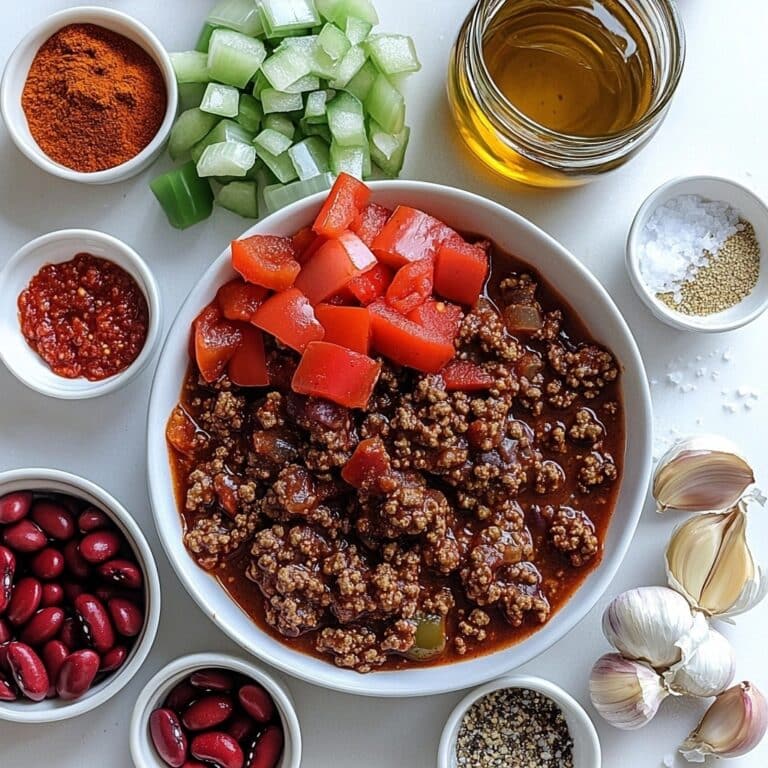

If you have ever dreamed of filling your home with the irresistible aroma of fresh-baked bread, this Homemade Bread Recipe is exactly what you need. It’s a beautifully simple and rewarding way to make soft, golden crusted bread right in your own kitchen. Each bite delivers a tender crumb and just the right hint of sweetness, making it perfect for everything from your morning toast to a cozy dinner accompaniment. Trust me, once you try this recipe, you’ll never want store-bought bread again.

Ingredients You’ll Need
The beauty of this homemade bread lies in its simplicity. Using just a handful of everyday ingredients, each one plays a crucial role: flour provides structure, yeast brings life and fluffiness, sugar feeds the yeast for a gentle rise, salt balances the flavor, and olive oil adds that subtle richness and tenderness.
- 3 1/2 cups all-purpose flour: The foundation of your bread, it gives the dough its structure and chewy texture.
- 1 packet (2 1/4 teaspoons) active dry yeast: This little powerhouse helps the dough rise beautifully and develop flavor.
- 1 cup warm water (about 110°F): Ideal temperature to activate yeast without killing it, ensuring a perfect rise.
- 2 tablespoons granulated sugar: Feeds the yeast while adding a touch of natural sweetness to the crust and crumb.
- 1 teaspoon salt: Enhances the flavor and controls yeast activity for a balanced dough.
- 2 tablespoons olive oil or melted butter: Adds richness and keeps your bread soft and tender.
- Additional flour for dusting: Prevents sticking during kneading, helping form a smooth dough.
How to Make Homemade Bread Recipe
Step 1: Activate the Yeast
Start by dissolving the sugar in the warm water, then sprinkle the active dry yeast on top. Let it rest for 5 to 10 minutes until the surface is foamy and bubbly — this means your yeast is alive and ready to give your bread that beautiful rise. If it doesn’t foam, your yeast might be old or the water too hot or cold.
Step 2: Mix the Dough
In a large bowl, combine the all-purpose flour and salt. Pour in the foamy yeast mixture along with your olive oil or melted butter. Stir everything together until a soft dough forms. It should feel a bit sticky but manageable. This is where the magic begins, as all those simple ingredients start coming together.
Step 3: Knead Until Smooth and Elastic
Turn the dough onto a lightly floured surface and knead for about 8 to 10 minutes. This step is crucial as kneading develops the gluten, which gives your bread structure and that satisfying chewy texture. You’ll know you’re done when the dough feels smooth, elastic, and springs back when pressed.
Step 4: Let it Rise
Grease a bowl lightly, place your dough inside, and turn it over once to coat it with oil. Cover the bowl with a clean cloth or plastic wrap, then let the dough rise in a warm spot for 1 to 1 1/2 hours. It should double in size — that airy, pillowy transformation is what makes homemade bread truly special.
Step 5: Shape and Second Rise
Punch down your risen dough to release excess air, then shape it into a loaf fit for a 9×5-inch greased loaf pan. Cover again and let it rise for another 30 to 45 minutes until it’s just above the rim of the pan. This second rise adds volume and lightness to the finished loaf.
Step 6: Bake to Golden Perfection
Preheat your oven to 375°F. Bake the bread for 25 to 30 minutes until the crust is golden brown. You’ll know it’s done when the loaf sounds hollow if you tap the bottom gently. Remove it from the pan and let it cool completely on a wire rack—patience here will ensure the best crumb when slicing.
How to Serve Homemade Bread Recipe
Garnishes
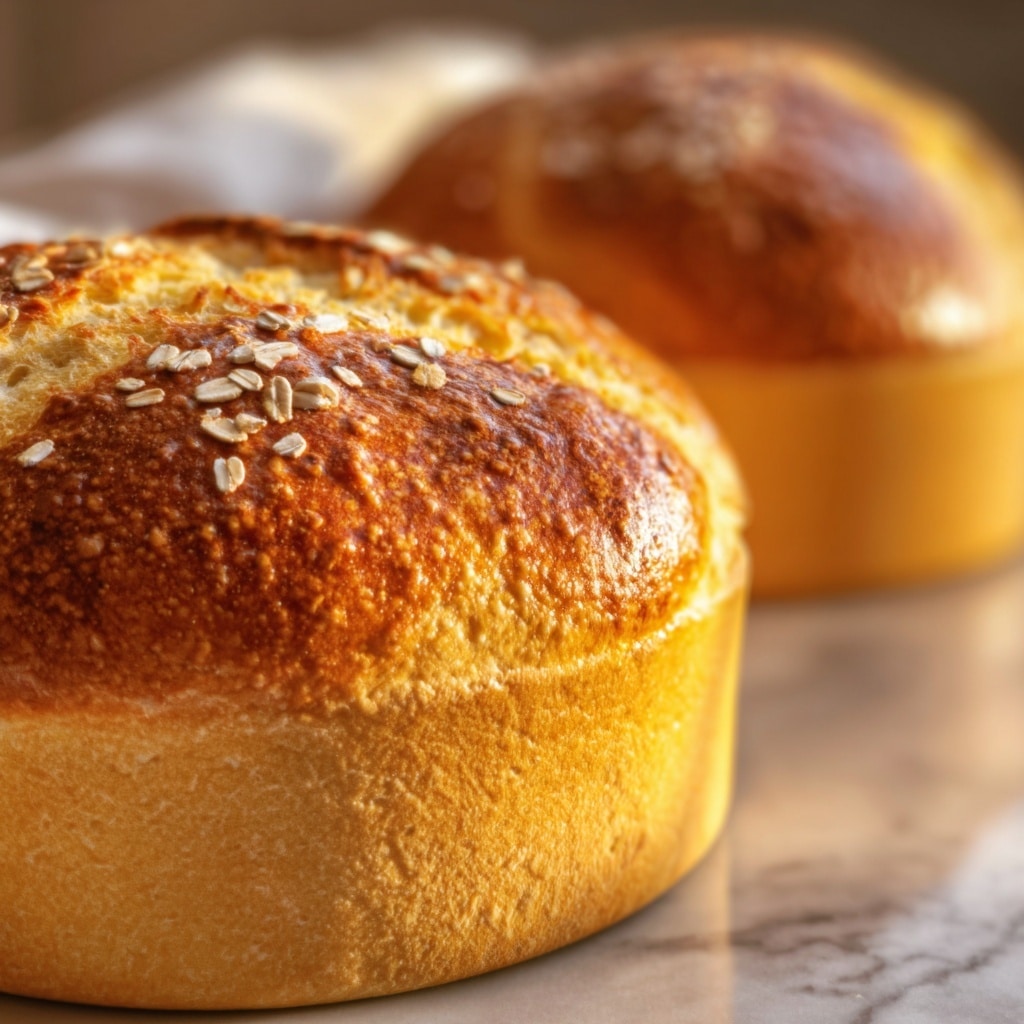
Once your Homemade Bread Recipe loaf is cooled, consider brushing the top with melted butter for a soft, shiny crust that will delight every bite. For an extra touch, sprinkle a little sea salt or poppy seeds before baking for added flavor and texture.
Side Dishes
This bread pairs wonderfully with everything! Think creamy soups, hearty stews, or fresh salads. It’s also perfect alongside charcuterie boards or simply slathered with your favorite jam or nut butter for breakfast.
Creative Ways to Present
Slice your loaf thick for rustic sandwiches or cut into cubes to make homemade croutons bursting with flavor. For a centerpiece, hollow out a loaf and fill it with warm dips or soups—your guests won’t believe how versatile homemade bread can be.
Make Ahead and Storage
Storing Leftovers
You can keep leftover bread at room temperature, wrapped tightly in plastic or placed in an airtight container, for up to three days. This will help maintain freshness and prevent it from drying out too quickly.
Freezing
If you want to save your Homemade Bread Recipe for later, slice it first, then freeze individual pieces in a freezer-safe bag. This way, you can thaw only what you need. Bread freezes beautifully and keeps its flavor and texture well.
Reheating
To bring back that freshly baked warmth, lightly toast slices or reheat the whole loaf in a moderate oven for about 10 minutes. For softer crusts, wrap the bread in foil before warming. This quick step makes your bread taste like it just came out of the oven again.
FAQs
Can I use whole wheat flour instead of all-purpose flour?
Yes, you can substitute whole wheat flour to add more fiber and a nuttier flavor. Keep in mind, whole wheat flour absorbs more water, so you might need to adjust the amount of liquid and your kneading time.
Why did my bread not rise properly?
If your bread didn’t rise as expected, it could be due to old or inactive yeast, water temperature that was too hot or cold, or a drafty environment during rising. Always use fresh yeast and a warm, draft-free spot for the best results.
How can I make the crust softer?
For a softer crust, brush the top of your loaf with melted butter right after baking. You can also cover the bread with a clean towel while it cools to keep moisture in.
Is this recipe suitable for beginners?
Absolutely! This Homemade Bread Recipe is straightforward and forgiving for those new to baking bread. With just a little practice, you’ll be confidently making delicious loaves from scratch in no time.
Can I add herbs or seeds to the dough?
Definitely! Adding herbs like rosemary or thyme, or seeds such as sesame or sunflower, can enhance the flavor and texture. Mix them into the dough during the initial blending stage for an irresistible twist.
Final Thoughts
This Homemade Bread Recipe is more than just a recipe; it’s a delightful experience that fills your kitchen with warmth and your home with the joy of fresh bread made from scratch. I warmly encourage you to give it a try—you’ll be amazed at how rewarding and delicious homemade bread can be. Happy baking!
Print
Homemade Bread Recipe
- Prep Time: 20 minutes
- Cook Time: 30 minutes
- Total Time: 2 hours 20 minutes
- Yield: 1 loaf (about 12 slices)
- Category: Bread
- Method: Baking
- Cuisine: American
- Diet: Vegetarian
Description
This classic Homemade Bread recipe yields a soft, golden loaf with a slightly crisp crust. Utilizing active dry yeast, warm water, and simple pantry ingredients, this bread is perfect for sandwiches, toasts, or enjoying fresh out of the oven. The step-by-step process includes proofing yeast, kneading dough, and baking to perfection, resulting in an inviting loaf that fills your kitchen with a comforting aroma. Ideal for beginner bakers and bread lovers alike.
Ingredients
Dough Ingredients
- 3 1/2 cups all-purpose flour
- 1 packet (2 1/4 teaspoons) active dry yeast
- 1 cup warm water (about 110°F)
- 2 tablespoons granulated sugar
- 1 teaspoon salt
- 2 tablespoons olive oil or melted butter
- Additional flour for dusting
Instructions
- Activate the yeast: In a small bowl, dissolve the granulated sugar in the warm water. Sprinkle the active dry yeast over the surface and let it sit for 5 to 10 minutes until the mixture becomes foamy, indicating the yeast is active.
- Mix dry ingredients: In a large mixing bowl, combine the all-purpose flour and salt thoroughly to ensure even seasoning throughout the dough.
- Form the dough: Add the foamy yeast mixture and olive oil (or melted butter) into the flour mixture. Stir with a spoon until a soft dough begins to form.
- Knead the dough: Transfer the dough onto a lightly floured surface and knead it for 8 to 10 minutes until the dough is smooth, elastic, and slightly tacky but no longer sticky.
- First rise: Lightly grease a large bowl and place the dough inside, turning it once to coat in oil. Cover the bowl with a clean kitchen towel or plastic wrap and let the dough rise in a warm place for 1 to 1 1/2 hours, or until it has doubled in size.
- Shape the loaf: Punch down the risen dough to release excess air. Shape the dough into a loaf by folding and tucking it into a uniform shape that fits your bread pan.
- Second rise: Place the shaped dough into a greased 9×5-inch loaf pan. Cover the pan and let the dough rise again in a warm place for 30 to 45 minutes, or until the dough has risen slightly above the rim of the pan.
- Preheat the oven: Meanwhile, preheat your oven to 375°F (190°C) so it reaches the correct temperature before baking.
- Bake the bread: Bake the loaf in the preheated oven for 25 to 30 minutes, until the crust turns golden brown and the loaf sounds hollow when tapped on the bottom, indicating it is baked through.
- Cool and serve: Remove the bread from the pan and let it cool completely on a wire rack before slicing to allow the crumb to set and prevent crushing the loaf.
Notes
- For a softer crust, brush the top of the loaf with melted butter immediately after baking.
- Bread can be stored at room temperature for up to 3 days, wrapped tightly to maintain freshness.
- For longer storage, freeze the bread in an airtight bag and thaw slices as needed.