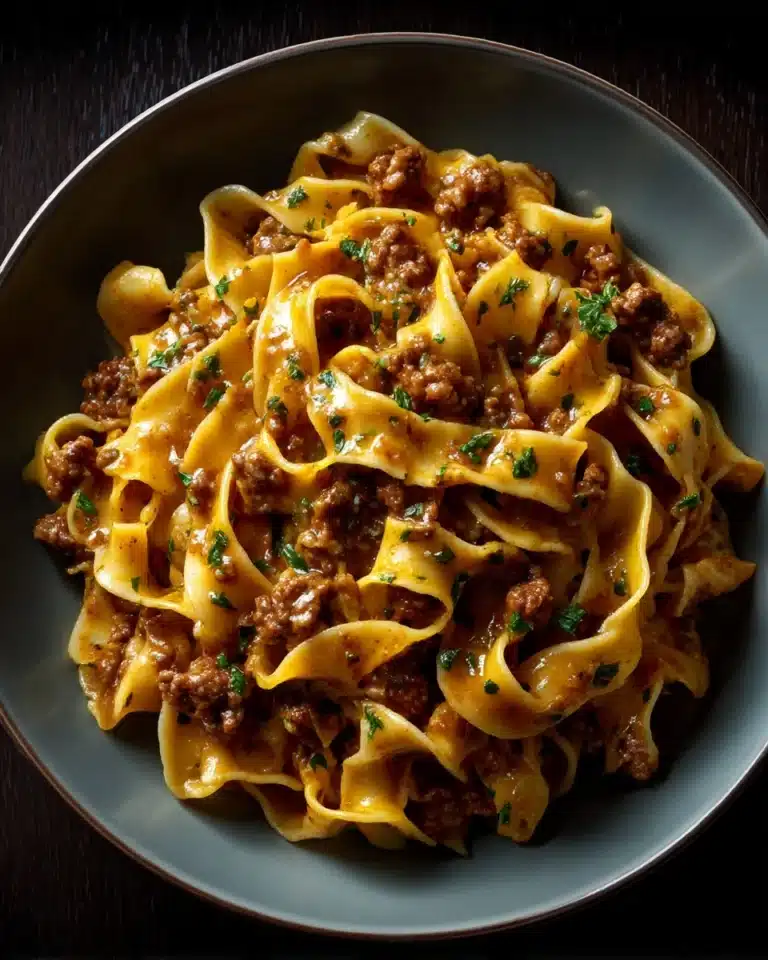

If you’ve ever wanted to impress friends and family with a dish that feels both luxurious and comforting, the Easy Korean Japchae with Beef and Glass Noodles Recipe is your golden ticket. This vibrant stir-fry blends tender beef, silky glass noodles, and a colorful array of vegetables all tossed in a sweet-savory sauce that will have you craving seconds. It’s a dish bursting with texture, flavor, and warmth, perfect for introducing yourself to Korean cooking or simply brightening up any weeknight dinner.

Ingredients You’ll Need
These ingredients are refreshingly simple but essential to capturing the true soul of this Easy Korean Japchae with Beef and Glass Noodles Recipe. Each one brings a unique touch—whether it’s the chewy noodles providing the perfect texture or the sweet soy glaze elevating every bite.
- Thin-sliced beef: Choose tender cuts for quick cooking and juicy bites that pair beautifully with the noodles.
- Korean sweet potato noodles (glass noodles): These translucent noodles have a delightfully chewy texture that soaks up flavor like a sponge.
- Carrots: Julienned for vibrant color and a natural sweetness that balances the soy sauce.
- White onion: Thinly sliced to soften and add aromatic depth to the dish.
- Green onions: Chopped and sprinkled in to add a fresh, mild onion flavor and a pop of green color.
- Garlic cloves: Minced and essential for that irresistible, fragrant kick.
- Spinach leaves: Added at the end for a tender, leafy touch and a boost of nutrients.
- Sesame oil: Divided between cooking and seasoning, it adds a wonderfully nutty aroma and richness.
- Olive oil: Used for cooking the noodles and vegetables, offering a mild, smooth base flavor.
- Soy sauce (or tamari): The key to that sweet-savory profile, balancing the brown sugar perfectly and bringing everything to life.
- Brown sugar: Introduces a subtle caramel note that complements the salty soy sauce and tender beef.
How to Make Easy Korean Japchae with Beef and Glass Noodles Recipe
Step 1: Cook the Noodles
Start by bringing a large pot of water to a boil with a drizzle of olive oil to keep the noodles from sticking together. Add the Korean sweet potato noodles and cook for just 5-6 minutes until they’re tender but still have a bit of chew. Drain thoroughly and set them aside, ready for the vibrant combination of flavors to come.
Step 2: Cook the Beef
In a hot skillet over high heat, quickly cook your thin-sliced beef until it’s beautifully browned on all sides. As it cooks, season it with half the soy sauce, sesame oil, and brown sugar—this step lets the beef soak up all that sweet-savory goodness. Once done, remove it from the skillet and set aside to keep warm.
Step 3: Sauté the Vegetables
Using a clean skillet, heat olive oil and add the julienned carrots and thinly sliced onions. Cook them gently until they soften, releasing their natural sweetness. Then, add the remaining soy sauce, sesame oil, and brown sugar for a delicious glaze. Stir in the minced garlic and chopped green onions, cooking just for another minute to layer in that irresistible aroma.
Step 4: Add the Spinach
Finally, toss in the spinach leaves and stir until they wilt down perfectly, adding a fresh and tender component that brightens the entire dish. Spinach not only adds vibrant green color but also a wonderful lightness to balance the rich flavors.
Step 5: Combine Ingredients
Now comes the magic moment: combine the cooked beef and sautéed vegetables with the glass noodles in a large bowl. Toss everything together thoroughly to make sure that every strand and bite is dressed in the glossy, flavorful sauce that defines this Easy Korean Japchae with Beef and Glass Noodles Recipe.
Step 6: Serve
Serve your japchae while it’s still warm, and if you like, garnish with extra chopped green onions or a sprinkle of toasted sesame seeds for a little extra crunch and visual appeal. This dish is best enjoyed fresh, where its textures and flavors shine brightest.
How to Serve Easy Korean Japchae with Beef and Glass Noodles Recipe
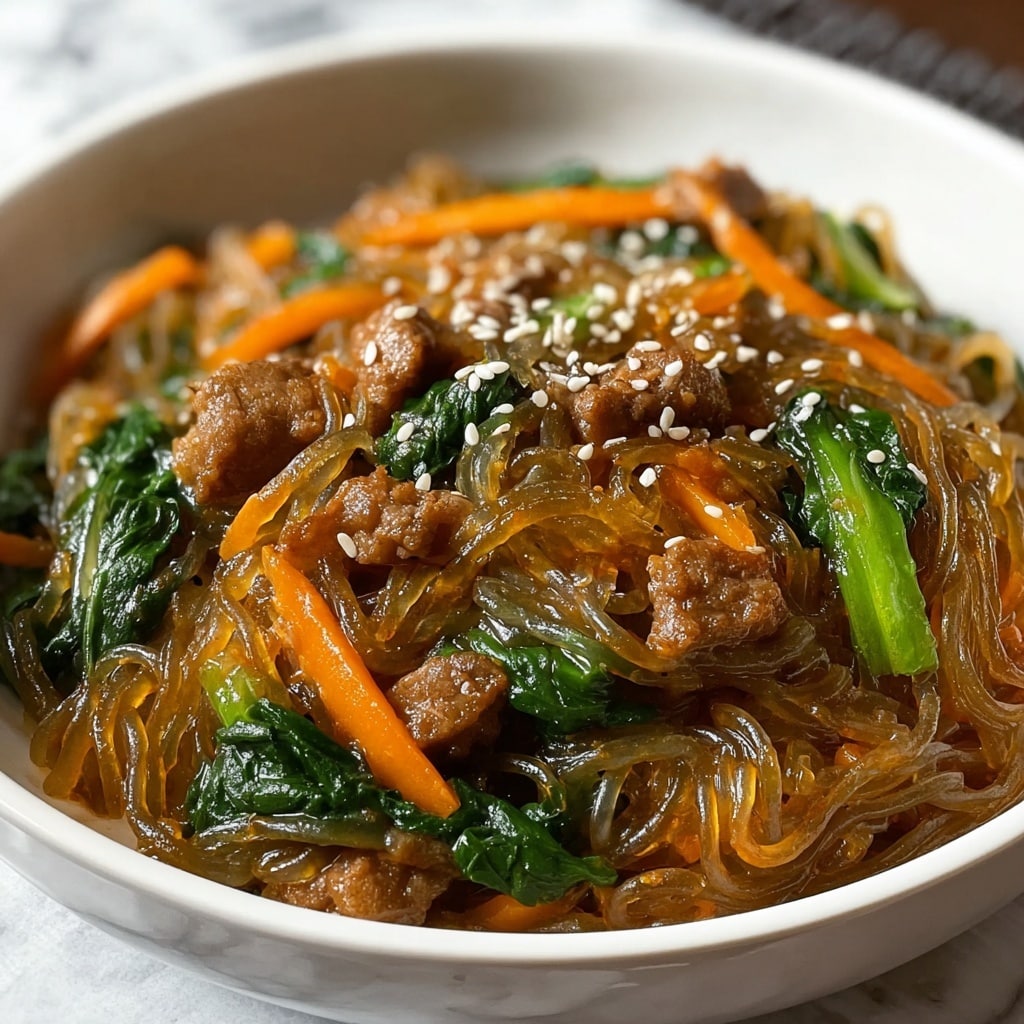
Garnishes
Adding a sprinkle of toasted sesame seeds and some extra chopped green onions brings a delightful contrast in texture and enhances the nutty aroma. You can even throw on a few thinly sliced red chili peppers to add a gentle heat that complements the sweetness perfectly.
Side Dishes
Japchae pairs beautifully with classic Korean sides like kimchi or pickled radish, which add a zesty, tangy kick to balance the dish’s sweetness. A steamed bowl of jasmine rice or a light seaweed soup also makes a wonderful accompaniment to round out your meal.
Creative Ways to Present
For a fun presentation, try serving japchae in banana leaf cups or inside lettuce wraps to add a fresh crunch. It’s also great chilled as a noodle salad for picnics or potlucks, offering a versatile way to enjoy this classic with a bit of a twist.
Make Ahead and Storage
Storing Leftovers
Store any leftover japchae in an airtight container in the refrigerator for up to 3 days. Keeping the noodles separate from garnish until serving helps maintain freshness and texture.
Freezing
While japchae tastes best fresh, you can freeze leftovers by placing them in a freezer-safe container for up to one month. Thaw completely in the fridge before reheating to preserve the integrity of the noodles and vegetables.
Reheating
Reheat japchae gently in a skillet over medium-low heat with a splash of water or a little sesame oil to prevent sticking. Avoid the microwave if possible, as it can make the noodles clump or become overly soft. Stir frequently until warmed through and ready to enjoy again.
FAQs
Can I substitute the beef with other proteins?
Absolutely! This Easy Korean Japchae with Beef and Glass Noodles Recipe works beautifully with chicken, tofu, or shrimp. Just adjust cooking times accordingly so your protein is perfectly cooked and tender.
Are sweet potato noodles gluten-free?
Yes, Korean sweet potato noodles are naturally gluten-free, making this dish suitable for gluten-free diets when you use tamari instead of soy sauce.
How can I make japchae vegetarian?
Simply omit the beef and replace the soy sauce with a vegetarian-friendly version. Adding extra mushrooms or tofu can boost protein and keep the dish hearty and satisfying.
What is the best way to julienne the vegetables?
Use a sharp knife to cut vegetables into thin matchstick strips, or use a mandoline slicer for uniform pieces that cook evenly and look appealing in the final dish.
Can japchae be served cold?
Yes! Japchae is delicious served cold or at room temperature, making it a perfect dish for lunchboxes or summer meals. Just toss it lightly with a bit more sesame oil before serving.
Final Thoughts
This Easy Korean Japchae with Beef and Glass Noodles Recipe is truly one of those dishes that feels special but comes together without a hitch. It’s a perfect balance of textures and flavors that brings joy with every bite. Once you try it, japchae will become one of those comforting classics you’ll want to share over and over. Give it a go—you won’t regret it!
Print
Easy Korean Japchae with Beef and Glass Noodles Recipe
- Prep Time: 15 minutes
- Cook Time: 20 minutes
- Total Time: 35 minutes
- Yield: 4 to 4 servings
- Category: Main Course
- Method: Stovetop
- Cuisine: Korean
Description
Japchae is a classic Korean stir-fried noodle dish featuring sweet potato glass noodles mixed with tender beef, fresh vegetables, and a savory-sweet sauce made from soy sauce and sesame oil. This flavorful and colorful dish can be customized with chicken, tofu, or shrimp, making it a versatile and crowd-pleasing meal perfect for lunch or dinner.
Ingredients
Main Ingredients
- 2 lb thin-sliced beef (or substitute with chicken, tofu, or shrimp)
- 1 lb Korean sweet potato noodles (glass noodles)
- 3 medium carrots, julienned
- 1 large white onion, thinly sliced
- ½ bunch green onions, chopped
- 6 garlic cloves, minced
- ½ lb spinach leaves
Sauce and Oils
- 4 tbsp sesame oil (divided)
- 1 tbsp olive oil
- 6 tbsp soy sauce (or tamari for gluten-free)
- 3 tbsp brown sugar
Instructions
- Cook the Noodles: Bring a large pot of water to a boil with a drizzle of olive oil. Add the Korean sweet potato noodles and cook for 5-6 minutes until tender but chewy. Drain thoroughly and set the noodles aside to prevent them from sticking.
- Cook the Beef: Heat a skillet over high heat and add the thin-sliced beef. Cook until browned and cooked through. While cooking, season the beef with half of the soy sauce, half of the sesame oil, and half of the brown sugar to infuse flavor. Once done, remove the beef from the skillet and set it aside.
- Sauté the Vegetables: In another skillet, warm the olive oil over medium heat. Add the julienned carrots and thinly sliced onion, sautéing them until they soften and slightly caramelize. Then, add the remaining soy sauce, sesame oil, and brown sugar. Stir well, add minced garlic and chopped green onions, and cook for an additional minute to meld flavors.
- Add the Spinach: Toss in the spinach leaves and stir continuously until the spinach wilts but retains its bright green color. This usually takes a few minutes.
- Combine Ingredients: In a large bowl, combine the cooked noodles, sautéed vegetables, and browned beef. Toss all the ingredients thoroughly to evenly distribute the flavors and sesame oil.
- Serve: Serve the Japchae warm, optionally garnished with extra chopped green onions for freshness and color. This dish pairs well with steamed rice or as a standalone meal.
Notes
- You can substitute beef with chicken, tofu, or shrimp for different variations.
- Soaking the noodles in cold water before boiling can help prevent sticking.
- Use gluten-free tamari instead of soy sauce for a gluten-free version.
- Adjust the brown sugar amount to your preferred sweetness level.
- Japchae is best enjoyed fresh but can be refrigerated and reheated gently.