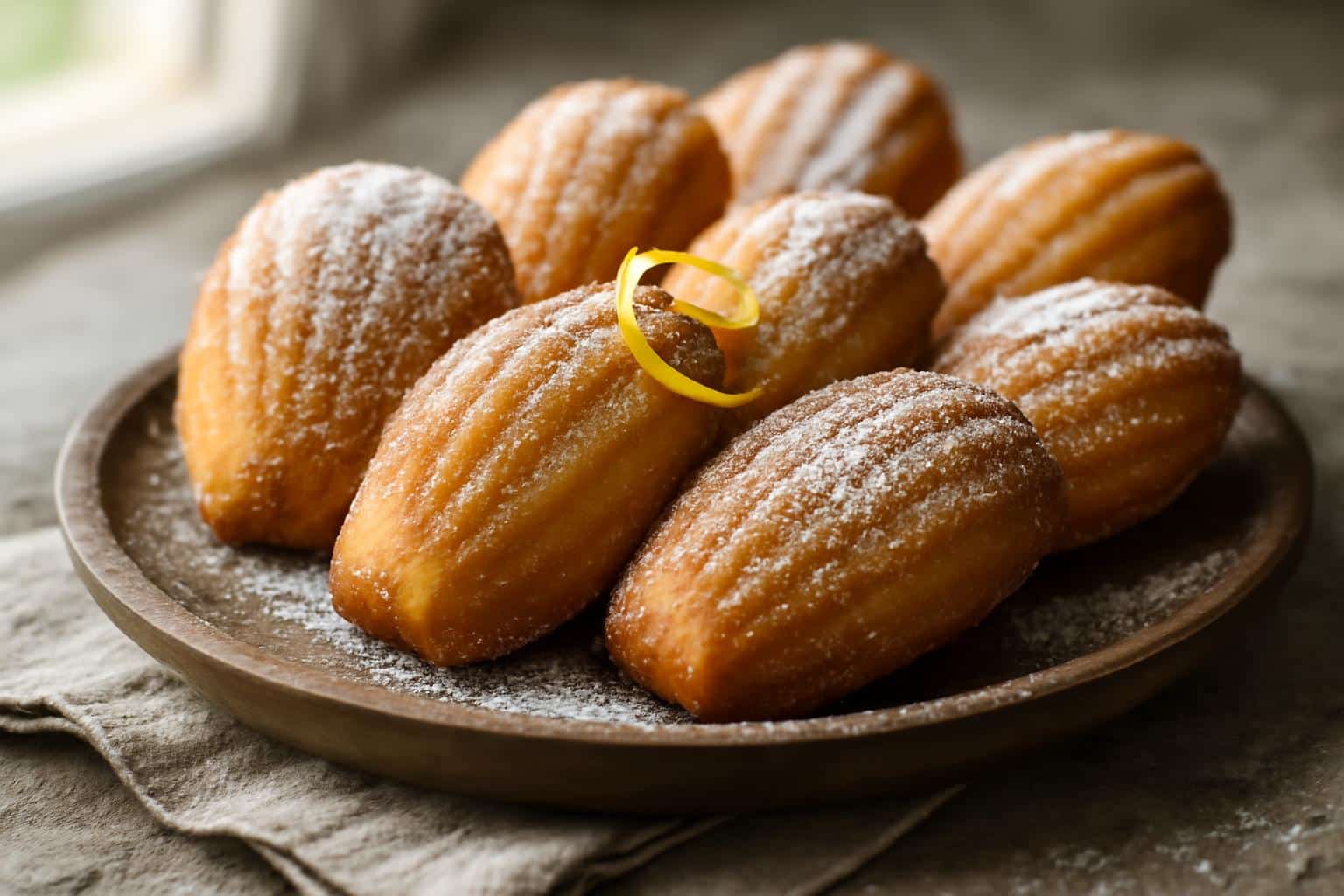
There’s something truly delightful about biting into a classic French madeleine—crispy on the outside, tender and buttery on the inside. If you’ve been searching for an easy way to bring this timeless treat into your kitchen, you’re in the right place. This easy classic French madeleines recipe is designed to give you perfectly crispy, golden little cakes every time.

Madeleines are small sponge cakes with a shell-like shape, famous in French patisseries. With just a handful of simple ingredients and straightforward steps, you can master these elegant treats that impress both in flavor and texture. Let’s get baking!
Why You’ll Love This Recipe
- Produces perfectly crispy edges with a tender crumb every time
- Uses simple pantry staples in easy-to-follow steps
- Quick prep and baking time—ready in under an hour
- Classic flavor enhanced by fresh lemon zest and vanilla
- Great for snacks, tea time, or elegant dessert plates
Ingredients
Gather these straightforward ingredients to create your classic French madeleines. Fresh lemon zest and good-quality butter make a big flavor difference.
- 3/4 cup all-purpose flour, sifted
- 1/2 teaspoon baking powder
- 1/4 teaspoon fine salt
- 2 large eggs, room temperature
- 1/2 cup granulated sugar
- 1 teaspoon pure vanilla extract
- 1 tablespoon fresh lemon zest
- 1/2 cup unsalted butter, melted and cooled
- Powdered sugar (optional, for dusting)
Recipe Details
- Prep Time: 15 minutes
- Cook Time: 10-12 minutes
- Total Time: 27 minutes
- Servings: 12 madeleines
- Calories: Approximately 120 per madeleine
How to Make Easy & Best Homemade Classic French Madeleines Recipe for Perfectly Crispy Treats
- Preheat your oven to 375°F (190°C) and generously butter a madeleine pan, then dust with flour to prevent sticking.
- In a small bowl, whisk together the sifted flour, baking powder, and salt; set aside.
- In a large mixing bowl, beat the eggs and granulated sugar using a hand mixer on high speed until pale, thick, and fluffy—about 5 minutes. This aeration is key for light, tender cakes.
- Gently fold in the vanilla extract and fresh lemon zest, then carefully fold in the dry ingredients until just combined—avoid overmixing.
- Slowly drizzle in the melted butter and fold it in until the batter is smooth and glossy.
- Cover the batter and refrigerate it for 30 minutes to help develop the signature hump on the madeleines when baking.
- Spoon the chilled batter into the prepared madeleine pan, filling each mold about 3/4 full.
- Bake for 10-12 minutes, or until the edges are golden brown and the centers spring back lightly when touched.
- Remove from the oven and immediately tap the pan on the counter to loosen the madeleines. Cool on a wire rack, then dust with powdered sugar if desired before serving.
Tips for the Best Results
- Use room temperature eggs to ensure better volume when beating with sugar.
- Chilling the batter is crucial for achieving the classic hump shape.
- Be careful not to overmix once the flour is added to avoid tough cakes.
- Butter and flour your pan thoroughly to prevent sticking and preserve the delicate shapes.
- Serve fresh or the same day for the best texture; madeleines lose crispness over time.
Storage and Reheating
Store your madeleines in an airtight container at room temperature for up to 2 days to keep them fresh and crisp. For longer storage, freeze in a sealed bag or container for up to 2 weeks.
To reheat, let frozen madeleines thaw at room temperature, then warm them in a 300°F oven for 5 minutes to revive their crisp edges and buttery aroma—avoid microwaving as it makes them soggy.
Frequently Asked Questions
What makes madeleines different from regular cupcakes?
Madeleines are lighter, smaller, and have a distinctive shell shape with a delicate crispy edge and a tender crumb. Unlike cupcakes, they don’t use a frosting and rely on specific batter preparation and baking techniques.
Can I use a different flavor instead of lemon zest?
Absolutely! Orange zest, almond extract, or even a touch of lavender can be substituted to create different flavor profiles while keeping the classic texture.
Why do I need to chill the batter before baking?
Chilling the batter solidifies the butter and helps the cakes develop their signature hump when baked. It also improves the texture and flavor by allowing the ingredients to meld.
How do I prevent my madeleines from sticking to the pan?
Make sure to thoroughly butter each mold and dust with flour, tapping out the excess. This creates a non-stick surface crucial for easy release of the delicate cakes.