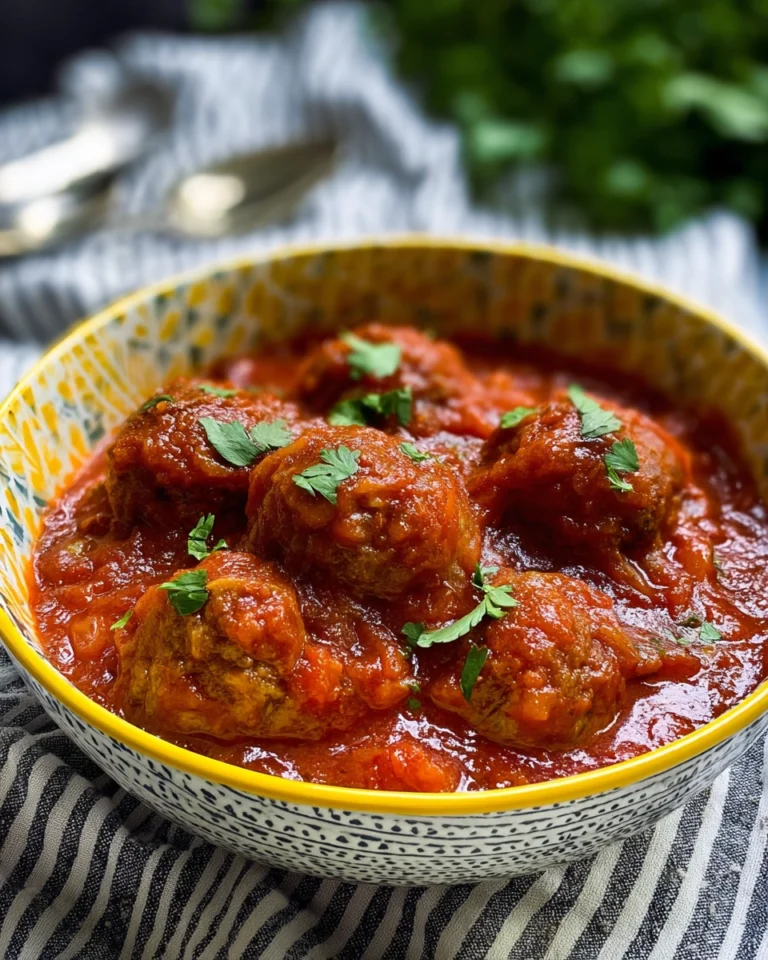

If you’re dreaming of a hearty, soul-warming meal that feels like a big, cozy hug, then this Classic Beef Stew Recipe is about to become your new go-to comfort food. Rich, tender chunks of beef lovingly braised in a robust blend of red wine, beef stock, and aromatic vegetables create a symphony of flavors that will fill your kitchen with irresistible aromas. This stew is the perfect companion for chilly evenings or anytime you crave a meal that tastes like home on a plate. Trust me, once you make this Classic Beef Stew Recipe, it will steal a permanent place in your heart and dinner rotation.

Ingredients You’ll Need
Gathering your ingredients is simpler than you might think, and each one plays a crucial role in building the stew’s deep flavor and satisfying texture. From the aromatics to the herbs and the hearty vegetables, these essentials come together to create a stew that’s rich, balanced, and beautifully comforting.
- Flour: Helps give the beef a nice crust and thickens the stew as it cooks.
- Paprika: Adds a subtle smoky warmth and vibrant color to the coating.
- Salt and black pepper: Basic but essential for seasoning and enhancing natural flavors.
- Beef chuck (3 pounds): A flavorful, well-marbled cut perfect for slow braising to tender perfection.
- Olive oil (4 tablespoons): Used for searing beef and sautéing vegetables, contributing a smooth richness.
- White onion: Brings sweetness and depth to the aromatic base.
- Green bell pepper: Offers a fresh, slightly crisp contrast or jalapenos for a spicy kick.
- Celery stalk: Adds a subtle herbal note and crunchy texture early on.
- Garlic cloves: Infuses the stew with a warm, pungent aroma that’s key to hearty cooking.
- Tomato paste: Concentrates savory flavors and helps thicken the stew with a touch of acidity.
- Red wine (2 cups): Brings complexity and richness; can be swapped with beef stock if you prefer.
- Beef stock (2 cups): Builds the stew’s savory, meaty base.
- Worcestershire sauce: Adds depth and a tangy, umami punch.
- Italian seasoning: A mix of herbs that uplifts the stew’s flavor profile beautifully.
- Bay leaves: Lend subtle aromatic notes that round out the dish.
- Yellow potatoes: Offer creamy chunks that soak up all those luscious juices.
- Carrots: Provide natural sweetness and a hearty bite to balance the savory broth.
How to Make Classic Beef Stew Recipe
Step 1: Prepare the Coating
Begin by mixing flour, paprika, salt, and pepper in a large bowl. Dipping each beef chunk in this mixture creates a flavorful crust when you sear the meat while also helping to thicken the stew later on. This simple step sets the foundation for that rich, tantalizing texture we all love.
Step 2: Sear the Beef
Heat one tablespoon of olive oil in a heavy-bottomed pot or Dutch oven over medium-high heat. Brown the beef chunks in batches, turning each piece to develop an even, caramelized crust. Adding a bit of olive oil before each batch prevents sticking and keeps the beef evenly browned. This caramelization step locks in juices and packs incredible flavor into the stew.
Step 3: Sauté the Aromatics
Remove the browned beef and add the remaining olive oil to the pot. Toss in the chopped onion, green bell pepper, and celery. Sauté for about five minutes, stirring occasionally until the vegetables soften and release their fragrant aromas—the olfactory hint your stew is coming alive.
Step 4: Add Garlic and Tomato Paste
Stir in the garlic and tomato paste, cooking for another minute or so. The tomato paste darkens slightly and melds perfectly with the garlic, creating a rich, savory base that adds depth and a hint of tanginess to the stew’s developing flavor.
Step 5: Deglaze the Pot
Pour in the red wine, beef stock, and Worcestershire sauce, using a wooden spoon to scrape up every bit of browned residue left from searing the beef. Those caramelized bits are packed with umami magic and make your stew taste like it was slow-cooked for hours—even in these early moments!
Step 6: Combine Ingredients
Return the beef and any accumulated juices to the pot. Add the Italian seasoning and bay leaves, stirring everything together. Make sure the beef is covered by the flavorful liquid—the slow, even braise will transform the meat into melt-in-your-mouth goodness.
Step 7: Braise the Stew
Bring the pot to a boil on the stove, then reduce heat to low and cover. Let your stew simmer gently for two hours. This slow-cooking process is where the magic happens—beef becomes tender and the flavors meld into a harmonious, comforting medley.
Step 8: Add Vegetables
After two hours, add the potatoes and carrots to the pot. Continue simmering uncovered for another hour, allowing the vegetables to soften just enough to absorb those rich stew juices while the broth thickens to a luscious consistency.
Step 9: Rest and Serve
Remove the stew from heat and, if you can resist, cool and refrigerate overnight for the most vibrant and developed flavors. When it’s time to enjoy, gently reheat the stew on the stovetop and savor each hearty, comforting bite of this Classic Beef Stew Recipe masterpiece.
How to Serve Classic Beef Stew Recipe
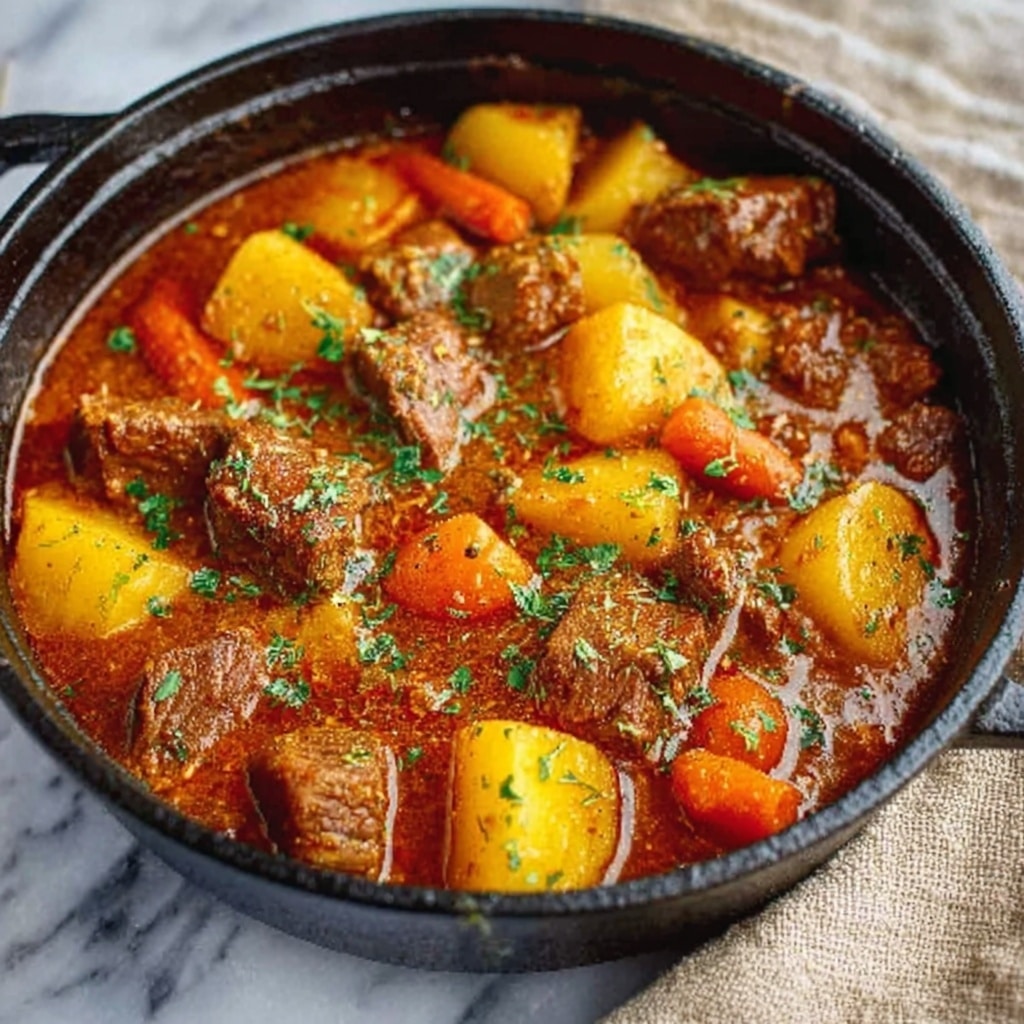
Garnishes
Fresh herbs like chopped parsley or thyme sprinkled on top add a burst of color and brightness that contrasts deliciously with the rich stew. A dollop of sour cream or a drizzle of olive oil can also provide a silky, cooling finish if you want to elevate the presentation.
Side Dishes
The best side dishes complement without overpowering the stew’s deep flavors. Crusty bread or buttery dinner rolls are perfect for soaking up every last drop. A simple green salad or roasted Brussels sprouts add a fresh, crunchy contrast.
Creative Ways to Present
Serve the stew in rustic bread bowls for a charming, edible container that’s fun and hearty. Alternatively, ladle the stew over creamy mashed potatoes or buttered egg noodles to turn it into a different but equally indulgent comfort meal.
Make Ahead and Storage
Storing Leftovers
This stew tastes even better the next day, so store leftovers in an airtight container in the refrigerator for up to 3 days. The flavors will deepen and come together beautifully, making for an effortless and satisfying meal later on.
Freezing
Classic Beef Stew Recipe freezes wonderfully. Cool it completely before transferring to freezer-safe containers, and freeze for up to 3 months. When you need a quick dinner, just thaw overnight in the fridge and reheat gently.
Reheating
For the best texture and flavor, reheat the stew slowly on the stovetop over low heat, stirring occasionally until steaming hot. Avoid microwaving if you want to keep the beef tender and the broth silky smooth.
FAQs
Can I use a different cut of beef for this Classic Beef Stew Recipe?
Absolutely! While beef chuck is ideal due to its marbling and tenderness when slow-cooked, you can also use brisket or round roast. Just make sure to adapt cooking times as leaner cuts may cook faster and need less braising.
Is it necessary to use red wine in the stew?
Red wine adds depth and complexity, but if you prefer not to use alcohol, substitute an equal amount of beef stock. The stew will still be flavorful and rich in character.
How do I make this stew spicier?
Swap the green bell pepper for jalapenos or add a pinch of red chili flakes with the garlic. Customize the heat level to your preference without overpowering the dish’s balance of flavors.
Can I prepare the stew in a slow cooker?
Yes! After searing the beef and sautéing the vegetables, transfer everything to a slow cooker. Cook on low for 7 to 8 hours or high for 4 to 5 hours. Add the potatoes and carrots halfway through cooking to keep them from getting too soft.
Why does the stew taste better the next day?
Allowing the stew to rest overnight gives all the flavors time to meld and intensify, creating a richer, more harmonious taste than freshly made stew. It’s a classic trick to elevate your comfort food.
Final Thoughts
There’s truly nothing like coming home to a warm bowl of Classic Beef Stew Recipe that’s been simmered with love and patience. This recipe isn’t just a meal; it’s an experience—bringing comfort, nostalgic warmth, and hearty satisfaction to your table. I wholeheartedly encourage you to try this recipe soon; you might just find your family’s new favorite dinner tradition.
Print
Classic Beef Stew Recipe
- Prep Time: 30 minutes
- Cook Time: 3 hours
- Total Time: 3 hours 30 minutes
- Yield: 6 servings
- Category: Main Course
- Method: Baking
- Cuisine: American
Description
This Classic Beef Stew is a hearty, comforting dish featuring tender chunks of beef slow-braised with aromatic vegetables, rich red wine, and savory herbs. Perfect for a cozy meal, the stew is enriched with potatoes and carrots, creating a flavorful and satisfying feast that deepens in taste when allowed to rest overnight.
Ingredients
Meat and Coating
- 1/4 cup flour
- 1 tablespoon paprika
- 1 teaspoon salt (or to taste)
- 1 teaspoon black pepper
- 3 pounds beef chuck, cut into 1.5 inch chunks
Vegetables and Aromatics
- 1 large white onion, chopped
- 1 green bell pepper, chopped (or jalapenos for a spicier version)
- 1 stalk celery, chopped
- 5 garlic cloves, chopped
- 1 pound yellow potatoes, cut into bite-sized pieces
- 3 large carrots, cut into bite-sized pieces
Liquids and Seasonings
- 4 tablespoons olive oil, divided
- 3 tablespoons tomato paste
- 2 cups red wine (such as Cabernet Sauvignon; beef stock may be substituted)
- 2 cups beef stock
- 1 tablespoon Worcestershire sauce
- 1 tablespoon Italian seasoning (your favorite dried herb blend)
- 2 bay leaves
Instructions
- Prepare the Coating: In a large bowl, combine the flour, paprika, salt, and black pepper. Dip each beef chunk lightly into the mixture, coating all sides to create a seasoned crust that will help the meat brown beautifully.
- Sear the Beef: Heat 1 tablespoon of olive oil in a Dutch oven or heavy-bottomed pot over medium-high heat. Sear the coated beef chunks in batches, turning to brown all sides evenly, about 5 minutes per batch. Transfer each batch to a plate, adding more oil before the next batch to prevent sticking and ensure even browning.
- Sauté the Aromatics: Add the remaining tablespoon of olive oil to the empty pot. Stir in the chopped onion, green bell pepper, and celery. Cook, stirring occasionally, until vegetables soften and become fragrant, about 5 minutes.
- Add Garlic and Tomato Paste: Stir in the chopped garlic and tomato paste. Cook constantly for about 1 minute until the tomato paste darkens slightly and melds with the vegetables.
- Deglaze the Pot: Pour the red wine, beef stock, and Worcestershire sauce into the pot. Use a wooden spoon to scrape any browned bits from the bottom, infusing the stew with deep, rich flavor.
- Combine Ingredients: Return the browned beef and any juices collected on the plate back to the pot. Add Italian seasoning and bay leaves. Stir well to submerge the beef completely in the liquid.
- Braise the Stew: Bring the mixture to a boil, then reduce heat to low and cover the pot. Let simmer gently for 2 hours to tenderize the beef and allow flavors to meld.
- Add Vegetables: Remove the lid and add potatoes and carrots to the pot. Continue to simmer uncovered for 1 hour, or until vegetables are tender and beef is fork-tender. If needed, extend cooking time for desired tenderness.
- Rest and Serve: Remove stew from heat. For best flavor, cool and refrigerate overnight to deepen flavors. Reheat gently on stovetop before serving hot.
Notes
- For a spicier stew, substitute green bell pepper with jalapenos as suggested.
- Using a heavy-bottomed pot or Dutch oven helps in even heat distribution for better braising.
- Allowing the stew to rest overnight enhances the flavor significantly.
- If red wine is not preferred, replace it with additional beef stock.
- Adjust salt to taste during seasoning and at the end.
- Make sure to brown the beef in batches to avoid overcrowding and ensure proper searing.