

If you have ever wondered how to capture the mouthwatering flavors of Korean BBQ in your own kitchen, then this Bulgogi Sauce (Korean BBQ Beef Sauce) Recipe is exactly what you need. This vibrant sauce is the perfect balance of sweet, savory, and umami richness, made with simple yet powerful ingredients that transform ordinary beef into a tender, flavorful feast. Whether you’re grilling, stir-frying, or simply craving that authentic Korean taste, this Bulgogi Sauce Recipe offers an irresistible, homemade touch that’s sure to impress everyone at your table.

Ingredients You’ll Need
Each ingredient in this Bulgogi Sauce (Korean BBQ Beef Sauce) Recipe plays an essential role, from adding sweetness and depth to tenderizing the beef and layering in fresh aromatics. These simple elements combine beautifully to create a sauce that is both bold and balanced, ensuring your Korean BBQ experience is nothing short of spectacular.
- Soy sauce: The salty, savory base that gives the sauce its signature rich umami flavor.
- White sugar: Adds a clean sweetness that balances the saltiness of the soy sauce.
- Brown sugar: Provides a deeper, molasses-like sweetness and a subtle caramel note.
- Minced garlic: Brings that essential pungency and warmth that makes Korean BBQ so addictive.
- Grated ginger: Offers a fresh, spicy zing that brightens the entire sauce.
- Sesame oil: A nutty, aromatic touch that adds richness and authentic Korean flair.
- Mirin (or sweet rice wine): Balances sweetness and acidity, while tenderizing the meat.
- Rice vinegar: Adds a mild tang that cuts through richness and enhances flavors.
- Asian pear (grated): Provides natural sweetness and a tenderizing effect for perfectly soft beef.
- Ground black pepper: Adds a gentle heat and depth to the sauce.
- Green onions (finely chopped): Brings fresh green notes and crunch.
- Sesame seeds (optional): Adds a toasty crunch and visual appeal.
How to Make Bulgogi Sauce (Korean BBQ Beef Sauce) Recipe
Step 1: Mix Soy Sauce & Sugars
Start by combining the soy sauce, white sugar, and brown sugar in a mixing bowl. Stir gently but thoroughly until all the sugar crystals have completely dissolved. This ensures a smooth base where sweetness complements the deep umami tones without any graininess.
Step 2: Add Aromatics
Next, add the minced garlic, freshly grated ginger, and sesame oil. These potent ingredients bring layers of fragrance and a subtle kick that makes Bulgogi sauce unforgettable. Stir them in evenly to blend their bold flavors into the base.
Step 3: Incorporate Liquids
Pour in the mirin (or substitute with sweet rice wine) and rice vinegar. These liquids introduce a delicate balance of acidity and sweetness, helping tenderize the meat and brighten the overall taste profile. Mix until fully combined into a harmonious liquid mixture.
Step 4: Add Pear
Grate the Asian pear and fold it into the sauce. The pear is a secret ingredient many Korean home cooks swear by — it not only lends natural sweetness but also works as a tenderizer that results in melt-in-your-mouth beef. Stir gently to fully integrate the pear.
Step 5: Season
Finally, sprinkle in the ground black pepper, finely chopped green onions, and, if using, toasted sesame seeds. These final touches introduce a fresh kick, texture, and nutty aroma that elevate the sauce from simple to spectacular. Give the sauce a thorough mix to unify all the flavors beautifully.
Step 6: Marinate & Cook
Use your Bulgogi Sauce (Korean BBQ Beef Sauce) Recipe to marinate thinly sliced beef strips for at least 30 minutes—longer if you have time. This step is crucial as it allows the meat to soak up every bit of that rich, flavorful magic. Once marinated, grill or pan-fry the beef until cooked through, and get ready for a Korean BBQ feast that’s bursting with flavor.
How to Serve Bulgogi Sauce (Korean BBQ Beef Sauce) Recipe

Garnishes
To complete your Bulgogi experience, consider garnishing with extra sesame seeds and thinly sliced green onions. These add texture and a fresh pop of color that makes every bite more enticing. A sprinkle of chili flakes can also add a spicy twist if you like a bit of heat.
Side Dishes
This sauce shines best when paired with classic Korean sides such as steamed rice, kimchi, and fresh lettuce leaves for wrapping the beef. Pickled radish or sautéed vegetables also complement the rich and sweet flavors beautifully, rounding out your meal with brightness and crunch.
Creative Ways to Present
Beyond just marinating beef, try using this Bulgogi Sauce to flavor chicken thighs, tofu, or even mushrooms for a vegetarian twist. You can also drizzle it over rice bowls, noodles, or wrap it up in tacos for a fun fusion meal. The versatility of this sauce means your only limit is your imagination!
Make Ahead and Storage
Storing Leftovers
You can store any leftover Bulgogi Sauce in an airtight container in the refrigerator for up to one week. Keeping it chilled preserves the fresh flavors and makes it easy to use for quick meals throughout the week.
Freezing
If you want to save the sauce for longer, it freezes beautifully. Pour the sauce into a freezer-safe container or bag, and it will keep for up to 3 months. Thaw overnight in the fridge when you’re ready to use it again.
Reheating
To reheat, simply warm the sauce gently on the stovetop or microwave until hot, then toss it with freshly cooked meat or vegetables. Avoid boiling as this can change the flavor and consistency, but a gentle warmth will bring back that irresistible aroma and taste.
FAQs
Can I make Bulgogi Sauce without Asian pear?
Yes, while Asian pear is traditional and adds natural sweetness and tenderizing properties, you can substitute with grated apple or a small amount of pineapple juice. These alternatives help replicate the tenderizing effect and sweetness but may alter the flavor slightly.
Is this sauce gluten-free?
To make this Bulgogi Sauce (Korean BBQ Beef Sauce) Recipe gluten-free, simply use a gluten-free soy sauce and double-check mirin ingredients. Otherwise, traditional soy sauce contains gluten, so this is important for sensitive diets.
How long should I marinate beef in this sauce?
For the best results, marinate thin slices of beef for at least 30 minutes. If you have more time, up to 4 hours will allow the flavors to penetrate deeper and create an even more tender and flavorful dish.
Can Bulgogi Sauce be used for other meats?
Absolutely! This sauce pairs wonderfully with chicken, pork, or even seafood. It also works as a delicious dipping sauce or drizzle over roasted vegetables, making it very versatile.
What cut of beef is best for Bulgogi?
Thinly sliced ribeye or sirloin is ideal for Bulgogi. These cuts have the right balance of tenderness and flavor to soak up the sauce and cook quickly without drying out.
Final Thoughts
Trying this Bulgogi Sauce (Korean BBQ Beef Sauce) Recipe is like taking a flavorful journey straight to Korea’s vibrant street food scene — right from your own kitchen. The harmony of sweet, savory, and bright notes makes every bite a celebration, whether you’re cooking for friends or indulging in a cozy night in. Once you make it, this sauce will quickly become your go-to for elevating not just beef, but so many dishes with authentic Korean charm. Give it a try and enjoy the magic!
Print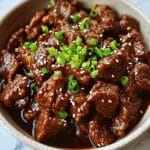
Bulgogi Sauce (Korean BBQ Beef Sauce) Recipe
- Prep Time: 10 minutes
- Cook Time: 10 minutes (grilling/frying beef not included in sauce prep time)
- Total Time: 10 minutes plus 30 minutes marinating time
- Yield: 8 servings
- Category: Sauce/Marinade
- Method: No-Cook
- Cuisine: Korean
Description
This authentic Bulgogi Sauce recipe is a flavorful Korean BBQ beef marinade that perfectly balances sweet, savory, and aromatic elements. Made with soy sauce, sugars, garlic, ginger, sesame oil, mirin, rice vinegar, and grated Asian pear, this sauce tenderizes the beef and infuses it with a delicious depth of flavor. Ready in just 10 minutes, it’s ideal for marinating thinly sliced beef before grilling or pan-frying to create a classic Korean dish loved worldwide.
Ingredients
Wet Ingredients
- 1/2 cup soy sauce
- 1 tablespoon sesame oil
- 2 tablespoons mirin (or sweet rice wine)
- 1 tablespoon rice vinegar
Sweeteners
- 3 tablespoons white sugar
- 2 tablespoons brown sugar
- 1 pear (Asian pear preferred), grated
Aromatics & Spices
- 2 tablespoons minced garlic
- 1 tablespoon grated ginger
- 1 teaspoon ground black pepper
- 2 green onions, finely chopped
- 1 teaspoon sesame seeds (optional)
Instructions
- Mix Soy Sauce & Sugars: In a medium bowl, combine the soy sauce, white sugar, and brown sugar. Stir thoroughly until the sugars dissolve completely into the soy sauce, creating a smooth and balanced base for the marinade.
- Add Aromatics: Incorporate the minced garlic, grated ginger, and sesame oil into the soy sauce mixture. Stir well to evenly distribute the aromatic flavors throughout the sauce.
- Incorporate Liquids: Mix in the mirin and rice vinegar, ensuring the liquids are fully blended into the mixture to add depth and a slight tang to the sauce.
- Add Pear: Stir in the grated Asian pear, which provides natural sweetness and contains enzymes that help tenderize the beef, enhancing both flavor and texture.
- Season: Add the ground black pepper, finely chopped green onions, and sesame seeds if using. Mix thoroughly to combine all ingredients, creating a well-rounded and fragrant marinade.
- Marinate & Cook: Use the sauce to marinate thinly sliced beef for at least 30 minutes, allowing the flavors to penetrate the meat. For best results, grill or pan-fry the marinated beef until cooked through and slightly caramelized, serving hot for an authentic Korean BBQ experience.
Notes
- Asian pear is preferred for its unique flavor and tenderizing enzymes, but you can substitute with a regular pear if needed.
- Marinate the beef for at least 30 minutes, but for more intense flavor, marinate for up to 4 hours in the refrigerator.
- Adjust sugar quantities based on your preferred sweetness level.
- Bulgogi sauce can also be used with chicken or pork as an alternative to beef.
- If sesame seeds are unavailable, they can be omitted without significantly altering the flavor profile.
- To make the marinade gluten-free, use tamari or a gluten-free soy sauce variant.