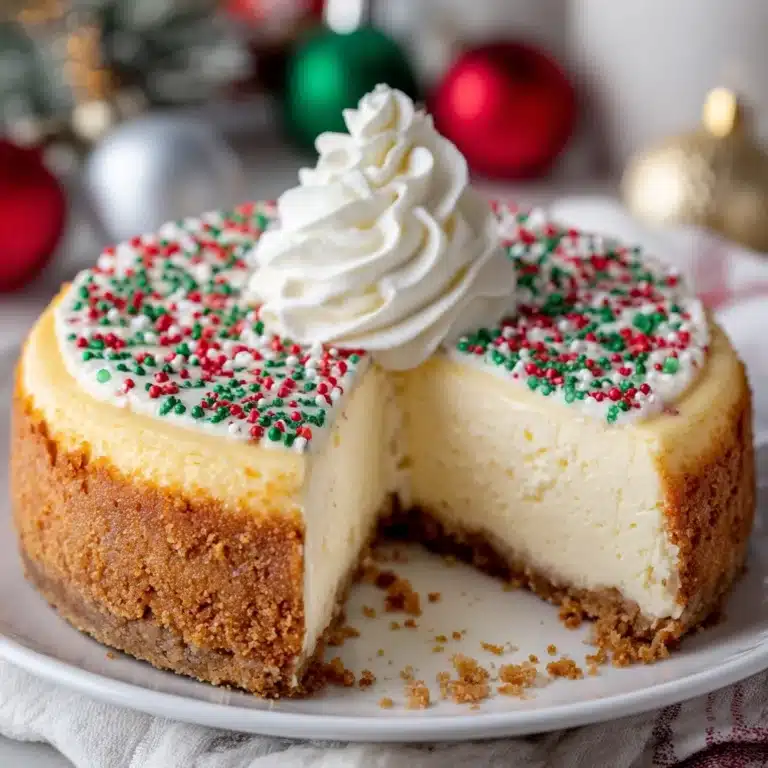

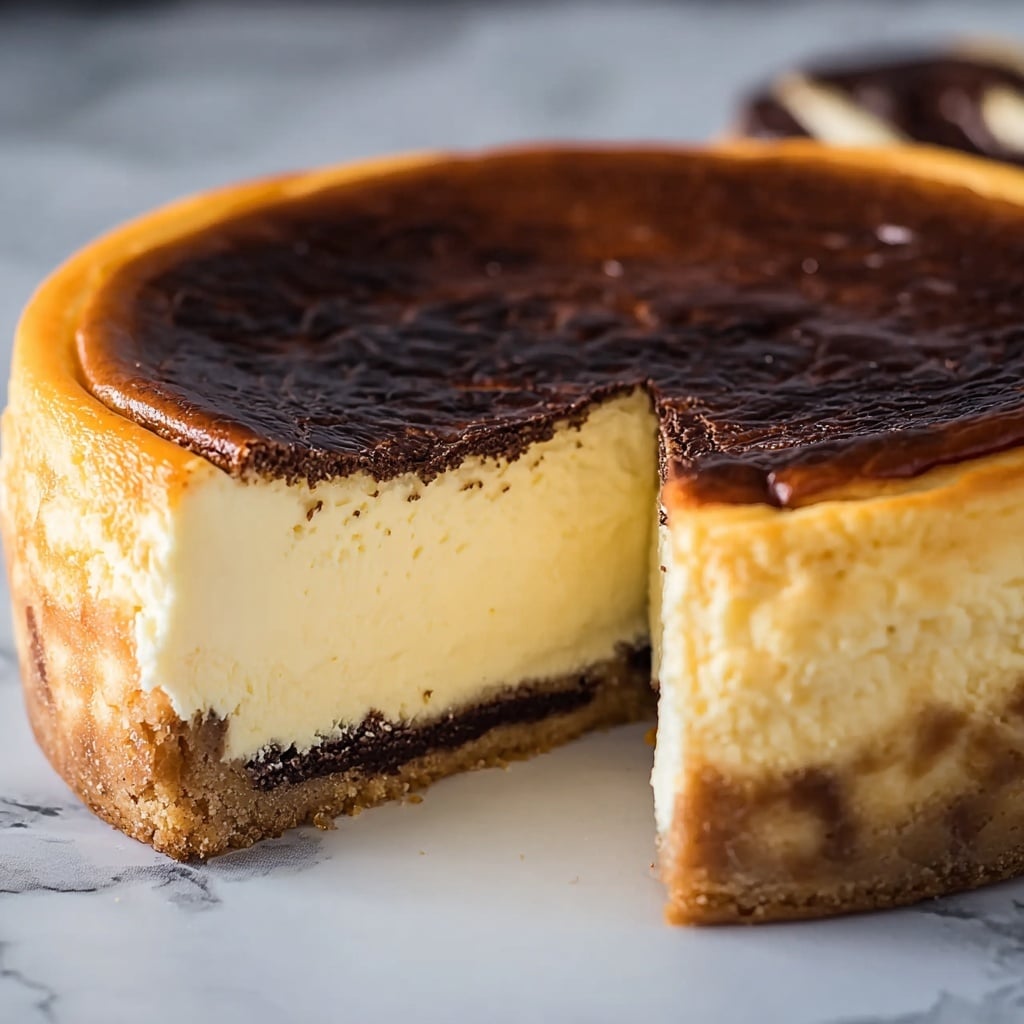
The Basque Burnt Cheesecake Recipe is a show-stopping dessert that combines a deeply caramelized crust with an irresistibly creamy, custardy center. This rustic yet elegant cake is surprisingly simple to make but delivers such a complex flavor that it will quickly become a favorite in your recipe collection. The beauty of this cheesecake lies in its unique texture—a slightly burnt exterior that contrasts perfectly with its silky interior, making every bite a delightful experience that’s hard to forget.

Ingredients You’ll Need
For this Basque Burnt Cheesecake Recipe, you’ll need just a handful of simple ingredients that each play a crucial role in creating its signature flavor and texture. Every component, from the smooth cream cheese to the rich heavy cream, works together to give this dessert its lusciousness and beautiful golden color.
- Cream cheese: The creamy foundation that gives the cheesecake its rich and velvety texture.
- Granulated sugar: Adds sweetness and helps create the caramelized top.
- Salt: A pinch enhances all the flavors and balances the sweetness.
- Vanilla extract: Introduces a warm, aromatic note that complements the creaminess.
- Large eggs: Provide structure and help set the cheesecake while keeping it soft inside.
- Heavy cream: Makes the batter extra smooth and indulgent.
- All-purpose flour: A small amount stabilizes the cheesecake without weighing it down.
- Powdered sugar (optional): Perfect for a delicate dusting before serving.
How to Make Basque Burnt Cheesecake Recipe
Step 1: Preheat and Prepare Your Pan
Start by preheating your oven to 400°F (200°C). Line a 10-inch springform pan’s bottom and sides with parchment paper, making sure it comes up about 2 inches over the edges. This helps contain the cheesecake as it rises and gives you that signature rustic edge once baked.
Step 2: Beat the Cream Cheese
In a large bowl, beat the cream cheese on medium speed until it becomes smooth and creamy. This takes about 2 minutes and sets the stage for the silky filling you’re after.
Step 3: Add Sugar and Salt
Mix in the granulated sugar and salt until fully combined, remembering to scrape down the sides of the bowl so everything blends evenly.
Step 4: Incorporate Vanilla Extract
Add the vanilla extract and blend until it’s well incorporated. This step infuses the batter with a subtle, comforting flavor.
Step 5: Add Eggs One at a Time
Beat in the eggs one by one, ensuring each is completely mixed before adding the next. This gradual process helps maintain a smooth batter without lumps.
Step 6: Mix in the Heavy Cream
Slowly pour the heavy cream into the bowl while mixing on a low speed until the mixture is perfectly smooth and luscious.
Step 7: Fold in the Flour
Sift the flour over the batter and gently fold it in using a spatula. This prevents lumps and keeps the texture light while supporting the cheesecake’s structure.
Step 8: Pour and Tap the Batter
Pour the batter into your prepared springform pan and give the pan a light tap on the counter. This helps release any air bubbles for an even bake.
Step 9: Bake Until Perfectly Burnt
Bake for 50 to 60 minutes or until the top is a deep golden brown with slight cracks, and the center still jiggles gently. This slight underbaking is exactly what makes the cheesecake creamy inside with that classic Basque burnt exterior.
Step 10: Cool in the Pan
Remove the pan from the oven and let the cheesecake cool for 30 minutes to settle and firm up slightly before removing from the pan.
Step 11: Remove from Pan and Cool Completely
Carefully take the cheesecake out of the springform pan and allow it to cool fully at room temperature. This elevates the flavors and enhances the texture.
Step 12: Chill to Set
For best results, chill the cheesecake in the refrigerator for at least 4 hours or overnight. This makes it easier to slice and intensifies the flavor.
Step 13: Serve and Enjoy!
Before serving, optional powdered sugar can be dusted on top for an elegant touch. Slice into generous portions and savor the compliments that are sure to come your way.
How to Serve Basque Burnt Cheesecake Recipe
Garnishes
A light dusting of powdered sugar adds a delicate sweetness and pretty contrast to the burnt top. Fresh berries or a spoonful of fruit compote also complement the rich cheesecake beautifully.
Side Dishes
Serve alongside a dollop of lightly whipped cream or a scoop of vanilla ice cream to double down on the creaminess. For a refreshing balance, fresh sliced fruit like figs or citrus segments work wonderfully.
Creative Ways to Present
For a modern twist, consider serving individual portions in small glass jars topped with a berry coulis drizzle. Or place the cheesecake slices on a rustic wooden board paired with nuts and edible flowers for a visually stunning dessert spread.
Make Ahead and Storage
Storing Leftovers
Wrap leftover Basque Burnt Cheesecake tightly with plastic wrap or place it in an airtight container. It will stay fresh and creamy in the fridge for up to 4 days, making it an ideal make-ahead treat.
Freezing
You can freeze the cheesecake by wrapping it well with plastic wrap and aluminum foil. Freeze for up to one month. When ready to enjoy, thaw it overnight in the refrigerator to preserve its coveted creamy texture.
Reheating
Since the cheesecake is best served chilled, avoid reheating. If you prefer it slightly warmer, leave it at room temperature for 15–20 minutes before slicing and serving to take the chill off gently.
FAQs
What makes Basque Burnt Cheesecake different from traditional cheesecake?
Unlike traditional cheesecakes, Basque Burnt Cheesecake has a deeply caramelized, almost burnt top with a soft, custardy center that remains a bit jiggly. It doesn’t use a crust, giving it a rustic, no-fuss appeal that’s rich yet light.
Do I need a special pan to make this cheesecake?
A 10-inch springform pan lined with parchment paper is ideal because it allows the cheesecake to rise and prevents sticking. The tall parchment edges help contain the batter and create that characteristic caramelized rim.
Why does the center of the cheesecake stay jiggly when it’s done baking?
The slightly jiggly center is actually perfect—it means the custard hasn’t fully set yet but will firm up as it cools and chills. This texture contrast is a hallmark of the Basque Burnt Cheesecake.
Can I use regular cream instead of heavy cream?
Heavy cream is recommended because its higher fat content helps create the smooth, creamy texture that defines this cheesecake. Using regular cream might result in a less rich consistency.
How do I prevent the cheesecake from cracking too much?
Some cracking is normal and part of its rustic charm. To minimize excessive cracks, avoid over-mixing the batter and make sure your oven temperature is steady at 400°F (200°C). Cooling the cheesecake gradually also helps.
Final Thoughts
Making this Basque Burnt Cheesecake Recipe is a rewarding journey that ends with a dessert everyone will love. Its unique, deeply browned top and irresistibly creamy, almost custardy center offer a flavor and texture experience like no other. So grab your ingredients, embrace the rustic charm, and treat yourself to a slice (or two) of this extraordinary cheesecake. Trust me, it’s worth every delicious bite!
Print
Basque Burnt Cheesecake Recipe
- Prep Time: 20 minutes
- Cook Time: 50-60 minutes
- Total Time: 5 hours 20 minutes (including chilling time)
- Yield: 8-10 servings
- Category: Dessert
- Method: Baking
- Cuisine: Spanish
Description
This Basque Burnt Cheesecake is a rich, creamy, and deeply caramelized dessert known for its signature burnt top and custardy interior. Originating from Spain’s Basque region, this cheesecake requires no crust and features a beautifully cracked surface with a luscious, soft center. It’s easy to prepare and bakes to perfection in just under an hour, making it a perfect indulgent treat for any occasion.
Ingredients
Cheesecake Batter
- 2 lbs (900g) cream cheese, at room temperature
- 1 1/4 cups (250g) granulated sugar
- 1/4 teaspoon salt
- 1 1/2 teaspoons vanilla extract
- 6 large eggs
- 1 1/4 cups (300ml) heavy cream
- 1/4 cup (30g) all-purpose flour, sifted
Optional
- Powdered sugar (for dusting)
Instructions
- Preheat the oven: Preheat your oven to 400°F (200°C). Line the bottom and sides of a 10-inch (25cm) springform pan with parchment paper, ensuring it extends about 2 inches above the pan edges to contain the batter as it rises and prevent spillage.
- Prepare the cream cheese: In a large mixing bowl, beat the cream cheese with an electric mixer on medium speed until smooth and creamy, roughly 2 minutes, to ensure a lump-free base for your batter.
- Add sugar and salt: Incorporate the granulated sugar and salt into the cream cheese mixture. Beat until fully combined, scraping down the sides of the bowl as necessary.
- Mix in vanilla: Add the vanilla extract and blend until the flavor is evenly distributed throughout the batter.
- Add eggs individually: Crack in the eggs one at a time, mixing well after each addition to achieve a smooth, homogenous mixture without over-beating.
- Add heavy cream: Reduce mixer speed and gradually pour in the heavy cream, continuing to mix until the batter is smooth and slightly thinned.
- Fold in flour: Sift the all-purpose flour over the batter and gently fold it in with a spatula until it is fully incorporated, being careful not to deflate the mixture.
- Prepare for baking: Pour the batter evenly into the lined springform pan. Tap the pan lightly on the countertop to remove any trapped air bubbles for an even texture.
- Bake the cheesecake: Bake in the preheated oven for 50-60 minutes. The top should develop a deep golden brown color with slight cracking, while the center remains jiggly and slightly undercooked. This texture is essential for the signature creamy finish.
- Cool in the pan: Remove the cake from the oven and let it cool in the pan for 30 minutes to allow it to set gently.
- Remove from pan and cool further: Carefully release the springform pan and peel away the parchment paper. Allow the cheesecake to cool completely at room temperature before refrigeration.
- Chill: Refrigerate the cheesecake for at least 4 hours or ideally overnight to let it firm up fully and develop deeper flavors.
- Serve: Optionally dust the top with powdered sugar before slicing. Serve chilled and enjoy the rich, creamy, and slightly caramelized Basque Burnt Cheesecake.
Notes
- Using room temperature cream cheese ensures a smooth batter without lumps.
- The parchment paper must extend above the pan to prevent batter overflow during baking.
- The cheesecake should remain slightly jiggly in the center when you take it out of the oven; it will firm up as it cools and chills.
- For best flavor and texture, refrigerate overnight before serving.
- Optional dusting of powdered sugar adds a subtle sweetness and elegant presentation.