
If you’ve ever dreamed of bringing the aromatic, comforting flavors of the Middle East right into your kitchen, then this Arabic Dough for Flatbreads, Manakish, and Middle Eastern Pastries Recipe is about to become your new best friend. This dough is incredibly versatile, lending itself beautifully to soft flatbreads, savory manakish topped with za’atar, or even golden, flaky pastries filled with your favorite fillings. It’s simple to prepare but rich in texture and flavor thanks to ingredients like yogurt and olive oil that add just the right moisture and tenderness. Once you get the hang of this recipe, you’ll be whipping up authentic Middle Eastern delights that taste like they came straight from a bustling bakery!

Ingredients You’ll Need
The magic of this dough lies in its simplicity. Each ingredient is essential, coming together to create a tender, elastic dough that’s easy to work with and packs a natural richness and subtle tang. Here’s what you’ll need:
- All-purpose flour: The foundation that gives the dough its structure and flexibility.
- Instant yeast: For that perfect rise and airy crumb without needing much time.
- Sugar: Just a hint to activate the yeast and feed the dough’s fermentation.
- Salt: Balances flavor and strengthens the dough’s gluten network.
- Plain yogurt: Adds tenderness and a subtle tanginess which makes the dough irresistibly soft.
- Olive oil: Enriches the dough while keeping it moist and contributes to a beautifully crisp crust when baked.
- Warm water: Loosens the mixture into a workable dough and helps activate the yeast.
How to Make Arabic Dough for Flatbreads, Manakish, and Middle Eastern Pastries Recipe
Step 1: Combine the Dry Ingredients
Start by whisking together the flour, instant yeast, sugar, and salt in a large mixing bowl. This ensures the yeast and seasonings are evenly distributed, setting the foundation for a consistent dough structure.
Step 2: Add the Yogurt, Olive Oil, and Warm Water
Next, stir in the plain yogurt and olive oil. These ingredients bring moisture and rich flavor. Then gradually pour in the warm water while mixing, until your dough forms a soft, slightly sticky ball—don’t worry if it feels tacky to the touch, that’s exactly what you want!
Step 3: Knead the Dough to Perfection
Transfer your dough onto a clean surface and knead it vigorously for about 8 to 10 minutes. This is the workout your dough needs to develop its elasticity and smooth texture. You’ll notice it becoming less sticky and delightfully silky as the gluten forms.
Step 4: Let the Dough Rise
Place the dough in a lightly oiled bowl and cover it with a damp towel. Find a warm, draft-free corner in your kitchen and let it rise for about 1 hour or until it has doubled in size—this rest period is where all the magic happens, as the yeast helps create those wonderful air pockets inside.
Step 5: Prepare for Shaping
Once your dough has doubled, punch it down gently to release any trapped air. Knead it briefly for a minute or two, then divide it according to your recipe needs—for flatbreads, manakish rounds, or smaller pastries. Let it rest again for 10 minutes; this makes shaping and rolling a breeze.
How to Serve Arabic Dough for Flatbreads, Manakish, and Middle Eastern Pastries Recipe
Garnishes
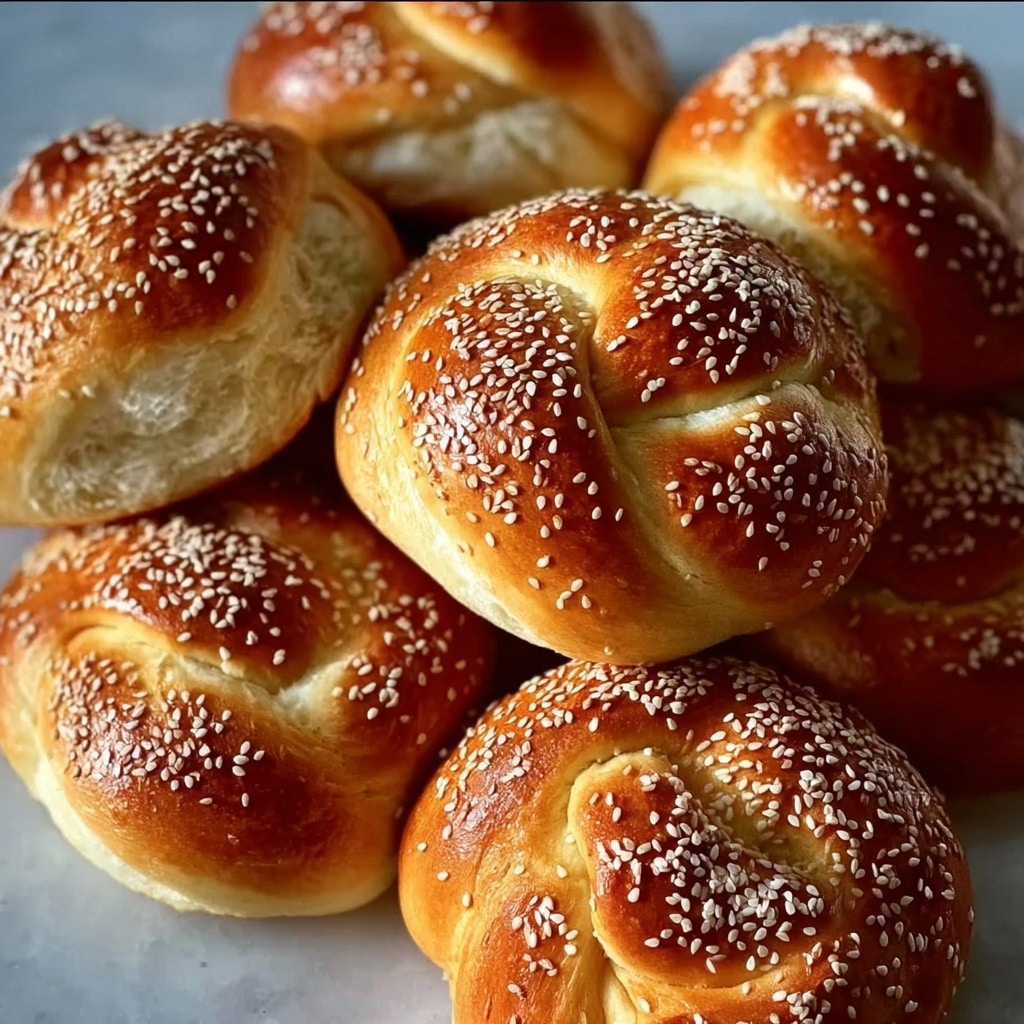
One of the joys of this dough is how well it pairs with various toppings. For manakish, brush the dough lightly with olive oil and generously sprinkle za’atar and sesame seeds before baking. Or try za’atar combined with labneh for a creamy touch. A sprinkle of sumac or chopped fresh herbs like parsley adds freshness and vivid color just before serving.
Side Dishes
Serve your freshly baked flatbreads or pastries alongside classic Middle Eastern sides like baba ghanoush, hummus, or a bright tabbouleh salad. These dishes not only complement the dough’s mild flavor but also offer a wonderful balance of textures and tastes.
Creative Ways to Present
For a fun twist, shape small pockets like sambousek and fill them with spiced minced meat or spinach with feta. Alternatively, roll the dough thin to make crispy breadsticks brushed with garlic and za’atar. Customized flatbreads with various toppings make entertaining simple and always impressive!
Make Ahead and Storage
Storing Leftovers
Leftover dough can be stored covered at room temperature for a few hours. If you have baked bread or pastries, they keep best wrapped tightly in plastic wrap or an airtight container to maintain softness for 2 to 3 days.
Freezing
This Arabic Dough for Flatbreads, Manakish, and Middle Eastern Pastries Recipe actually freezes beautifully. Wrap the dough tightly in plastic wrap and place it in a freezer bag. When you’re ready to use it, thaw overnight in the fridge and bring it back to room temperature before shaping.
Reheating
To reheat baked breads or pastries, warm them in a preheated oven at 350°F (175°C) for 5 to 10 minutes until they regain that freshly baked softness and slight crispness on the edges. Avoid microwaving if possible to keep the texture intact.
FAQs
Can I replace plain yogurt with something else?
Absolutely! You can swap plain yogurt for labneh or buttermilk to add a tangier note. Each will bring its own unique flavor but keep the dough tender and moist.
What if my dough is too sticky?
It’s normal for this dough to be slightly sticky. If it’s excessively sticky, sprinkle a little flour as you knead, but be careful not to add too much or the dough can become tough.
How long does the dough need to rise?
About 1 hour or until the dough doubles in size is perfect. In colder climates, it might take a little longer; in warm kitchens, it could be faster.
Can I use this dough for sweet pastries?
Definitely! While it’s traditionally used for savory dishes like manakish, you can fill or top it with sweet ingredients such as honey and nuts or date paste for a Middle Eastern dessert twist.
Is this dough suitable for gluten-free diets?
This recipe relies on all-purpose wheat flour for its elasticity and structure, so it’s not suitable for gluten-free diets. However, experimenting with gluten-free blends might yield interesting results but won’t be the same texture.
Final Thoughts
Making this Arabic Dough for Flatbreads, Manakish, and Middle Eastern Pastries Recipe is like inviting a warm slice of Middle Eastern tradition into your daily cooking. Its simplicity and versatility make it a wonderful base recipe to have in your culinary repertoire. Whether you use it to create crispy flatbreads dipped in olive oil or deliciously stuffed pastries, you’re in for a truly satisfying experience. Give it a try, and I promise it will become a cherished staple in your kitchen, just as it is in mine!
Print
Arabic Dough for Flatbreads, Manakish, and Middle Eastern Pastries Recipe
- Prep Time: 10 minutes
- Cook Time: 10 minutes
- Total Time: 1 hour 20 minutes
- Yield: Makes enough dough for 4–6 flatbreads or 12 small pastries
- Category: Basics
- Method: Mixing
- Cuisine: Middle Eastern
- Diet: Vegetarian
Description
This versatile Arabic dough recipe provides a soft and elastic base perfect for making traditional Middle Eastern breads such as flatbreads, manakish, and sambousek. Made with simple ingredients including flour, yeast, yogurt, and olive oil, this dough yields tender, flavorful results that can be shaped and baked to suit a variety of dishes.
Ingredients
Dry Ingredients
- 4 cups all-purpose flour
- 2 teaspoons instant yeast
- 1 tablespoon sugar
- 1 teaspoon salt
Wet Ingredients
- 3 tablespoons plain yogurt
- 2 tablespoons olive oil
- 1 1/2 cups warm water (more if needed)
Instructions
- Combine Dry Ingredients: In a large mixing bowl, mix together the flour, instant yeast, sugar, and salt ensuring even distribution.
- Add Wet Ingredients: Incorporate the plain yogurt and olive oil into the dry mixture, then gradually pour the warm water while stirring to form a soft, slightly sticky dough.
- Knead the Dough: Transfer the dough to a lightly floured surface and knead for 8 to 10 minutes until it becomes smooth and elastic, developing the gluten needed for a good texture.
- First Rise: Place the kneaded dough back into the bowl, cover it with a damp towel, and let it rest in a warm place for about 1 hour or until the dough has doubled in size, allowing the yeast to ferment and the dough to expand.
- Deflate and Knead: Punch down the risen dough to release trapped air, then knead briefly to ensure an even texture.
- Shape and Rest: Divide the dough into portions according to your intended use (4–6 flatbreads or 12 small pastries). Let the shaped dough rest for 10 minutes before proceeding with your recipe’s baking or cooking steps.
Notes
- Substitute yogurt with labneh or buttermilk to add a tangier flavor to the dough.
- Brush the dough with a bit of olive oil before rising for extra softness in the final bread.
- The dough freezes well; wrap it tightly and thaw before use to maintain freshness.