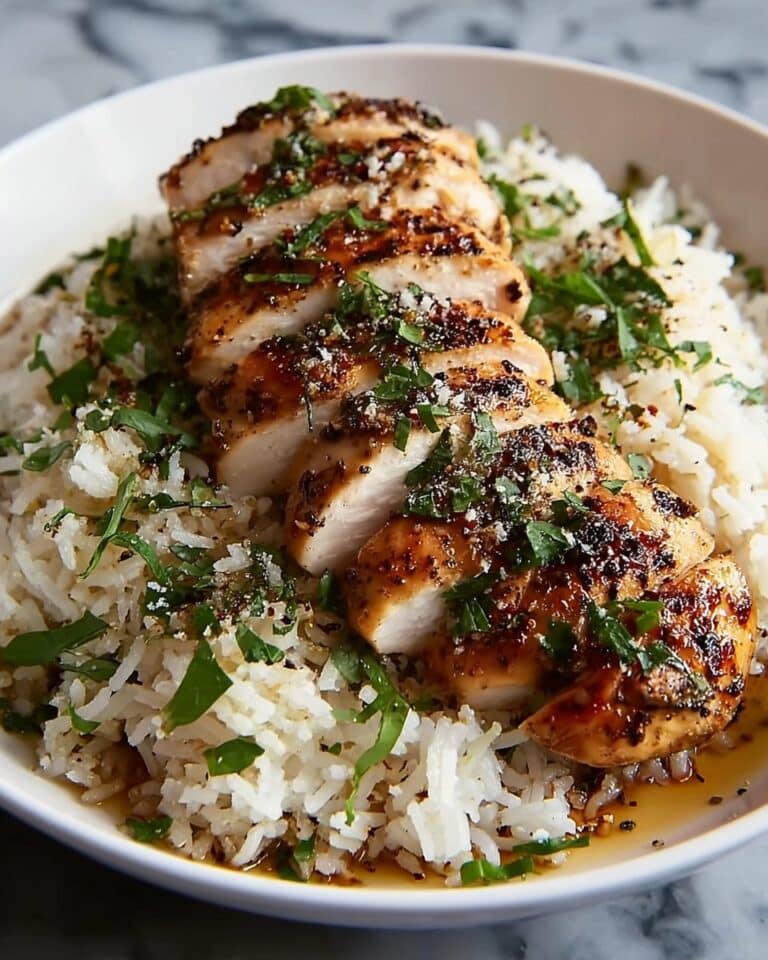
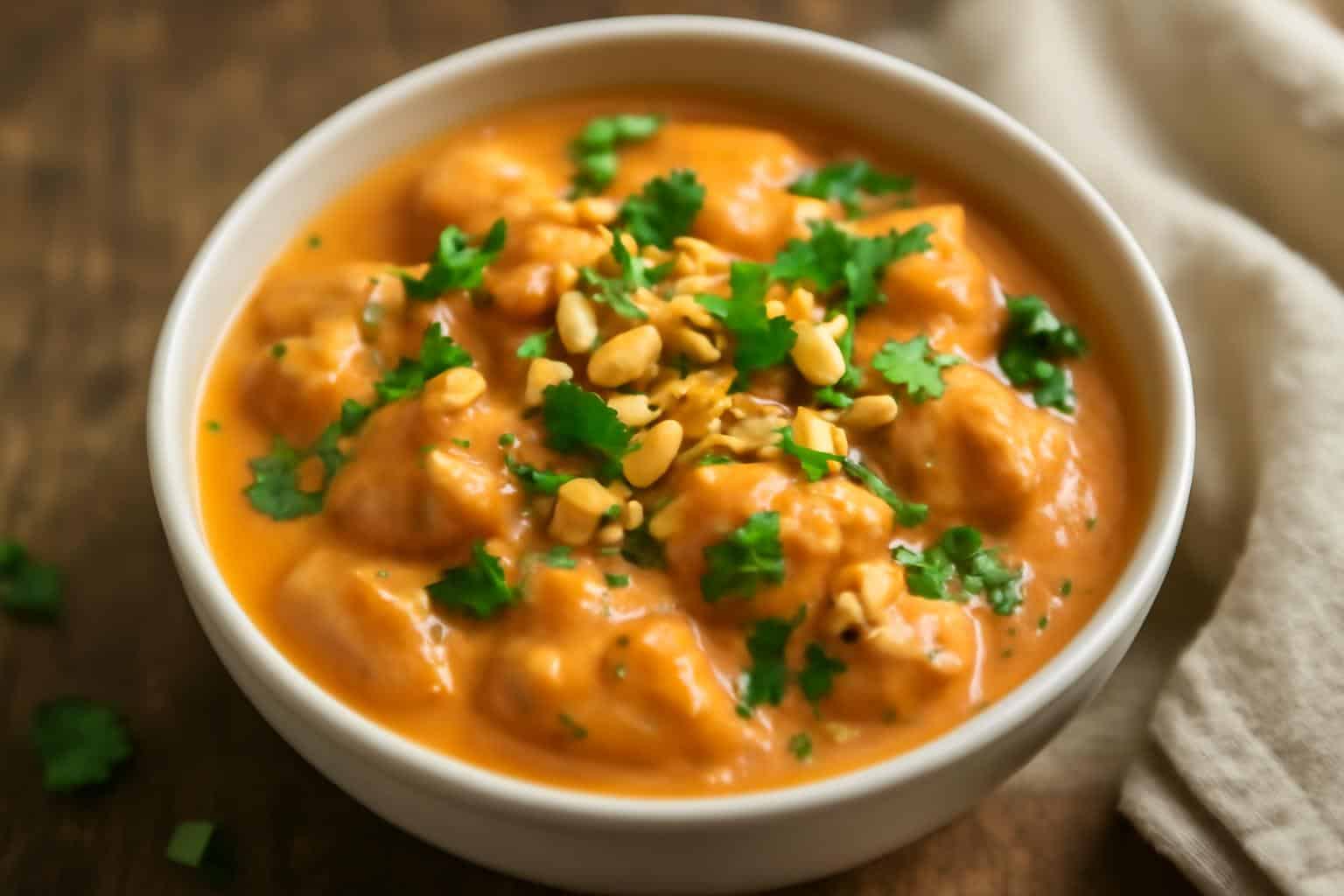
If you’re looking for a weeknight dinner that’s quick, flavorful, and satisfying, this easy creamy Thai peanut chicken recipe is exactly what you need. Ready in just 30 minutes, it’s a delicious way to bring bold Thai flavors to your table without any fuss.

You’ll love how the combination of tender chicken and a rich, peanut-infused sauce comes together effortlessly on the stovetop. Whether you’re cooking for family or meal prepping for the week, this dish is sure to become a favorite.
Why You’ll Love This Recipe
- Ready in just 30 minutes, perfect for busy weeknights.
- Rich, creamy peanut sauce with authentic Thai flavors.
- Simple ingredients you probably already have in your pantry.
- Versatile and pairs well with rice, noodles, or veggies.
- Healthy and packed with protein, easy to customize.
Ingredients
Gather these ingredients to whip up your creamy Thai peanut chicken. The sauce ingredients blend for a perfect balance of sweet, salty, and tangy flavors.
- 1 ½ pounds boneless, skinless chicken thighs, cut into bite-sized pieces
- 2 tablespoons vegetable oil
- 1 small yellow onion, finely chopped
- 3 cloves garlic, minced
- 1 tablespoon fresh ginger, grated
- ½ cup creamy peanut butter
- ¼ cup soy sauce (low sodium preferred)
- 3 tablespoons honey
- 2 tablespoons lime juice (freshly squeezed)
- 1 teaspoon chili garlic sauce or sriracha (optional for heat)
- ½ cup coconut milk
- ¼ cup chicken broth or water
- 2 tablespoons chopped fresh cilantro, for garnish
- 2 tablespoons chopped roasted peanuts, for garnish
Recipe Details
- Prep Time: 10 minutes
- Cook Time: 20 minutes
- Total Time: 30 minutes
- Servings: 4
- Calories: Approximately 450 per serving
How to Make Easy Creamy Thai Peanut Chicken Ready in 30 Minutes – The Best Weeknight Dinner!
- Heat the vegetable oil in a large skillet over medium-high heat. Add the chicken pieces and cook for 5-7 minutes until browned and cooked through. Remove chicken and set aside.
- In the same skillet, add chopped onion, garlic, and grated ginger. Sauté for 2-3 minutes until fragrant and the onion is translucent.
- Reduce heat to medium and stir in the peanut butter, soy sauce, honey, lime juice, and chili garlic sauce if using. Mix well to combine.
- Pour in the coconut milk and chicken broth, stirring constantly until the sauce is smooth and begins to thicken, about 3-4 minutes.
- Return the cooked chicken to the skillet and toss to coat evenly in the creamy peanut sauce. Simmer for 2 more minutes to let the flavors meld.
- Remove from heat and garnish with chopped cilantro and peanuts before serving.
Tips for the Best Results
- Use chicken thighs for juicier, more flavorful meat compared to breasts.
- Adjust the chili garlic sauce to your preferred spice level.
- If the sauce is too thick, add a splash more chicken broth or water to thin it out.
- For extra brightness, add a little fresh lime zest to the sauce.
- Serve with steamed jasmine rice or rice noodles for a complete meal.
Storage and Reheating
Store leftover Thai peanut chicken in an airtight container in the refrigerator for up to 4 days. The sauce may thicken after chilling; add a splash of water or broth when reheating to loosen it back up.
You can also freeze this dish for up to 2 months. Thaw overnight in the fridge and reheat gently on the stovetop or microwave until warmed through.
Frequently Asked Questions
Can I use chicken breast instead of thighs?
Yes, chicken breast works fine but tends to dry out faster than thighs. Cook it carefully and avoid overcooking to keep the meat tender and juicy.
Is this recipe gluten-free?
This recipe can be gluten-free if you use tamari or gluten-free soy sauce instead of regular soy sauce. Double-check your peanut butter and chili sauce labels as well.
Can I make this dish vegan or vegetarian?
Absolutely! Substitute chicken with firm tofu or tempeh, and use vegetable broth instead of chicken broth to keep it plant-based and just as delicious.
What sides pair well with Thai peanut chicken?
Steamed jasmine rice, coconut rice, or rice noodles are classic options. You can also serve it alongside sautéed or steamed vegetables like bok choy, snap peas, or broccoli.