
“`html
There is something truly magical about these Buttery Italian Easter Cookies Recipe that makes every bite feel like a celebration of spring and tradition all at once. These tender, lightly glazed treats bring a nostalgic sweetness to the table, blending simple ingredients into a soft knot-shaped cookie that’s both beautiful and delicious. Whether you’re honoring a beloved Italian holiday custom or just craving a buttery, melt-in-your-mouth delight, this recipe captures the essence of joyful family baking and festive flavors perfectly.

Ingredients You’ll Need
The beauty of this Buttery Italian Easter Cookies Recipe is in its simple, classic ingredients that each play a vital role. From the rich butter creating soft crumb, to the fresh lemon zest adding a bright note, every component works beautifully together to make these cookies irresistibly charming and flavorful.
- 4 cups all-purpose flour: Provides the perfect sturdy base for shaping the dough without losing tenderness.
- 1 tablespoon baking powder: Adds just the right lift to keep the cookies light and airy.
- 1/2 teaspoon salt: Enhances all the other flavors subtly without overpowering.
- 3/4 cup unsalted butter, softened: The key to that luscious buttery texture everyone loves.
- 1 cup granulated sugar: Sweetens the dough delicately, balancing richness and flavor.
- 4 large eggs, room temperature: Bind the dough together and add moisture and structure.
- 1 tablespoon vanilla extract: Brings warmth and a familiar aroma to the cookies; anise extract is a traditional alternative.
- 1 tablespoon lemon zest: Infuses a fresh, lively citrus burst lightening the overall taste.
- 1/4 cup whole milk: Keeps the dough soft and workable without heaviness.
- 2 cups powdered sugar: Used for the smooth glaze that adds sweetness and a delicate finish.
- 3 tablespoons milk or lemon juice: Mixed into the powdered sugar to create a shiny, flavorful glaze.
- Pastel sprinkles: Traditional festive topping that adds a colorful, celebratory touch.
How to Make Buttery Italian Easter Cookies Recipe
Step 1: Prepare Your Oven and Dry Ingredients
Start by preheating your oven to 350°F and lining baking sheets with parchment paper to prevent sticking. In a medium bowl, whisk together the all-purpose flour, baking powder, and salt. This dry mix sets the foundation for the perfect texture, ensuring your cookies bake evenly and hold their shape.
Step 2: Cream Butter and Sugar
In a large bowl, beat the softened butter and granulated sugar until the mixture becomes light and fluffy. This step is crucial because it incorporates air that gives the cookies their tender crumb and buttery richness.
Step 3: Incorporate Eggs and Flavorings
Beat in the eggs one at a time to maintain a smooth batter, then mix in the vanilla extract and fresh lemon zest. These ingredients bring warmth and brightness, creating that signature flavor balance in the Buttery Italian Easter Cookies Recipe.
Step 4: Combine Dry and Wet Ingredients
Gradually add the flour mixture into the wet ingredients, alternating with the whole milk. Mix just until a soft dough forms—overmixing can toughen the cookies, so handle with care to keep them tender and soft.
Step 5: Shape the Cookies
Pinch off small portions of the dough and gently roll each into a 6-inch rope. Twist into knots or form rings and place them on your prepared baking sheets. The traditional knotted shape is part of the charm and makes every cookie a delightful work of art.
Step 6: Bake to Perfection
Bake the cookies for 10 to 12 minutes. You’ll know they’re ready when the bottoms turn just a hint of golden but the tops remain pale—a hallmark of this buttery treat. This careful baking preserves their soft texture and subtle color.
Step 7: Glaze and Decorate
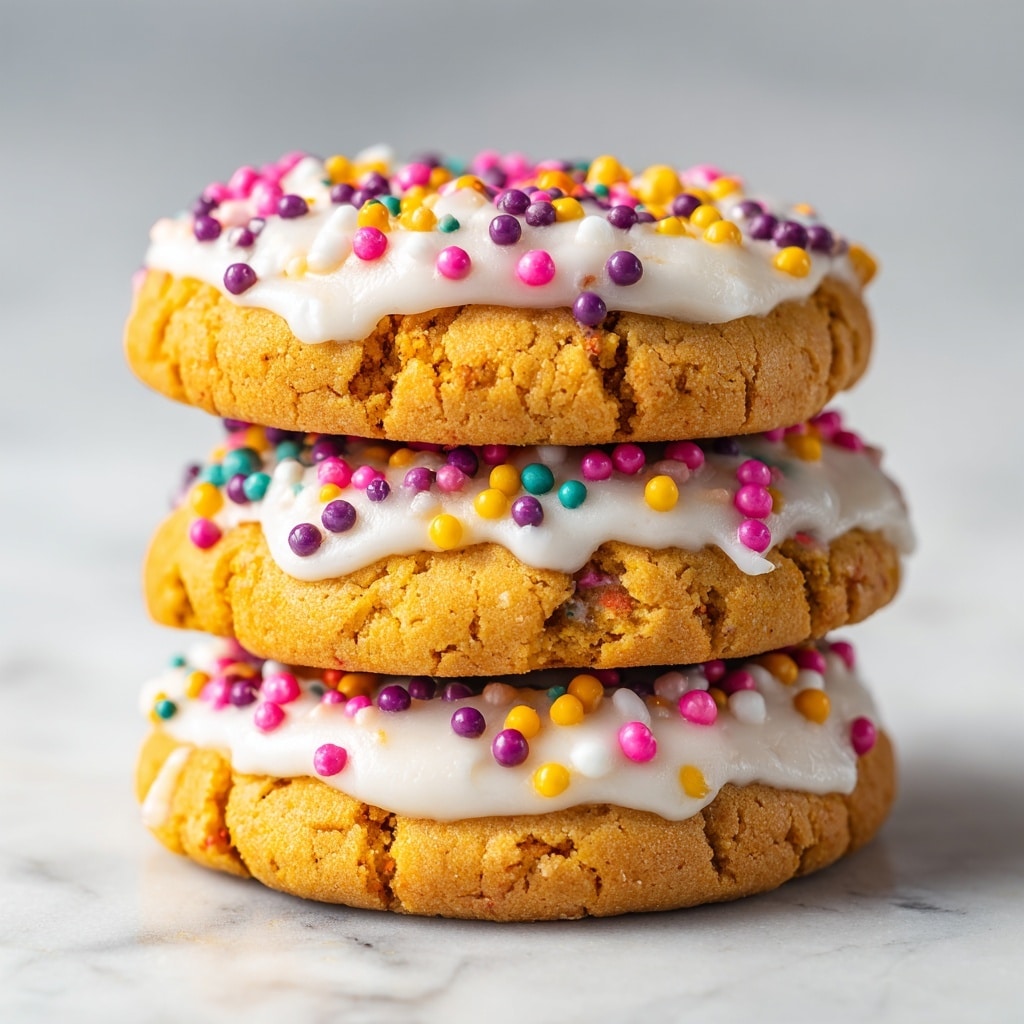
Once the cookies have cooled completely, whisk together powdered sugar and milk or lemon juice into a smooth glaze. Dip the tops of each cookie into the glaze, then sprinkle with pastel sprinkles. Let the glaze set so each cookie shines with a festive finishing touch.
How to Serve Buttery Italian Easter Cookies Recipe
Garnishes
A light dusting of powdered sugar on top of the glaze can add extra sweetness and a charming snowy effect. You can also experiment with finely chopped pistachios for a nutty crunch or edible flower petals to elevate the presentation for special occasions.
Side Dishes
These cookies pair wonderfully with a cup of freshly brewed espresso or a bright springtime tea such as Earl Grey or chamomile. Serving alongside fresh berries or a citrus salad makes for a balanced treat that awakens the palate.
Creative Ways to Present
Arrange the cookies on a rustic wooden board or a pastel-colored platter to echo the Easter vibe. Tying small bundles with a silk ribbon or placing them in decorative cellophane bags makes them perfect gifts or favors for holiday guests.
Make Ahead and Storage
Storing Leftovers
Store the cookies in an airtight container at room temperature for up to five days to maintain their soft texture. Avoid refrigeration as it can dry them out and dull the buttery goodness you worked so hard to capture.
Freezing
You can freeze the unglazed cookies by placing them on a baking sheet, then transferring solid pieces to a freezer-safe container or bag. Freeze for up to three months, then thaw completely before glazing for fresh-tasting results.
Reheating
If you want to refresh the cookies before serving, warm them gently in a low oven (about 300°F) for 3-5 minutes. This gives back that fresh-baked softness while keeping the glaze intact.
FAQs
Can I substitute anise extract for vanilla in this recipe?
Absolutely! Anise extract is actually a traditional flavor in Italian Easter cookies and will add a lovely licorice note that many people adore as an authentic variation.
Why do the cookies stay pale instead of browning?
The buttery Italian Easter cookies dough is meant to remain lightly colored to keep a delicate, tender texture. Overbaking or too much browning can make them crispier and lose their signature softness.
Can I make these cookies gluten-free?
You can experiment with gluten-free all-purpose flour blends that include xanthan gum, but results may vary. The dough may be a bit more delicate, so handle it gently when shaping.
What’s the best way to get the glaze smooth and shiny?
Use room temperature milk or lemon juice and sift the powdered sugar before mixing. Whisk thoroughly to remove lumps, and dip the cookies soon after baking when they’re cool but not cold for even coverage.
How many cookies does this recipe yield?
This recipe makes about 36 buttery Italian Easter cookies, perfect for sharing with family and friends during holiday celebrations or for gifting in charming bundles.
Final Thoughts
If you’re looking for a cookie that embodies comfort, tradition, and a burst of buttery sweetness, you have to try this Buttery Italian Easter Cookies Recipe. It’s a true labor of love that’s perfect for making memories around the kitchen and the holiday table. I promise once you bake and share these treats, they’ll become a treasured favorite for years to come!
“`
Print
Buttery Italian Easter Cookies Recipe
- Prep Time: 30 minutes
- Cook Time: 12 minutes
- Total Time: 42 minutes
- Yield: 36 cookies
- Category: Dessert
- Method: Baking
- Cuisine: Italian
- Diet: Vegetarian
Description
These Buttery Italian Easter Cookies are a delightful traditional treat with a tender, buttery dough shaped into knots or rings, baked to a pale golden perfection, and finished with a sweet glaze sprinkled with pastel decorations. Perfect for celebrating Easter with a classic Italian touch.
Ingredients
Dry Ingredients
- 4 cups all-purpose flour
- 1 tablespoon baking powder
- 1/2 teaspoon salt
Wet Ingredients
- 3/4 cup unsalted butter, softened
- 1 cup granulated sugar
- 4 large eggs, room temperature
- 1 tablespoon vanilla extract
- 1 tablespoon lemon zest
- 1/4 cup whole milk
Glaze Ingredients
- 2 cups powdered sugar
- 3 tablespoons milk or lemon juice
- Pastel sprinkles for topping
Instructions
- Preheat and Prepare Baking Sheets: Preheat your oven to 350°F (175°C) and line baking sheets with parchment paper to prevent sticking and ensure even baking.
- Mix Dry Ingredients: In a medium bowl, whisk together the all-purpose flour, baking powder, and salt to evenly distribute the leavening agents and seasoning.
- Cream Butter and Sugar: In a large bowl, use a mixer to cream the softened unsalted butter with the granulated sugar until the mixture is light and fluffy, which helps create a tender cookie texture.
- Add Eggs and Flavorings: Beat in the eggs one at a time to fully incorporate them, then mix in the vanilla extract and lemon zest for a bright, aromatic flavor.
- Combine Wet and Dry Ingredients: Gradually add the dry flour mixture to the wet ingredients, alternating with the whole milk, mixing gently until a soft dough forms. Avoid overmixing to keep the cookies tender.
- Shape Cookies: Pinch off small portions of dough, roll each into 6-inch ropes, then twist or form them into knots or rings. Place the shaped cookies evenly spaced on the prepared baking sheets.
- Bake: Bake in the preheated oven for 10 to 12 minutes, until the bottoms are lightly golden but the tops remain pale to maintain traditional appearance.
- Cool: Remove the cookies from the oven and allow them to cool completely on wire racks to prepare for glazing.
- Prepare Glaze: In a small bowl, whisk together the powdered sugar with milk or lemon juice until smooth and pourable to create a sweet, tangy glaze.
- Glaze and Decorate: Dip the tops of the cooled cookies into the glaze, then immediately sprinkle with pastel sprinkles for a festive finish. Let the glaze set before serving to avoid mess.
Notes
- These cookies are traditionally baked to be lightly colored rather than browned, preserving their delicate texture.
- Anise extract can be used instead of vanilla extract for a more authentic Italian flavor.
- Make sure the eggs are at room temperature to achieve the best texture.
- For a dairy-free version, substitute milk and butter with plant-based alternatives.