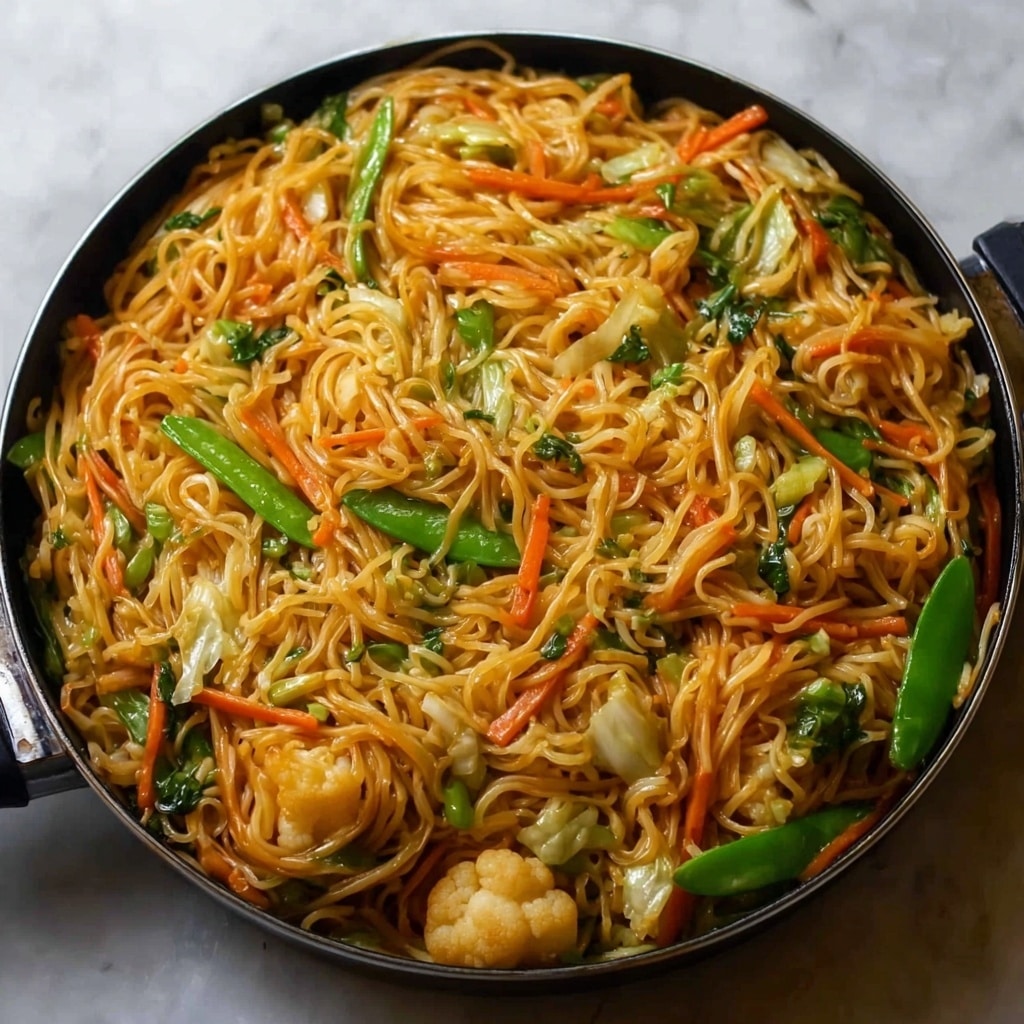
There is something truly magical about Chow Mein with the Best Chow Mein Sauce Recipe that makes it an irresistible dish for any occasion. This vibrant stir-fry perfectly balances tender noodles with crisp vegetables, a savory sauce that brings everything together, and optional protein to satisfy any craving. If you have ever wanted to master a comforting, restaurant-quality chow mein at home, this recipe will become your go-to favorite—flavorful, quick, and packed with the kind of deliciousness that feels both familiar and exciting.

Ingredients You’ll Need
Every ingredient in this recipe plays a vital role, coming together to create the perfect harmony of flavors and textures. From the chewy chow mein noodles to the bright crunch of fresh vegetables and the rich, savory sauce, each component is simple yet essential.
- 8 oz chow mein noodles: Choose fresh or dried noodles for that authentic chewy texture that carries the sauce beautifully.
- 1 cup shredded cabbage: Adds a satisfying crunch and subtle sweetness to balance the savory elements.
- 1 cup julienned carrots: For color, slight sweetness, and a vibrant pop in every bite.
- 1 cup snow peas: Crisp and fresh, these add a lovely green hue and garden-fresh flavor.
- 4 green onions, chopped: They bring a mild oniony brightness that lifts the entire dish at the end.
- 2 cloves garlic, minced: Aromatic and essential for building the sauce’s depth and flavor.
- 3 tablespoons soy sauce: The salty backbone that ties the sauce and dish together.
- 2 tablespoons oyster sauce: Adds a rich, savory umami punch that makes this the best chow mein sauce recipe.
- 1 tablespoon sesame oil: Gives a nutty fragrance and flavor that makes the dish irresistibly aromatic.
- 1 teaspoon sugar: Rounds out the flavors and balances the salty, savory notes beautifully.
- 1 cup cooked chicken or tofu (optional): A protein boost for heartiness and satisfying bites.
- 2 tablespoons vegetable oil: Ideal for stir-frying everything to perfection without overpowering the flavors.
How to Make Chow Mein with the Best Chow Mein Sauce Recipe
Step 1: Prepare Your Ingredients
Begin by slicing all your vegetables into bite-sized pieces and prepping your chicken or tofu if using. Having everything ready to go makes stir-frying swift and seamless, which is key to preserving the fresh textures and bright flavors.
Step 2: Cook the Chow Mein Noodles
Follow the package directions for the chow mein noodles carefully. Once cooked, drain and rinse them under cold water to stop the cooking process. Toss the cooled noodles lightly with a bit of oil to keep them from sticking and to add a subtle shine.
Step 3: Whisk Together the Sauce
Whip up your signature sauce by combining soy sauce, oyster sauce, sesame oil, and sugar in a small bowl. This blend captures the essence of Chow Mein with the Best Chow Mein Sauce Recipe—deep, savory, aromatic, and with just the right touch of sweetness.
Step 4: Cook the Protein
Heat your vegetable oil in a skillet or wok until hot, then add the chicken or tofu. Cook until browned on the outside and cooked through, ensuring a lovely texture contrast when stirred into the noodles later. Remove from the pan and set aside.
Step 5: Stir-Fry the Vegetables and Garlic
Add more oil to the pan if needed, then sauté the minced garlic briefly until fragrant—about 30 seconds. Add the carrots, snow peas, and cabbage, cooking for 2 to 3 minutes. This quick stir-fry keeps the vegetables crisp and bursting with flavor, creating a beautiful balance with the soft noodles.
Step 6: Combine Noodles, Protein, and Sauce
Return the cooked noodles and protein to the pan with the vegetables. Pour your prepared sauce over everything and stir-fry for another two minutes, tossing continuously so the sauce coats every ingredient evenly. This step is where Chow Mein with the Best Chow Mein Sauce Recipe truly comes to life with its glossy, irresistible finish.
Step 7: Garnish and Serve Hot
Finally, sprinkle the chopped green onions over the chow mein, give everything one last toss, and serve immediately while hot and inviting. The fresh green onion adds a light, refreshing layer to each delicious mouthful.
How to Serve Chow Mein with the Best Chow Mein Sauce Recipe
Garnishes
Sprinkle some toasted sesame seeds or fresh cilantro on top for extra texture and flavor zest. You can also add a few thin slices of fresh chili if you like a bit of heat, which pairs wonderfully with the rich sauce.
Side Dishes
Serve this chow mein alongside steamed dumplings, spring rolls, or a simple cucumber salad for a well-rounded meal. The crisp, cool sides contrast the warm, savory noodles perfectly.
Creative Ways to Present
For a festive look, serve your chow mein in individual lettuce cups or on a platter garnished with edible flowers. You can also offer additional dipping sauces like chili oil or hoisin sauce to let everyone customize their flavors.
Make Ahead and Storage
Storing Leftovers
Keep any leftover chow mein in an airtight container in the refrigerator. It stays fresh for up to 3 days, making it perfect for quick lunches or dinners later in the week.
Freezing
While you can freeze chow mein, it’s best to do so without the green onions and fresh vegetable garnishes to preserve texture. Freeze in a sealed container for up to 2 months, then thaw overnight before reheating.
Reheating
To reheat, warm your chow mein gently in a skillet over medium heat with a splash of water or broth to revive its moisture and prevent drying out. Avoid microwaving if possible, as this can make the noodles mushy.
FAQs
Can I use different vegetables in this chow mein?
Absolutely! Feel free to swap or add vegetables such as bell peppers, bean sprouts, mushrooms, or broccoli. The recipe is flexible and welcoming to your favorite fresh produce.
Is oyster sauce necessary for the best chow mein sauce recipe?
Oyster sauce provides a distinctive umami flavor that is key to this sauce’s character, but you can substitute vegetarian mushroom sauce for a similar depth if you prefer a plant-based option.
Can I make this dish vegan or vegetarian?
Yes, simply omit the chicken or substitute tofu or tempeh. Make sure to use vegetarian oyster sauce if you want to keep the sauce plant-based.
What type of noodles is best for chow mein?
Fresh chow mein noodles are ideal for their texture and flavor, but dried noodles work well too. Just be sure to cook them properly according to the package and rinse to stop cooking.
How can I add more protein to this recipe?
Besides chicken and tofu, shrimp, beef strips, or even a fried egg work wonderfully. Adding extra protein can make this chow mein a more filling, complete meal.
Final Thoughts
Chow Mein with the Best Chow Mein Sauce Recipe is a delightful way to bring a touch of authentic, home-cooked Asian flavor into your kitchen. Quick to prepare yet packed with layered flavors and textures, it’s perfect for weeknight dinners or impressing friends. I promise that once you try this recipe, it will quickly become a beloved staple that you’ll want to make again and again. So, grab those fresh ingredients and start cooking—your new favorite chow mein awaits!
Print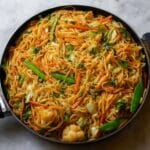
Chow Mein with the Best Chow Mein Sauce Recipe
- Prep Time: 15 minutes
- Cook Time: 10 minutes
- Total Time: 25 minutes
- Yield: 4 servings
- Category: Main Course
- Method: Stovetop
- Cuisine: Chinese
- Diet: Halal
Description
This delicious Chow Mein recipe features crispy stir-fried noodles tossed with a colorful medley of vegetables and your choice of chicken or tofu, all coated in a savory and aromatic homemade chow mein sauce. Perfect for a quick and satisfying Asian-inspired meal.
Ingredients
Noodles and Vegetables
- 8 oz chow mein noodles
- 1 cup shredded cabbage
- 1 cup julienned carrots
- 1 cup snow peas
- 4 green onions, chopped
- 2 cloves garlic, minced
Sauce
- 3 tablespoons soy sauce
- 2 tablespoons oyster sauce
- 1 tablespoon sesame oil
- 1 teaspoon sugar
Protein
- 1 cup cooked chicken or tofu (optional)
Cooking Oils
- 2 tablespoons vegetable oil
Instructions
- Prepare Ingredients: Slice all vegetables into desired shapes and prepare the optional protein by cutting it into bite-size pieces; set everything aside for easy access during cooking.
- Cook Noodles: Boil the chow mein noodles following the package directions until al dente. Drain them well, rinse under cold water to stop cooking and prevent sticking, then toss noodles lightly with a bit of oil to keep them separated.
- Make Sauce: In a small bowl, whisk together the soy sauce, oyster sauce, sesame oil, and sugar until fully combined, creating a flavorful chow mein sauce.
- Cook Protein: Heat 1 tablespoon of vegetable oil in a skillet or wok over medium-high heat. Add the chicken or tofu and cook until browned and cooked through. Remove the protein from the pan and set aside.
- Stir-Fry Vegetables: Add the remaining vegetable oil to the skillet if needed. Sauté minced garlic for 30 seconds until fragrant. Then add the carrots, snow peas, and cabbage, stir-frying for 2 to 3 minutes until vegetables are tender but still crisp.
- Combine and Stir-Fry: Return the cooked noodles and protein to the pan with the vegetables. Pour in the prepared chow mein sauce and stir-fry everything together for 2 more minutes, ensuring all ingredients are evenly coated and heated through.
- Finish and Serve: Sprinkle the chopped green onions over the chow mein, toss once more briefly, and serve immediately while hot for the best taste.
Notes
- You can substitute chicken with tofu or shrimp based on dietary preference.
- Use fresh vegetables for the best crunch and flavor; feel free to add bell peppers or bean sprouts.
- Adjust soy sauce quantity to control saltiness.
- To make it vegetarian, omit oyster sauce or replace with a vegetarian alternative.
- Serve with a side of steamed rice or enjoy as a standalone dish.