
If you’re on the hunt for a dish that packs punch and warmth in every bite, you’re going to adore this Spicy Coconut Gochujang Noodles Recipe. It’s a vibrant fusion of creamy coconut milk and the smoky heat of gochujang, perfectly balanced by fresh aromatics and a zing of lime. Whether you’re craving something comforting on a chilly evening or a bold new noodle bowl to impress friends, this recipe delivers layers of flavor that dance together effortlessly. Plus, it’s ready in just 20 minutes, making it a shining example of delicious simplicity at its finest.

Ingredients You’ll Need
Each ingredient in this list plays a crucial role in creating the vibrant and satisfying characteristics of the dish. From spicy to savory, creamy to fresh, these essentials come together beautifully to give you noodles that sing with flavor and texture.
- Gochujang paste: This Korean chili paste is the fiery heart of the dish, bringing deep smoky heat and umami richness.
- Soy sauce: Adds a salty, savory depth that balances the spiciness perfectly.
- Fish sauce (or vegan alternative): Introduces an extra layer of umami complexity; vegan options keep the dish plant-based without losing flavor.
- Chili oil: Amplifies the heat with a fragrant, spicy kick and glossy finish.
- Garlic cloves: Crushed for pungency that elevates the broth’s depth.
- Grated ginger: Adds fresh warmth and a hint of zing to brighten flavors.
- Lemongrass stalk (or paste): Brings a citrusy, herbal note that lightens the richness of coconut milk.
- Coconut milk: Gives creamy sweetness and lush texture that soothes the spice.
- Vegetable or chicken stock: The flavorful base that rounds out the broth.
- Noodles: Your choice here lets you customize texture and style – ramen, udon, rice noodles all work beautifully.
- Pak choi: Adds a fresh, leafy crunch and mild bitterness to balance the hearty broth.
- Scallions (spring onions): Sprinkle on top for freshness and gentle sharpness.
- Cilantro leaves: Provide an herbal brightness that lifts each bite.
- Lime wedges: The final squeeze adds zesty acidity to brighten the entire bowl.
How to Make Spicy Coconut Gochujang Noodles Recipe
Step 1: Build the Flavor Base
Start by heating your saucepan over medium heat. Add gochujang paste alongside soy sauce, fish sauce, and chili oil. Stir these together for a couple of minutes until they’re bubbling with aromatic intensity—this first step creates a flavorful foundation that’s both spicy and savory, drawing you in from the very start.
Step 2: Add Aromatics
Next, toss in the crushed garlic and grated ginger. Cooking for about a minute releases their fragrant oils, which complement the heat beautifully. These fresh ingredients add layers of complexity and warmth that make your noodles taste like they’ve been simmering all day.
Step 3: Create the Broth
Now pour in the rich coconut milk, the citrusy lemongrass, and your choice of vegetable or chicken stock. Stir everything together and allow it to gently simmer for around five minutes. This step infuses the broth with those signature creamy, herbal flavors that make this Spicy Coconut Gochujang Noodles Recipe so addictive.
Step 4: Cook the Noodles
Add your noodles straight into the simmering broth and cook according to their package instructions, usually about 4 minutes. This method lets the noodles soak in all the spicy, fragrant juices, ensuring every strand carries maximum flavor.
Step 5: Add the Greens
Once the noodles are almost tender, stir in the sliced pak choi. Let it wilt gently in the broth for a minute or two, adding a fresh crunch and mild bitterness that cuts through the richness and heat perfectly.
Step 6: Serve Up the Magic
Turn off the heat and ladle the noodles and broth into warm serving bowls. The finishing touches are key to making this dish shine, so get ready for the next steps!
How to Serve Spicy Coconut Gochujang Noodles Recipe

Garnishes
Topping this dish with finely sliced scallions and fragrant cilantro leaves adds freshness and a pop of green that’s as visually appealing as it is flavorful. Don’t forget to squeeze lime juice over the top and drizzle a little more chili oil for boldness and that signature glossy heat burst with every bite.
Side Dishes
This noodle bowl is rich and satisfying on its own, but if you want to elevate your meal further, consider light sides. A crisp cucumber salad or simple steamed dumplings pair beautifully, balancing the spicy coconut broth with cool, clean contrasts.
Creative Ways to Present
For a fun twist, serve the noodles in individual coconut shells or rustic bowls to echo the richness of the coconut milk. You can also add a soft-boiled egg on top for extra indulgence, or toss in some crunchy peanuts for texture contrast—each approach makes your Spicy Coconut Gochujang Noodles Recipe experience feel special and personalized.
Make Ahead and Storage
Storing Leftovers
If you have any leftovers, transfer them into an airtight container and refrigerate for up to 2 days. Because the noodles absorb broth over time, store the noodles and broth separately if possible to keep the texture from getting mushy.
Freezing
The broth freezes well, so you can keep it in a sealed freezer-safe container for up to 1 month. It’s best to freeze the broth without noodles or greens, then reheat and cook fresh noodles when ready to serve for optimal texture and flavor.
Reheating
Reheat the broth gently on the stove until simmering, then add fresh noodles and pak choi to warm through quickly. This method refreshes the dish’s brightness and maintains that fabulous contrast of textures essential to the Spicy Coconut Gochujang Noodles Recipe.
FAQs
Can I make this recipe vegan?
Absolutely! Just swap the fish sauce for extra soy sauce or a vegan umami seasoning, and use vegetable stock instead of chicken stock, and you’re all set. The dish still bursts with rich, comforting flavors.
What types of noodles work best?
This recipe is very versatile. Ramen, udon, rice noodles, or even soba noodles all work wonderfully. Choose based on your preferred texture and what you have on hand.
How spicy is this dish?
The heat level depends mainly on the gochujang and chili oil amount. Starting with the recipe’s quantities will give you a moderate spicy kick, but feel free to adjust it up or down to suit your preference.
Can I prepare parts of the recipe in advance?
Yes! You can prepare the broth base up to a day ahead and refrigerate. Just reheat and add noodles and greens when ready to eat for the freshest and most vibrant bowl.
Is lemongrass essential?
While lemongrass adds a lovely citrusy note that brightens the broth, if you can’t find it, you can substitute with a little lime zest and extra ginger to mimic the fresh flavor profile.
Final Thoughts
This Spicy Coconut Gochujang Noodles Recipe has quickly become one of my absolute favorites for good reason: it’s incredibly flavorful, easy to make, and invites endless creativity. Whether you want a warming solo meal or a crowd-pleasing bowl to share, the layers of spice, creaminess, and fresh brightness make every spoonful memorable. I hope you enjoy making and savoring it as much as I do!
Print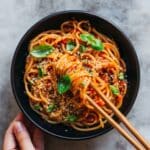
Spicy Coconut Gochujang Noodles Recipe
- Prep Time: 5 minutes
- Cook Time: 15 minutes
- Total Time: 20 minutes
- Yield: 4 servings
- Category: Soup & Noodles
- Method: Stovetop
- Cuisine: Korean-Asian Fusion
- Diet: Halal
Description
This Spicy Coconut Gochujang Noodles recipe is a flavorful and comforting dish featuring a rich coconut milk broth infused with Korean gochujang, garlic, ginger, and lemongrass. Perfect for a quick and satisfying meal, it combines tender noodles with wilted pak choi, fresh herbs, and a zesty lime finish, delivering a spicy, creamy, and aromatic experience in just 20 minutes.
Ingredients
Sauce and Broth
- 2 tablespoons gochujang paste
- 1 tablespoon soy sauce
- 2 teaspoons fish sauce (or vegan alternative/more soy sauce)
- 2 tablespoons chili oil (plus more to serve)
- 2 garlic cloves, crushed
- 1 tablespoon grated ginger (or 2 teaspoons ginger paste)
- 1 lemongrass stalk, crushed and chopped (or 1 tablespoon lemongrass paste)
- 1 (14 oz / 400 ml) can coconut milk
- 5 cups (1.2 liters) vegetable or chicken stock
Main Ingredients
- 200 g (7 oz) noodles of your choice (ramen, udon, rice noodles, etc.)
- 2 heads pak choi, sliced
Garnishes
- 4 scallions (spring onions), finely sliced
- Handful of cilantro (coriander) leaves
- 1 lime, cut into wedges
Instructions
- Build the base flavors: Heat a large saucepan over medium heat and add the gochujang paste, soy sauce, fish sauce, and chili oil. Stir continuously for 1–2 minutes to develop the base flavors and release the aromas.
- Add aromatics: Incorporate the crushed garlic and grated ginger into the saucepan, cooking for another minute until fragrant and well blended into the sauce.
- Create the broth: Pour in the coconut milk, add the chopped lemongrass, and the vegetable or chicken stock. Stir everything well and bring the mixture to a gentle simmer. Allow it to cook for about 5 minutes so the flavors meld beautifully.
- Cook the noodles: Add the noodles directly into the simmering broth. Cook for approximately 4 minutes or according to the package instructions until the noodles are tender but still offer a slight bite.
- Wilt the pak choi: Stir in the sliced pak choi and allow it to wilt gently in the hot broth for 1–2 minutes, ensuring it retains some crunch and freshness.
- Serve the noodles: Remove the saucepan from the heat. Divide the noodles and broth evenly into serving bowls.
- Garnish and finish: Top each bowl with finely sliced scallions and fresh cilantro leaves. Squeeze a wedge of lime over the top, drizzle with extra chili oil to taste, and serve immediately with additional lime wedges on the side.
Notes
- You can use any type of noodles you prefer, such as ramen, udon, or rice noodles; adjust cooking time accordingly.
- For a vegan version, substitute fish sauce with extra soy sauce or a vegan fish sauce alternative.
- Chili oil quantity can be adjusted depending on your spice tolerance.
- If fresh lemongrass is unavailable, lemongrass paste is a convenient substitute.
- Leftover soup can be stored in the refrigerator for up to 2 days; reheat gently on the stovetop.