
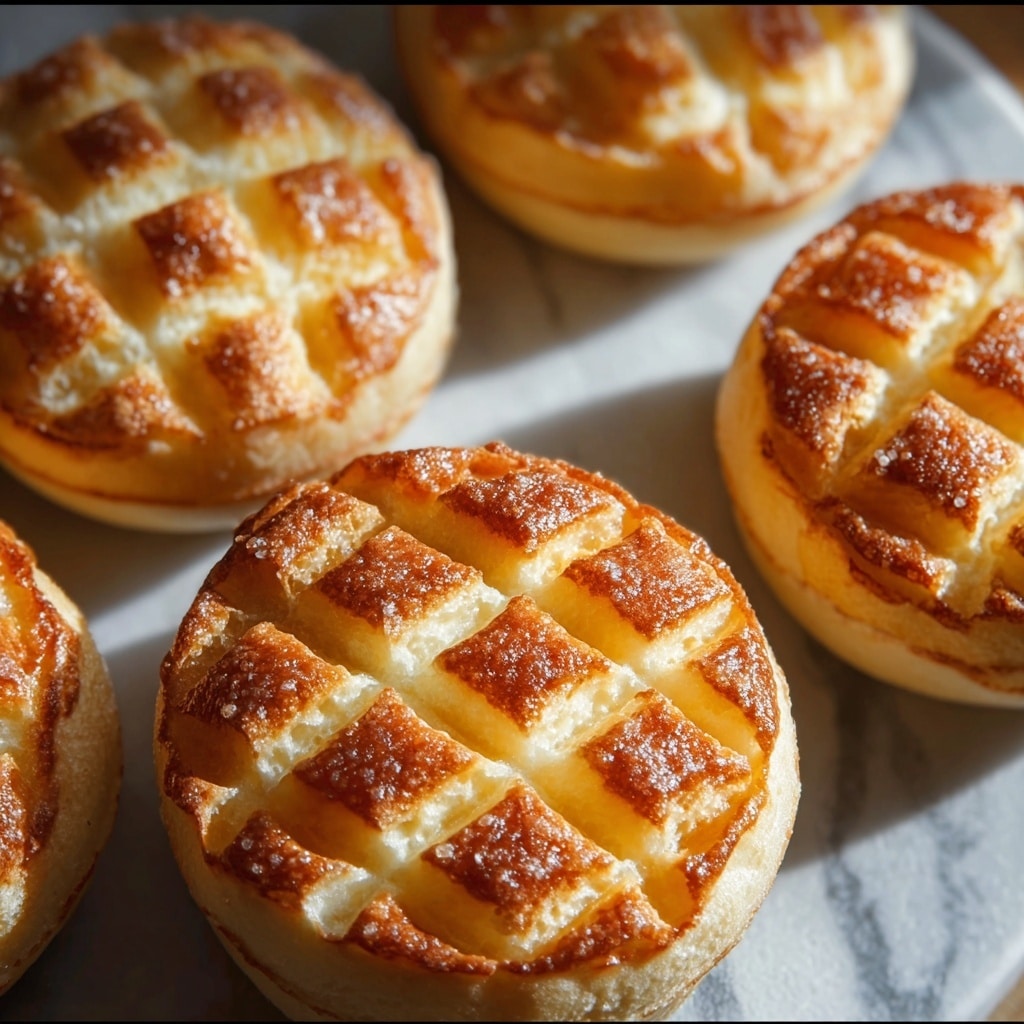
If you’ve ever wandered through a Japanese bakery and fallen head over heels for the sweet, soft, and perfectly crisp bread called melon pan, then you’re in for a treat with this Classic Japanese Melon Pan Recipe. Despite its name, this delightful bun doesn’t actually contain melon, but the characteristic sweet cookie crust that envelops the tender bread inside creates an irresistible texture contrast that’s both satisfying and comforting. This recipe captures that iconic crunch and fluffy interior beautifully, making it a perfect homemade indulgence that’s sure to brighten your day and impress anyone lucky enough to share it with you.

Ingredients You’ll Need
Getting started with the Classic Japanese Melon Pan Recipe requires just a handful of accessible ingredients, each playing a vital role in creating that delicate balance of soft bread and crisp, sweet topping. These basics work harmoniously to deliver the charming texture and inviting scent that melon pan is known for.
- Bread flour (2 cups): Provides the perfect protein content for a chewy, airy bread crumb.
- Sugar (2 tablespoons): Adds just the right touch of sweetness to the dough itself.
- Instant yeast (1 teaspoon): Ensures a reliable and consistent rise for light texture.
- Salt (1/2 teaspoon): Enhances flavor depth without overpowering sweetness.
- Warm milk (2/3 cup): Keeps the dough moist and tender with a mild richness.
- Unsalted butter, softened (2 tablespoons): Adds richness and a lovely mouthfeel to the dough.
- Egg (1): Binds ingredients and contributes to rise and color.
- All-purpose flour (1 cup): Forms the base of the cookie crust topping for that signature crunch.
- Sugar (1/3 cup for cookie dough): Sweetens the cookie layer to contrast the bread.
- Unsalted butter, softened (1/4 cup for cookie dough): Gives the cookie topping a tender, melt-in-your-mouth texture.
- Egg yolk (1): Helps bind and add color to the cookie dough.
- Baking powder (1/4 teaspoon): Lightens the cookie dough just enough for a delicate crispness.
- Vanilla extract (1/2 teaspoon): Infuses a subtle aromatic warmth to the crust.
- Granulated sugar (for coating): Creates that sparkling, crunchy exterior layer on the cookie crust.
How to Make Classic Japanese Melon Pan Recipe
Step 1: Prepare the Bread Dough
Begin by combining your bread flour, sugar, instant yeast, and salt in a mixing bowl. Add the warm milk and egg, then mix everything together until a rough dough forms. This is when the magic of bread making starts, as these simple ingredients come together to form a soft, elastic foundation. Knead in the softened butter, which enriches the dough, and continue kneading for 10 to 15 minutes until the dough becomes smooth and elastic. Cover the dough and let it rise in a warm spot until it doubles in size, about an hour. This rising time lets the yeast work its wonders, making your bread delightfully airy and tender.
Step 2: Make the Cookie Dough Topping
While your bread dough is rising, it’s time to whip up the cookie topping that makes melon pan so special. Cream together the softened butter and sugar until light and fluffy, then mix in the egg yolk and vanilla extract for a subtle scent and rich flavor. Sift in the flour and baking powder to keep the cookie dough tender yet crisp, mixing until it just forms a soft dough. Divide this cookie dough into eight equal balls and pop them in the refrigerator to chill. This chilling step is important to maintain the dough’s shape when it bakes atop the bread.
Step 3: Shape and Assemble Buns
Once the bread dough has doubled in size, punch it down gently to release the air. Divide it into eight portions, shaping each into smooth balls and letting them rest for 10 minutes to relax the gluten. Next, take each cookie dough ball and roll it out into a flat circle big enough to cover the top and sides of each bread ball. Place the cookie dough circle over the bread dough, wrapping it around the sides slightly for that classic melon pan look. Roll the entire assembly lightly in granulated sugar to create a sparkling crust. Using a knife, gently score a crisscross pattern on top – this not only gives it a melon-like appearance but also adds a charming visual detail.
Step 4: Final Rise and Bake
Lay your assembled buns on a lined baking sheet, cover them loosely, and let them rise again for about 30 to 40 minutes until puffed up and ready to bake. Bake in a preheated oven at 350°F (175°C) for 15 to 18 minutes. You’ll know they’re done when the cookie crust turns a light golden color and releases a sweet, buttery aroma. Let the buns cool slightly before diving in, as that brief pause helps the crust firm up just a bit more, so you get the perfect balance of crunchy outside and pillowy inside.
How to Serve Classic Japanese Melon Pan Recipe
Garnishes
Melon pan shines on its own, but you can add a little extra flair with simple garnishes. A light dusting of powdered sugar enhances the sweet, delicate vibe, while a thin drizzle of white chocolate can add a creamy twist. For a nostalgic touch, try slicing them in half and spreading a little butter or jam on the inside – it’s old-school and absolutely comforting.
Side Dishes
While melon pan is often enjoyed solo as a sweet snack, pairing it with a cup of green tea or a frothy matcha latte elevates the experience. For a more filling option, serve alongside fresh fruit or a light salad to balance the richness of the cookie crust. It’s a delightful contrast that makes your treat feel like a mini celebration anytime.
Creative Ways to Present
For something fun, slice a melon pan horizontally and fill it like a sandwich with whipped cream and fresh berries – it’s a playful dessert everyone will love. If you’re feeling adventurous, add a scoop of vanilla or matcha ice cream inside for a cool, creamy surprise. Present them on a pretty platter, sprinkled with extra sugar or edible flowers, and watch your guests’ faces light up with joy.
Make Ahead and Storage
Storing Leftovers
Since melon pan tastes best fresh, it’s ideal to enjoy them the day you bake them. However, if you have leftovers, store them in an airtight container at room temperature for up to two days. This helps maintain the soft bread inside while keeping the cookie crust from becoming too soggy. Avoid refrigerating, as it can dry out the buns.
Freezing
If you want to keep melon pan longer, freezing is a great option. Wrap each bun tightly in plastic wrap and then place in a freezer-safe bag or container. They will maintain their best quality for up to one month. When you’re ready, thaw them at room temperature.
Reheating
To refresh your melon pan, reheat in a 300°F (150°C) oven for about 5 to 8 minutes. This brings back the crispness of the cookie topping and warms the bread inside softly. Avoid microwaving as it tends to soften the crust, losing that iconic crunch that makes melon pan so special.
FAQs
Does classic melon pan really taste like melon?
Despite the name, Classic Japanese Melon Pan Recipe doesn’t usually contain melon flavor. The name comes from the sweet crisscross pattern on the cookie crust that resembles the surface of a melon, not its taste. However, you can experiment by adding melon essence or matcha for a unique twist.
Can I use all-purpose flour instead of bread flour?
While bread flour is preferred for its higher protein content which gives the dough a better structure and chew, you can substitute all-purpose flour in a pinch. The texture might be slightly softer, but your melon pan will still be delicious.
Why is the cookie dough chilled before assembling?
Chilling the cookie dough makes it easier to roll out and handle, and prevents it from melting too quickly when placed over the bread dough, ensuring that crisp, iconic crust remains intact during baking.
How do I get the signature crisscross pattern on top?
After covering each bread dough ball with the cookie dough and coating it with sugar, gently score the surface with a knife in a crisscross or grid pattern. Be careful not to cut all the way through, just enough to create the pattern and let the dough expand evenly.
Is melon pan suitable for vegetarians?
Yes! The Classic Japanese Melon Pan Recipe is vegetarian-friendly since it contains no meat or animal-derived gelatin. It uses butter and eggs, so it’s not vegan, but perfect for a vegetarian treat.
Final Thoughts
There’s something truly magical about making the Classic Japanese Melon Pan Recipe at home. It brings together simple ingredients into a beautiful, comforting bun that’s both crispy and soft – a little piece of Japanese bakery magic right in your kitchen. Once you try this recipe, you’ll understand why melon pan warms hearts worldwide. So don your apron, dive into the dough and cookie crust, and enjoy the sweet, crunchy joy that only melon pan can deliver!
Print
Classic Japanese Melon Pan Recipe
- Prep Time: 25 minutes
- Cook Time: 18 minutes
- Total Time: 2 hours 15 minutes
- Yield: 8 buns
- Category: Dessert
- Method: Baking
- Cuisine: Japanese
- Diet: Vegetarian
Description
Classic Japanese Melon Pan is a sweet bread featuring a soft, fluffy interior covered with a thin, crisp cookie dough crust. Despite its name, it typically lacks melon flavor, but offers a delightful texture contrast and subtle vanilla notes in the cookie topping. Perfect as a dessert or snack, this recipe yields 8 adorable buns that are best enjoyed fresh from the oven.
Ingredients
Bread Dough
- 2 cups bread flour
- 2 tablespoons sugar
- 1 teaspoon instant yeast
- 1/2 teaspoon salt
- 2/3 cup warm milk
- 2 tablespoons unsalted butter, softened
- 1 egg
Cookie Dough Topping
- 1 cup all-purpose flour
- 1/3 cup sugar
- 1/4 cup unsalted butter, softened
- 1 egg yolk
- 1/4 teaspoon baking powder
- 1/2 teaspoon vanilla extract
Additional
- Granulated sugar for coating
Instructions
- Prepare bread dough: In a mixing bowl, combine bread flour, sugar, instant yeast, and salt. Add warm milk and egg, mixing until a rough dough forms.
- Knead bread dough: Knead in softened butter and continue kneading for 10 to 15 minutes until dough is smooth and elastic.
- First rise: Cover the dough and let it rise in a warm place for 1 hour, or until doubled in size.
- Make cookie dough: Meanwhile, cream together softened butter and sugar. Mix in the egg yolk and vanilla extract.
- Complete cookie dough: Sift flour and baking powder into the butter mixture; mix until forming a soft dough.
- Divide cookie dough: Portion cookie dough into 8 equal balls and refrigerate.
- Shape bread dough: Once bread dough has risen, punch it down and divide into 8 equal portions; shape each into a ball and let rest for 10 minutes.
- Assemble buns: Roll each cookie dough ball into a flat circle, cover the top and sides of each bread dough ball with it.
- Add sugar coating and score: Roll each assembled bun lightly in granulated sugar, then gently score a crisscross pattern on top with a knife.
- Second rise: Place buns on a lined baking sheet, cover, and let rise for 30 to 40 minutes.
- Bake: Bake in a preheated oven at 350°F (175°C) for 15 to 18 minutes, or until lightly golden.
- Cool and serve: Allow buns to cool slightly before serving for best texture and flavor.
Notes
- Melon pan traditionally does not have melon flavor; add melon extract or matcha powder to cookie dough for a variation.
- Best enjoyed fresh on the day of baking but can be reheated slightly to refresh texture.